
The Philippines is facing significant biosafety challenges, particularly within its growing healthcare and research sectors. As demand for sustainable laboratory practices increases, researchers and medical professionals are looking for innovative solutions to improve sterilization workflows while minimizing environmental impact. One such innovation is the use of portable micro incinerators, especially the Infrared Inoculating Loop Sterilizer, which offers a safe, efficient, and environmentally friendly alternative to traditional flame sterilizers.
Understanding the Technical Principles of Micro Incinerators
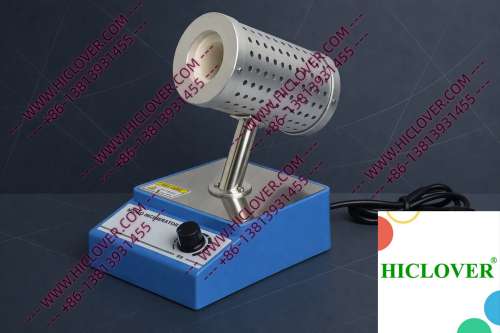
The working mechanism of a micro incinerator relies on the principles of infrared heat. Unlike conventional flame-based sterilization methods, which can introduce contaminants and prove hazardous in clean room environments, micro incinerators employ an enclosed ceramic heating chamber. This design allows for rapid thermal sterilization of inoculating loops, needles, and other small laboratory instruments by providing a high-temperature disinfection without the risks of open flames.
Built with precision, micro incinerators heat up quickly, providing a reliable source of high temperature for various sterilization needs. The infrared technology used creates a focused heat source that can sterilize instruments efficiently, ensuring contamination control while improving the safety of laboratory operations.
Application Scenarios in Real Labs
Micro incinerators find their utility across different laboratory settings, contributing significantly to best practices in biosafety and sterilization. Here are two compelling application scenarios:
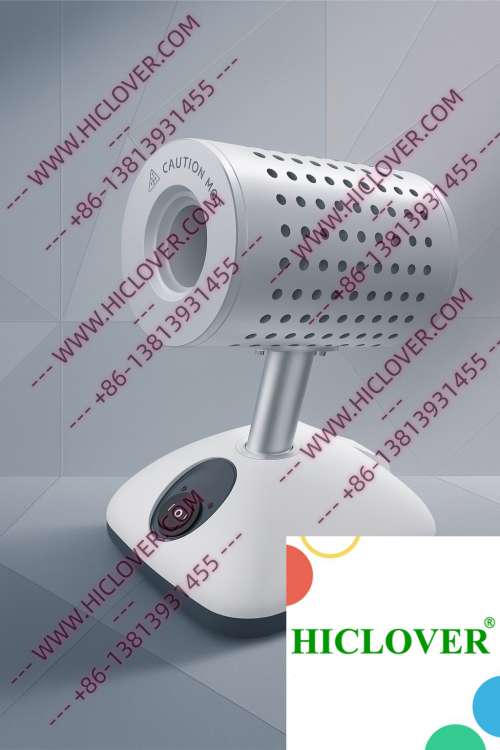
- Biosafety Cabinet Use: In a BSL-2 laboratory, the control of aerosolization during sterilization is critical. Micro incinerators enhance this control by providing flame-free sterilization within biosafety cabinets, eliminating the risk of airborne contaminants that could compromise sensitive research.
- Teaching Labs: University teaching laboratories increasingly utilize micro incinerators as educational tools for students learning about sterilization techniques. These devices allow students to safely practice inoculation and sterilization methods without the dangers posed by traditional flame sterilizers, making the learning process safer and more efficient.
Compliance and Environmental Responsibility
Compliance with international biosafety standards is essential for laboratories worldwide, and the Philippines is no exception. The World Health Organization (WHO) emphasizes the need for controlled laboratory environments that mitigate risks of contamination. Utilizing micro incinerators not only aligns with WHO biosafety standards but also adheres to local regulations regarding laboratory waste management.
Micro incinerators help laboratories achieve the goal of minimal environmental impact without compromising safety or sterilization efficacy. Their flame-free operation eliminates the use of alcohol lamps or Bunsen burners, which can release harmful emissions into the atmosphere, especially in urban areas like Manila where air quality remains a concern.
Comparative Advantages Over Traditional Flame Sterilizers
| Features | Micro Incinerator | Flame Burners |
|---|---|---|
| Heat Source | Infrared | Flame |
| Contamination Risk | Low | High |
| Environmental Impact | Minimal | Significant |
| Suitability for Clean Rooms | Yes | No |
| Ease of Use | User-friendly | Requires technique |
Frequently Asked Questions
- What is a micro incinerator, and how does it work?
A micro incinerator uses infrared heat to sterilize small laboratory instruments rapidly, providing a clean and safe alternative to flame sterilizers. - Are micro incinerators safe for use in clean rooms?
Yes, micro incinerators are designed for clean environments and eliminate the risks associated with open flames, making them ideal for sensitive laboratory settings. - How is the micro incinerator beneficial in BSL-2 labs?
It enhances sterilization efficacy while minimizing aerosolization and environmental contamination, ensuring compliance with biosafety regulations. - Can micro incinerators be used in field testing?
Absolutely! Their portability and efficient operation make them suitable for field testing in remote locations where reliable sterilization is needed. - What types of instruments can be sterilized with a micro incinerator?
Common items include inoculation loops, needles, and other small laboratory tools, providing comprehensive sterilization capabilities.
Conclusion
In conclusion, portable micro incinerators like the Infrared Inoculating Loop Sterilizer represent a significant step forward in the quest for sustainable and safe laboratory practices. As the Philippines continues to grow its healthcare and research sectors, adopting such technologies can enhance biosafety protocols while promoting ecological responsibility. If you’re interested in elevating sterilization efficiency in your laboratory or institution, contact us today to explore our range of high-quality micro incinerators tailored for your needs.
Categories:
Tags: