
In today’s laboratories, ensuring biosafety and effective sterilization is more crucial than ever. Traditional sterilization methods such as alcohol lamps and Bunsen burners may pose significant risks, including environmental pollution and the potential for fire hazards. With an emphasis on rapid thermal sterilization and contamination control, continuous heat micro incinerators have emerged as a groundbreaking solution, particularly for laboratory sterilization equipment.
Understanding Continuous Heat Micro Incinerators
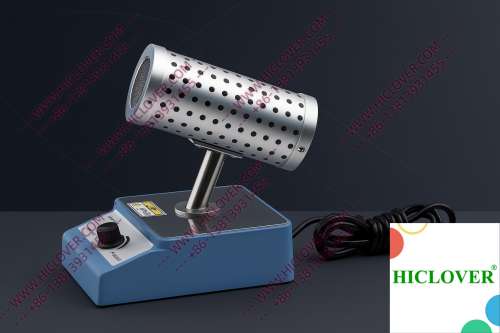
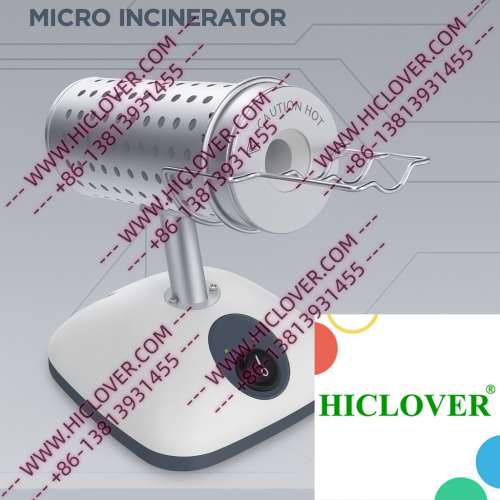
The Micro Incinerator / Infrared Inoculating Loop Sterilizer is a specialized device designed to facilitate efficient sterilization of inoculating loops and other laboratory tools. Utilizing advanced infrared heating technology, it achieves the right temperatures for sterilization without the need for an open flame.
Key features of the micro incinerator include:
- Enclosed Ceramic Tube: This design ensures heat is contained and directed precisely, providing optimal and controlled sterilization conditions.
- Rapid Thermal Response: The infrared technology ensures immediate heating, reducing wait times compared to traditional methods.
- Aerosol-Free Handling: As it eliminates the open flames, risks of aerosolized pathogens are significantly minimized.
- Compact and Portable: Ideal for various lab settings, including field testing laboratories.
Applications of Micro Incinerators in Laboratories
Micro incinerators are versatile and can be utilized across various laboratory environments. Here are two distinct application scenarios:
1. University Teaching Labs
In university settings, teaching labs must adhere to stringent biosafety regulations while providing hands-on experience for students. The micro incinerator integrates seamlessly within biosafety cabinets, enabling safe sterilization of instruments such as inoculating loops and needles. With its rapid thermal sterilization capability, students can perform multiple inoculations without lengthy delays while maintaining a clean and safe working environment.
2. Clinical Diagnostics Laboratories
In clinical diagnostics, where accuracy and contamination control are paramount, micro incinerators provide a reliable solution. Utilizing this equipment within biological safety cabinets ensures that pathogens do not escape during sterilization processes. Furthermore, the device’s non-flame protocol aligns with WHO biosafety standards, making it suitable for BSL-2 and BSL-3 microbiology laboratories.
Compliance and Environmental Considerations
Compliance with biosafety standards is critical in laboratory settings. The World Health Organization (WHO) provides guidelines that emphasize the necessity of sterilization and disinfecting protocols to prevent laboratory-acquired infections. Furthermore, traditional flame sterilizers, while effective, can introduce risks in clean room environments due to potential fire hazards and contamination from combustion byproducts.
Comparison Table: Micro Incinerator vs. Flame Burners
| Feature | Micro Incinerator | Flame Burner |
|---|---|---|
| Heating Method | Infrared / Ceramic | Open Flame |
| Sterilization Time | Immediate | Variable |
| Risk of Contamination | Minimal | High |
| Compliance with Clean Room Standards | Yes | No |
| Portability | High | Low |
FAQs About Micro Incinerators
1. What is the primary function of a micro incinerator?
A micro incinerator primarily serves to sterilize laboratory tools such as inoculating loops quickly and effectively using infrared heating technology, eliminating the need for open flames.
2. Are micro incinerators safe for use in clean rooms?
Yes, micro incinerators are designed to comply with clean room standards, allowing for safe sterilization without the risks associated with traditional flame sterilizers.
3. How long does it take to sterilize an inoculating loop?
Micro incinerators enable immediate sterilization, significantly reducing wait times compared to traditional methods.
4. Can micro incinerators be used in field-testing labs?
Absolutely! Their portable design and efficient sterilization capabilities make them ideal for use in mobile or field-testing laboratories.
5. How does the cost of a micro incinerator compare to traditional flame sterilizers?
While the initial cost of a micro incinerator may be higher, its long-term benefits, including reduced contamination risks, less environmental impact, and compliance with biosafety regulations, offer substantial savings and value.
Conclusion
As laboratories continue to evolve towards more sustainable and safe practices, the adoption of micro incinerators represents a significant advancement in sterilization technology. By integrating this innovative equipment, labs can enhance their workflow efficiency while ensuring compliance with biosafety standards. For those involved in laboratory supply businesses, hospitals, or educational institutions, investing in a micro incinerator could be a game-changer. Explore our range today and transform your laboratory practices.
Categories:
Tags: