
In today’s rapidly advancing laboratories, there is an ever-growing need for efficient biosafety measures and sterilization protocols. Traditional methods, relying on flame sterilization with alcohol lamps or Bunsen burners, can no longer fully meet the rigorous demands of modern microbiological work. With these challenges in mind, the introduction of micro incinerators, particularly Micro Incinerator / Infrared Inoculating Loop Sterilizers, offers a revolutionary change in laboratory sterilization practices.
Understanding Micro Incinerators
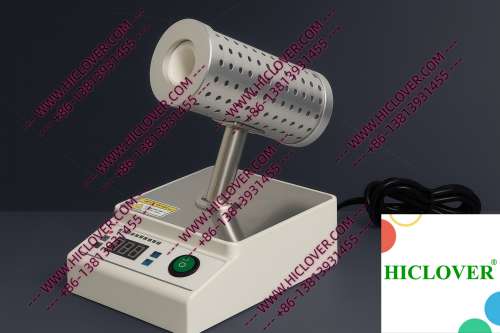
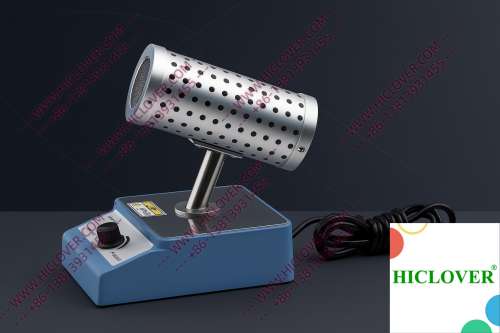
Micro incinerators utilize infrared heat within an enclosed ceramic tube that allows for rapid thermal sterilization. This innovative design leads to high-temperature disinfection, ensuring that contamination is meticulously controlled. Unlike traditional flame sterilizers, which can produce aerosols and are not confined, these modern devices promote a clean-bench-safe environment suitable for various laboratory conditions.
Advantages Over Traditional Flame Sterilizers
- Rapid heating and cooling cycles reduce wait times
- No open flame, minimizing fire hazards
- Aerosol-free handling ensures worker safety
- Compact design allows for easy integration in BSL-2 and BSL-3 labs
- Environmentally friendly with low energy consumption
Applications in Real Laboratories
1. Biosafety Cabinets
In a BSL-2 laboratory, where research involves moderate-risk pathogens, using a micro incinerator can streamline the sterilization workflow. After use, inoculating loops can be quickly sanitized using infrared heat, minimizing cross-contamination risk. This rapid thermal sterilization process is particularly beneficial when working under a biosafety cabinet, where maintaining aseptic conditions is critical.
2. University Teaching Labs
University teaching laboratories frequently deal with multiple students manipulating biological samples. Utilizing a Micro Incinerator allows for immediate sterilization of inoculating loops between uses, thereby promoting safe laboratory practices. The infrared sterilizer’s compact nature also means it can easily fit within the limited counter spaces often found in these educational settings.
Compliance Standards and Environmental Considerations
Compliance with biosafety guidelines is paramount for laboratory operations. The World Health Organization (WHO) and various local health authorities set stringent standards for sterilization processes. For instance, using flame-based sterilizers within clean rooms is often prohibited due to the potential for contamination and fire risk. In contrast, micro incinerators meet these requirements, providing effective sterilization without the associated hazards.
Moreover, the eco-friendly design of micro incinerators significantly contributes to reducing the carbon footprint of laboratory practices. Their efficient energy use not only aligns with sustainability initiatives but also helps institutions reduce operational costs.
Comparative Analysis: Micro Incinerator vs. Traditional Flame Sterilizers
| Feature | Micro Incinerator | Traditional Flame Sterilizer |
|---|---|---|
| Heating Method | Infrared | Open flame |
| Safety | No open flame, aerosol-free | Fire hazard, aerosol risk |
| Speed | Rapid heating & cooling | Variable heating times |
| Portability | Compact and lightweight | Needs stable setup |
| Energy Efficiency | Low energy consumption | Higher energy usage |
Frequently Asked Questions (FAQs)
1. What is a micro incinerator used for in laboratories?
A micro incinerator is primarily used for rapid sterilization of inoculating loops and other small laboratory instruments, ensuring effective contamination control.
2. How does infrared sterilization work?
Infrared sterilization works by using high temperatures generated within an enclosed ceramic tube, allowing instruments to be rapidly heated and cooled without open flames.
3. Are micro incinerators safe to use in biosafety cabinets?
Yes, micro incinerators are designed to be clean-bench-safe, making them ideal for use in biosafety cabinets where contamination risk must be minimized.
4. What are the benefits of using a micro incinerator over traditional flame sterilizers?
Benefits include increased safety, reduced contamination risk, faster sterilization cycles, and a more environmentally friendly design.
5. Where can I purchase a micro incinerator for my laboratory?
Micro incinerators can be purchased through laboratory supply distributors, hospital procurement departments, or directly from manufacturers specializing in sterilization equipment.
Conclusion
The transition towards micro incinerators and infrared inoculating loop sterilizers represents a significant step forward in laboratory sterilization practices. Not only do they enhance safety and efficiency, but they also align with the growing need for eco-friendly laboratory solutions. For laboratories looking to revolutionize their sterilization workflows, investing in a micro incinerator is a wise decision. Reach out today to explore how this cutting-edge technology can enhance your laboratory practices.
Categories:
Tags: