
In recent years, biosafety challenges in laboratories have necessitated a rethinking of sterilization workflows. Traditional methods, while effective, often bring significant concerns regarding safety, environmental impact, and ease of use. The emergence of innovative solutions, such as the Micro Incinerator, is steering Morocco towards a greener future, especially for the sterilization of laboratory equipment.
The Advantages of Micro Incinerators
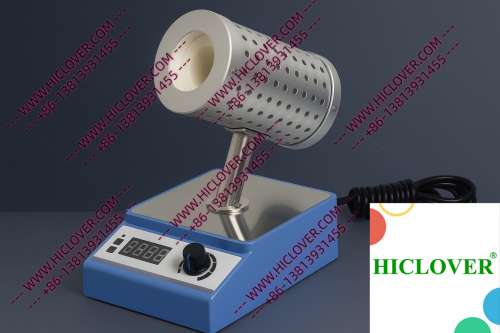
Micro Incinerators, particularly the Infrared Inoculating Loop Sterilizer, offer several advantages over traditional flame-based sterilizers like alcohol lamps and Bunsen burners. These advantages include:
- Rapid Thermal Sterilization: Infrared heat ensures quick and effective sterilization without the need for a flame.
- Contamination Control: Enclosed ceramic tubes minimize environmental contaminants and prevent aerosol generation.
- Clean-Bench-Safe Operation: The absence of a flame allows these devices to be used safely in clean rooms and biosafety cabinets.
- Environmental Impact: Lower emissions and energy-efficient design contribute to a reduced carbon footprint.
- WHO’s biosafety recommendations for handling microbial cultures.
- Standards for sterilization equipment that minimize aerosol generation and enhance biosafety.
- Facility requirements that necessitate no open flames in clean rooms.
- What types of materials can be sterilized using a Micro Incinerator?
Micro Incinerators are ideal for sterilizing glass and metal inoculation loops, needles, and other reusable labware. - How does a Micro Incinerator enhance laboratory safety?
By eliminating open flames, Micro Incinerators significantly minimize the risks of fire and accidental burns in laboratory settings. - Can Micro Incinerators be used in field testing environments?
Yes, their portability makes them suitable for mobile lab applications, including field tests in varying environments. - How does the sterilization speed of Micro Incinerators compare to traditional methods?
Micro Incinerators provide rapid thermal sterilization, typically completing disinfection in seconds, while traditional methods may take longer. - What is the recommended maintenance for a Micro Incinerator?
Regular cleaning of the ceramic heating chamber and ensuring proper electrical maintenance will ensure optimal performance.
Technical Principles of Micro Incinerators
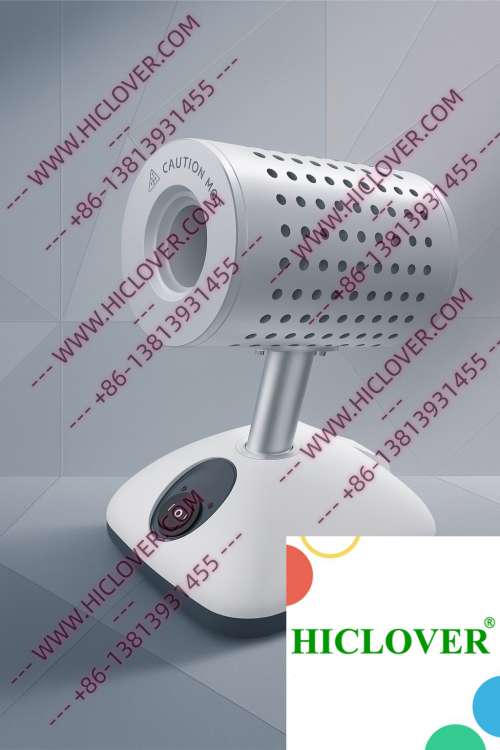
The technical foundation of the Micro Incinerator lies in its infrared heating capabilities. Unlike traditional sterilizers that rely on open flames for heat generation, the Micro Incinerator employs a ceramic heating chamber that radiates infrared energy, leading to instantaneous and thorough sterilization of inoculating loops, needles, and other equipment. This approach not only reduces the risk of fires and accidents but also ensures consistent sterilization across various laboratory conditions.
Real-World Applications in Laboratories
The application of Micro Incinerators is vast and varies depending on laboratory settings. Below are two notable scenarios where Micro Incinerators have proven invaluable:
1. University Teaching Labs
In university settings, teaching labs often need sterile environments to conduct experiments safely. Micro Incinerators provide a reliable solution for students learning aseptic techniques, allowing them to practice without the hazards of open flames. This equipment’s design complements the educational experience by promoting safety and efficiency.
2. BSL-2 Microbiology Labs
In BSL-2 labs, where work is performed with moderate-risk pathogens, the need for stringent sterilization processes is paramount. The Micro Incinerator’s enclosed design enhances containment while providing a robust sterilization method for inoculating loops. Its rapid action facilitates workflow efficiency, allowing researchers to focus more on experimentation rather than cleansing procedures.
Compliance with Bio-Safety Standards
Globally, laboratory sterilization practices are closely governed by compliance standards set forth by organizations like the World Health Organization (WHO). Through their emphasis on biosafety, these guidelines ensure that laboratories employ safe and effective sterilization techniques. The Micro Incinerator complies with:
Comparison of Micro Incinerators and Traditional Flame Burners
| Feature | Micro Incinerator | Flame Burners |
|---|---|---|
| Safety | Clean-bench-safe, no flames | Open flame, risk of fires |
| Environmental Impact | Lower emissions, energy-efficient | Higher emissions, may require more fuel |
| Heat Generation | Infrared technology | Combustion of fuel |
| Efficiency | Rapid thermal sterilization | Variable, dependent on flame size |
FAQs about Micro Incinerators
Conclusion
As Morocco embarks on a greener path towards laboratory sustainability, the Micro Incinerator stands out as a pivotal tool in enhancing both biosafety and sterilization practices. With its plethora of advantages over traditional flame sterilizers, it’s a clear choice for modern laboratories, educational institutes, and research centers. For those interested in adopting revolutionary solutions for sterilization practices, consider investing in this eco-friendly technology. Contact us today to learn more and take the first step towards cleaner, safer lab environments.
Categories:
Tags: