
Laboratories face numerous biosafety challenges when it comes to the effective sterilization of biological waste. The imperative to maintain safety and hygiene is paramount, yet the complexities of effective and efficient laboratory workflow can create significant hurdles. The introduction of Micro Incinerators, specifically the Infrared Inoculating Loop Sterilizer, has revolutionized the sterilization techniques in various laboratory settings. This innovative technology not only enhances sterilization efficacy but also adheres to environmental and regulatory compliance standards.
Challenges in Laboratory Sterilization Workflows
In laboratory environments, especially those operating under Biosafety Level 2 (BSL-2) or BSL-3 conditions, contamination control is crucial. Traditional sterilization methods, such as alcohol lamps and Bunsen burners, pose a range of safety risks including exposure to open flames, which can lead to accidental fires or burns. Additionally, these methods can produce aerosols that compromise air quality and lead to unsafe environments, particularly in biosafety cabinets and clean rooms.
Technical Principles of Micro Incinerators
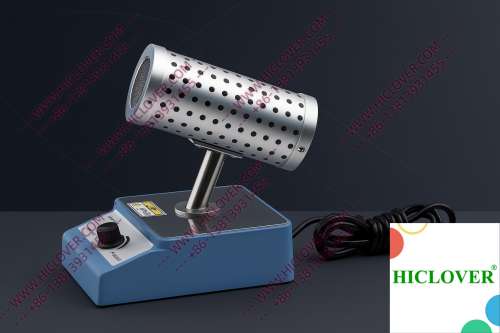
The Micro Incinerator, or Infrared Inoculating Loop Sterilizer, employs advanced infrared heating technology that provides rapid thermal sterilization. Its enclosed ceramic tube generates high temperatures quickly, enabling effective sterilization of inoculating loops and other small laboratory tools in seconds. This technology minimizes contamination risks associated with aerosol production and maintains a cleaner lab environment.
Key Features of the Micro Incinerator
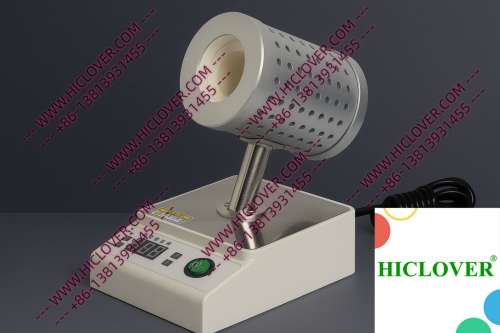
- Rapid Thermal Sterilization: Heats up in seconds, ensuring minimal downtime during lab procedures.
- Enclosed Ceramic Heating Chamber: Prevents exposure to open flames while achieving high-temperature disinfection.
- Clean-Bench-Safe Operation: Ideal for use in biosafety cabinets and sterile environments.
- Aerosol-Free Handling: Reduces the risk of airborne contaminants and ensures worker safety.
- Energy Efficient: Consumes less energy compared to traditional flame sterilizers.
Application Scenarios in Real Labs
Scenario 1: University Teaching Labs
In university teaching labs, where students frequently handle microbial cultures, the need for safe and efficient sterilization tools is prominent. The Micro Incinerator fits perfectly in this setting, offering students a safe method to sterilize loops without the risks associated with open flames. Instructors can emphasize best practices in sterilization while ensuring a clean workspace, thus fostering an educational environment that adheres to safety protocols.
Scenario 2: Mobile Field Testing Labs
Field testing laboratories often encounter unique challenges. In remote locations, the availability of electrical power and fire safety measures can be limited. The portability and compact design of the Micro Incinerator make it an ideal choice for mobile labs where quick and effective sterilization is essential. Researchers can operate under challenging conditions knowing they have a reliable and eco-friendly solution for sterilizing equipment on-site.
Compliance and Environmental Considerations
Compliance with international biosafety standards is vital for laboratories handling biological materials. Organizations such as the World Health Organization (WHO) have established guidelines for laboratory safety that underscore the need for efficient sterilization practices. Furthermore, using Micro Incinerators in clean rooms eliminates the fire hazards associated with traditional flame sterilizers, positioning labs to meet stringent laboratory sterilization standards.
Micro Incinerators provide innovative solutions for laboratories that need to comply with environmental regulations without compromising safety or efficiency.
Comparison: Micro Incinerator vs. Traditional Flame Burners
| Feature | Micro Incinerator | Traditional Flame Burners |
|---|---|---|
| Heating Method | Infrared | Open Flame |
| Safety | Low Risk | High Risk of Fire |
| Aerosol Production | No | Yes |
| Energy Efficiency | High | Moderate |
| Optimal Use Environment | Clean Rooms/Biosafety Cabinets | Standard Lab Environments |
FAQs
- What is a Micro Incinerator?
A Micro Incinerator is a sterilization device that uses infrared heat to swiftly sterilize laboratory tools and equipment, minimizing contamination risks.
- How does a Micro Incinerator work?
It works by heating an enclosed ceramic tube using infrared technology, achieving sterilization in a matter of seconds without producing aerosols.
- Where can Micro Incinerators be used?
They are suitable for use in BSL-2 and BSL-3 labs, university teaching labs, mobile field testing labs, and clean rooms.
- What are the advantages over flame sterilizers?
Micro Incinerators have reduced safety risks, no aerosol production, and greater energy efficiency compared to traditional flame sterilizers.
- Are Micro Incinerators compliant with safety standards?
Yes, they align with WHO biosafety and laboratory sterilization standards, making them an eco-friendly option for modern laboratories.
Conclusion
As laboratories continually adapt to increasing regulatory demands and safety protocols, Micro Incinerators are emerging as a vital solution for effective biological waste disposal and sterilization. The combination of rapid thermal sterilization, safety, and environmental sensitivity makes them an invaluable addition to any laboratory setting. To learn more about how you can procure the Micro Incinerator for your laboratory needs, please contact us today!
Categories:
Tags: