
As laboratories strive for higher standards in biosafety and contamination control, a critical aspect involves effective sterilization practices. Traditional methods, such as using alcohol lamps or Bunsen burners, pose numerous challenges, including incomplete sterilization and potential contamination risks. This need for improved sterilization processes has led to the increasing adoption of eco-friendly solutions, particularly the Micro Incinerator or Infrared Inoculating Loop Sterilizer, a game changer in maintaining sterile environments while adhering to stringent biosafety regulations.
Understanding Micro Incinerators
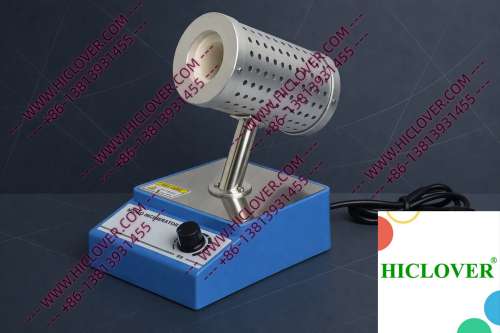
A Micro Incinerator harnesses the principle of infrared heat for rapid thermal sterilization. Inside its enclosed ceramic heating chamber, temperatures can reach up to 800°C, effectively ensuring the destruction of microbial life. The design allows for quick cycle times and consistent sterilization, eliminating the risks associated with traditional flame-based methods, such as aerosol generation and improper sterilization of the inoculating loop.
Configuration and Features of Micro Incinerators
Micro Incinerators typically feature a compact design, allowing for easy integration into various laboratory settings, including:
- Laboratory Biosafety Cabinets
- Field Testing Environments
- Teaching Labs in Universities
- What are the main advantages of using a Micro Incinerator for sterilization?
Micro Incinerators provide rapid thermal sterilization, eliminate fire hazards, are eco-friendly, and ensure complete microbial destruction without the risks associated with open flames. - Can Micro Incinerators be used in BSL-3 labs?
Yes, Micro Incinerators are designed to meet stringent biosafety requirements, making them suitable for BSL-3 environments where optimal sterilization and safety are critical. - Are Micro Incinerators safe for field testing?
Absolutely! Their compact design and lack of open flame makes them ideal for portable sterilization in field settings. - How do Micro Incinerators ensure compliance with laboratory standards?
Micro Incinerators are compliant with WHO biosafety standards, as they minimize contamination risks and provide consistent sterilization results. - What is the expected lifespan of a Micro Incinerator?
Micro Incinerators are built for durability and typically have a long lifespan with proper use and maintenance, making them a worthwhile investment for laboratories.
Their construction includes a robust ceramic tube that protects the operator while providing efficient sterilization. Unlike flame devices that require ongoing maintenance and supervision, Micro Incinerators offer a clean, easy-to-use approach that enhances laboratory workflow. The infrared technology ensures that there are no open flames, significantly reducing the risk of fire hazards in sensitive environments.
Application Scenarios in Real Laboratories
Micro Incinerators are not just theoretical innovations; they have found firm footing in practical applications across various laboratory environments.
1. Biosafety Cabinets
In BSL-2 and BSL-3 microbiology labs, maintaining a sterile environment is paramount. Micro Incinerators can be seamlessly integrated into biosafety cabinets, enabling researchers to sterilize loops without leaving the cabinet or risking contamination. The closed infrared system ensures sterilizing heat is effectively localized, creating safe working conditions and compliant with WHO biosafety guidelines.
2. Field Testing
For field testing laboratories, portability and versatility are essential. Micro Incinerators are lightweight and easily transportable, allowing researchers to conduct sterilization in various outdoor settings without the need for power-heavy devices. This flexibility is vital for researchers working with pathogens in remote locations, where safety and contamination control must remain uncompromised.
Compliance and Environmental Considerations
Micro Incinerators not only support effective sterilization but also align with essential lab sterilization standards. Compliance with adequate biosafety measures mandated by WHO and other regulatory agencies ensures that laboratories meet operational standards. Traditional flame sterilizers, while effective, are discouraged in clean rooms due to potential contamination from aerosols. The Micro Incinerator, in contrast, excels in clean-bench-safe settings, offering a solution that respects stringent sterilization requirements without compromising the environment.
Comparison: Micro Incinerators vs. Traditional Flame Sterilizers
| Feature | Micro Incinerator | Flame Sterilizers |
|---|---|---|
| Sterilization Method | Infrared Heat | Open Flame |
| Portability | Highly Portable | Less Portable |
| Safety | Low Risk of Fire | High Risk of Fire |
| Cycle Time | Rapid Thermal Sterilization | Variable Time |
| Environmental Impact | Eco-Friendly | Less Eco-Friendly |
Frequently Asked Questions (FAQs)
Conclusion
As laboratories adapt to new challenges in biosafety and sterilization efficiency, Micro Incinerators represent a significant advancement in achieving eco-friendly solutions. By embracing this innovative equipment, laboratories not only meet compliance requirements but also foster a cleaner, safer working environment. For those looking to enhance their sterilization workflows with cutting-edge technology, exploring our range of Micro Incinerators will certainly satisfy your needs. Contact us today for more information or to make a purchase.
Categories:
Tags: