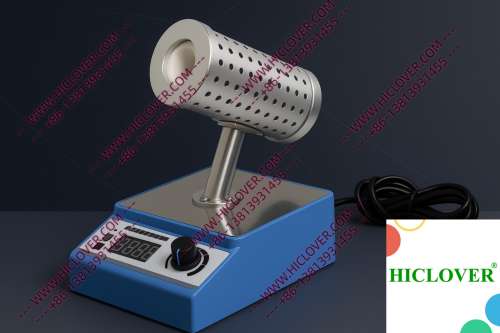
In today’s laboratory settings, biosafety challenges frequently arise, particularly when it comes to sterilization workflows. The risk of contamination in life sciences research or clinical diagnostics makes reliable sterilization equipment critical. Specifically, the need for effective laboratory sterilization equipment is emphasized during procedures where pathogens or other biohazardous materials are handled. Here, the Micro Incinerator, also known as the Infrared Inoculating Loop Sterilizer, stands out as a game-changer.
Technical Principles Behind the Micro Incinerator
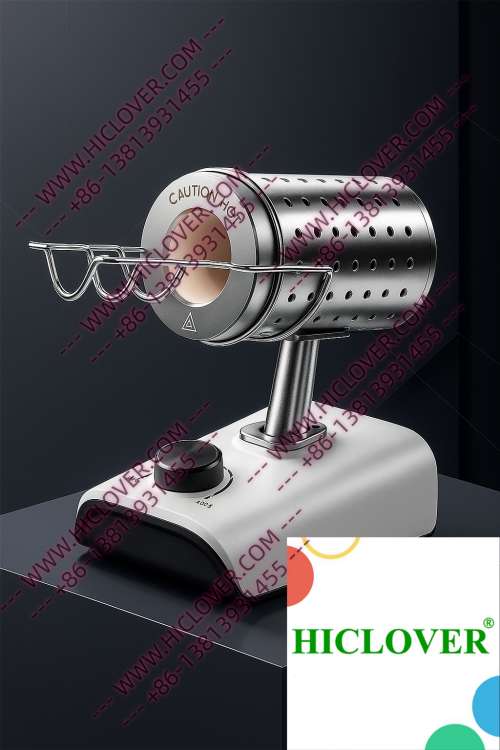
The Micro Incinerator operates on the principle of rapid thermal sterilization, utilizing infrared heat technology. Within an enclosed ceramic tube, the device generates high temperatures that effectively disinfect inoculation loops and other laboratory instruments, ensuring contamination control without creating aerosols or open flames. In contrast to traditional flame sterilizers, this innovative technology significantly reduces the risks associated with combustible gases and chemical sterilization agents.
Key Features of the Micro Incinerator
- Rapid Heating: Infrared technology allows for quick temperature rise, reducing downtime.
- Clean-Bench-Safe: No open flames mean safer operation in cleanroom environments.
- Aerosol-Free Handling: Enhances biosafety in laboratory settings.
- Compact Design: Space-saving and user-friendly for various lab layouts.
- Ceramic Heating Chamber: Offers durability and uniform heat distribution.
Application Scenarios in Real Labs
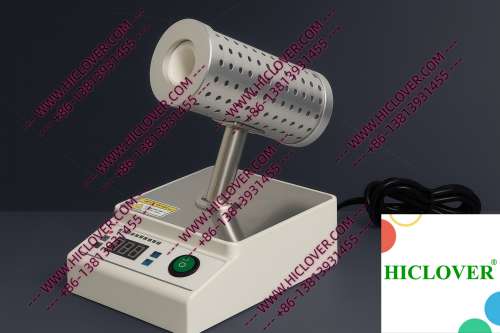
The Micro Incinerator caters to various lab environments, providing tailored solutions for specific needs. Here are two real-world scenarios showcasing its application:
Biosafety Cabinet Usage
In BSL-2 and BSL-3 microbiology labs, maintaining strict biosafety protocols is paramount. The Micro Incinerator can be conveniently placed inside a biosafety cabinet, allowing researchers to sterilize their instruments while reducing the risk of contamination. This setup ensures that pathogens are neutralized before any laboratory tools come into contact with samples, enhancing overall laboratory safety.
Field Testing Laboratories
Mobile and field-testing labs often face challenges with sterilization due to the lack of access to traditional sterilization methods. The lightweight and portable Micro Incinerator provides researchers the flexibility to conduct fieldwork while ensuring effective sterilization on-site. This portability is critical for projects that require immediate results without compromising on safety protocols.
Compliance and Environmental Considerations
Adhering to international biosafety standards is essential for laboratory operations. The World Health Organization (WHO) sets forth numerous biosafety guidelines that emphasize the importance of using safe and effective sterilization methods. In particular, micro incinerators meet stringent lab sterilization standards, making them ideal for compliance with regulations governing BSL-2 and BSL-3 environments.
Moreover, utilizing an infrared inoculating loop sterilizer eliminates the need for flame sterilizers like alcohol lamps and Bunsen burners, which can introduce risks, especially in clean rooms. This transition contributes to a safer and more eco-friendly laboratory setting.
Comparison of Micro Incinerators vs. Flame Burners
| Feature | Micro Incinerator | Flame Burner |
|---|---|---|
| Heating Method | Infrared Technology | Open Flame |
| Safety Level | Aerosol-Free, Clean-Bench Safe | High Risk of Contamination |
| Portability | Compact Design | Less Portable |
| Heating Time | Rapid Heating | Variable Heating Time |
| Durability | Ceramic Heating Chamber | Flame Dependent |
FAQs About Micro Incinerators
What is a Micro Incinerator?
A Micro Incinerator is a sterilization tool that uses infrared heat technology to rapidly and effectively sterilize laboratory instruments without open flames.
How does infrared sterilization work?
Infrared sterilization works by emitting high temperatures within an enclosed ceramic tube, ensuring thorough disinfection of tools while eliminating aerosol production.
Where can Micro Incinerators be used?
Micro Incinerators are suitable for various applications, including BSL-2 and BSL-3 microbiology labs, teaching labs, and field-testing environments.
Are Micro Incinerators compliant with biosafety standards?
Yes, Micro Incinerators meet rigorous standards set by organizations like the WHO, making them ideal for safe laboratory practices.
Conclusion
As laboratories increasingly prioritize safety, efficiency, and environmental responsibility, the Micro Incinerator, or Infrared Inoculating Loop Sterilizer, offers unparalleled advantages over traditional sterilization methods. Whether you’re operating in a university teaching lab or a mobile field-testing environment, transitioning to this advanced technology can significantly enhance your sterilization workflow.
If you’re interested in upgrading your laboratory equipment and want to explore the benefits of Micro Incinerators, feel free to reach out to us today. Let’s elevate your lab’s sterilization practices and ensure compliance with the latest biosafety standards.
Categories:
Tags: