
The modern laboratory environment faces numerous biosafety challenges, including contamination control and effective sterilization workflows. As the importance of maintaining sterility rises in microbiology labs, particularly in BSL-2 and BSL-3 settings, the demand for innovative sterilization solutions becomes critical. Central to this discussion is the Micro Incinerator / Infrared Inoculating Loop Sterilizer, a groundbreaking piece of equipment revolutionizing the way labs achieve rapid thermal sterilization.
Understanding the Micro Incinerator
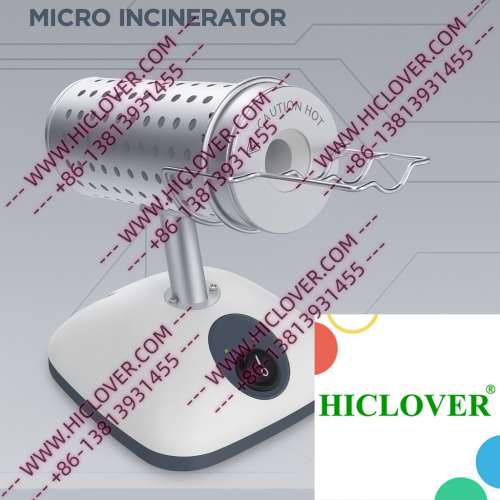
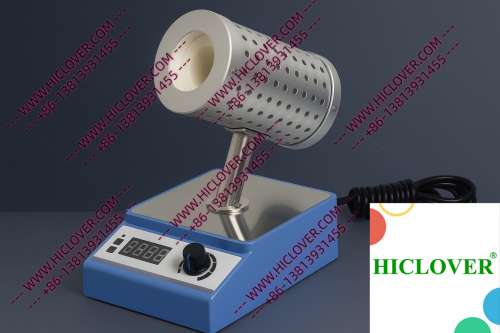
The Micro Incinerator operates on the principle of infrared heating, utilizing an enclosed ceramic heating chamber to deliver precise high temperatures for quick disinfection. Unlike traditional flame sterilizers, this device ensures that sterilization occurs in a controlled manner, minimizing the risk of aerosols and maintaining the integrity of clean environments. With an adjustable temperature control feature, users can tailor the heat to meet specific sterilization requirements, ensuring effective disinfection of inoculating loops and other small instruments.
Advantages of Micro Incinerators Over Traditional Flame Sterilizers
- Rapid Sterilization: Infrared heat offers faster sterilization times compared to alcohol lamps and Bunsen burners.
- Enhanced Safety: The absence of an open flame minimizes fire hazards, making them ideal for use in cleanrooms.
- Aerosol-Free Handling: Reduces the risk of aerosol generation, protecting laboratory personnel.
- Environmentally Friendly: Eliminates the need for harmful chemicals associated with liquid sterilization methods.
- Consistent Performance: Provides uniform heating, ensuring complete sterilization.
Application Scenarios in Real Labs
1. Biosafety Cabinet Operations
In BSL-2 laboratories, the Micro Incinerator can be seamlessly integrated into the workflow within biosafety cabinets. As researchers work with pathogenic microorganisms, the need for effective sterilization methods is paramount. In this scenario, the Micro Incinerator allows for the quick sterilization of inoculating loops without introducing open flames into the sterile environment. Researchers can achieve contamination control while maintaining the rigorous safety standards required for microbiological research.
2. Teaching Labs in Educational Institutions
In university teaching labs, where students learn microbiological techniques, the Micro Incinerator provides a safe and efficient sterilization method. With instructors emphasizing hands-on experiences, having flame-free sterilization options minimizes distractions and enhances focus on the sterile technique. Instructors can demonstrate sterilization processes effectively, ensuring that students understand the importance of contamination control without risking safety. The mobility and simplicity of infrared inoculating loop sterilizers make them suitable for classrooms and practical demonstrations alike.
Biosafety Compliance and Environmental Considerations
Adherence to established guidelines such as those set forth by the World Health Organization (WHO) and local regulatory bodies is critical for laboratory operations. Proper sterilization techniques not only enhance safety but also ensure compliance with laboratory sterilization standards. The use of open flames in clean rooms is generally prohibited due to the associated risks, making the Micro Incinerator an ideal solution. Its design complies with the necessity for a clean-bench-safe environment, protecting both the laboratory staff and the integrity of research results.
Comparison: Micro Incinerator vs. Flame Burners
| Feature | Micro Incinerator | Flame Burners |
|---|---|---|
| Heating Method | Infrared | Open Flame |
| Speed of Sterilization | Rapid | Slower |
| Safety | High (no open flame) | Medium (risk of fire) |
| Aerosol Generation | No | Yes |
| Environmental Impact | Low | Higher due to fuel use |
FAQs about Micro Incinerators
1. What is a Micro Incinerator used for?
A Micro Incinerator is used for rapid sterilization of inoculating loops and small laboratory instruments, minimizing contamination risks.
2. How does an infrared inoculating loop sterilizer work?
It works by utilizing infrared heat generated within a ceramic heating chamber, providing consistent high-temperature sterilization.
3. Are Micro Incinerators safe for use in cleanrooms?
Yes, they are designed to operate without an open flame, making them safe for cleanroom environments.
4. Can a Micro Incinerator replace traditional sterilization methods completely?
While highly effective, it is essential to evaluate specific lab requirements and sterilization standards before making a complete transition.
5. What are the maintenance requirements for a Micro Incinerator?
Regular cleaning of the ceramic chamber and ensuring proper temperature calibration are key maintenance practices.
Conclusion
In the evolving landscape of laboratory safety and sterilization techniques, the Micro Incinerator / Infrared Inoculating Loop Sterilizer stands out as an essential tool for microbiology labs, educational institutions, and beyond. Its advanced technology not only guarantees rapid thermal sterilization but also addresses critical biosafety concerns. As you consider enhancing your laboratory’s sterilization processes, contacting us for more information or to discuss potential purchases is a step towards ensuring a safer, more efficient laboratory environment.
Categories:
Tags: