
In the fast-paced environment of pathology laboratories, maintaining strict biosafety standards while ensuring effective sterilization practices is paramount. As laboratories face continuous pressures to improve workflows and enhance contamination control measures, the choice of sterilization equipment becomes critical. Among the various options, the Micro Incinerator, or Infrared Inoculating Loop Sterilizer, stands out for its rapid thermal sterilization capabilities and efficiency. This article delves into its technical principles, applications in real laboratory scenarios, and its compliance with global sterilization standards.
The Need for Effective Laboratory Sterilization
Pathology laboratories, which are crucial in diagnosing diseases and conducting research, are often high-stakes environments where the risk of contamination can lead to erroneous results and compromised samples. Traditional methods of sterilization, such as alcohol lamps and Bunsen burners, while widely used, present a number of challenges, including the emission of aerosols and the creation of open flames, which pose safety risks in cleanroom settings. Thus, more efficient and safer alternatives, like the Micro Incinerator, are in high demand.
Technical Principles of the Micro Incinerator
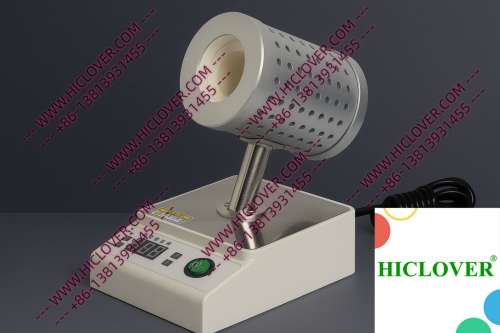
The Micro Incinerator employs an advanced infrared heating mechanism that quickly reaches high temperatures, enabling the sterilization of inoculating loops, needles, and other small instruments in mere seconds. What sets this device apart is its enclosed ceramic tube that prevents exposure to open flames, enhancing safety in laboratory environments, particularly in biosafety cabinets where contamination risks are highest.
Key Features of Micro Incinerators:
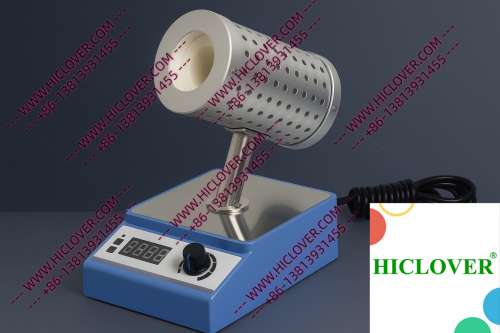
- Rapid Thermal Sterilization: Achieves sterilization in seconds, maximizing laboratory efficiency.
- Ceramic Heating Chamber: Provides uniform heating and minimizes the risk of contamination.
- Compact Design: Easily fits in tight laboratory spaces, ideal for crowded workspaces.
- Aerosol-Free Handling: Reduces the risk of aerosol diffusion, essential for biosafety.
Application Scenarios in Real Laboratories
1. Biosafety Cabinet Operations
Micro Incinerators excel in BSL-2 and BSL-3 microbiology labs, where maintaining a sterile environment is critical. Inside a biosafety cabinet, laboratory personnel can safely sterilize their instruments without the risk of open flames, ensuring a clean workspace that adheres to strict biosafety protocols.
2. University Teaching Labs
In educational settings, the Micro Incinerator serves as a practical tool for demonstrating sterilization techniques. It provides students with hands-on experience in aseptic techniques and understanding the importance of contamination control without the hazards associated with traditional flame sources.
Compliance and Environmental Considerations
The Micro Incinerator aligns with WHO biosafety standards and laboratory sterilization guidelines, ensuring that laboratories maintain compliance while promoting safer practices. The absence of flames makes it particularly advantageous for clean room operations, as it reduces the risk of fire hazards and the dispersal of harmful aerosols. Adopting this technology not only enhances safety but also contributes to a more environmentally considerate approach to sterilization.
Comparison: Micro Incinerator vs. Traditional Flame Burners
| Feature | Micro Incinerator | Flame Burners |
|---|---|---|
| Sterilization Speed | Seconds | Varies; generally slower |
| Aerosol Release | Minimal | High |
| Ease of Use | Simple one-button operation | Require skill and vigilance |
| Fire Risks | Low | High |
| Portability | Lightweight and compact | Bulky and less portable |
Frequently Asked Questions
- What is the primary benefit of using a Micro Incinerator over traditional methods?
Micro Incinerators offer rapid sterilization times, lower contamination risk, and improved safety compared to traditional open flame sterilization methods. - Can the Micro Incinerator be used in field testing environments?
Yes, its compact design and ease of use make it suitable for mobile or field testing laboratories. - How does the temperature regulation work in the Micro Incinerator?
The device utilizes infrared technology to rapidly attain the desired sterilization temperature, ensuring consistent and effective disinfection every time. - Are there specific maintenance requirements for the Micro Incinerator?
Routine checks for functionality and cleaning the ceramic tube are recommended to ensure optimal performance. - Is there a warranty offered on the Micro Incinerator?
Most manufacturers provide a warranty that covers defects and operational issues; it’s best to check the specific product for details.
Conclusion
The Micro Incinerator stands as a transformative solution for laboratories aiming to enhance their sterilization workflows while maintaining compliance with stringent biosafety standards. As contamination control becomes increasingly critical in both clinical diagnostics and educational environments, investing in efficient, safe, and reliable sterilization equipment is essential for modern laboratories. For more information regarding our Micro Incinerators and how they can fit into your lab’s sterilization processes, please contact us today!
Categories:
Tags: