
In today’s cutting-edge laboratories, the importance of biosafety cannot be overstated. As scientific inquiry advances, laboratory professionals face challenges that necessitate highly effective sterilization processes. Particularly in the fields of microbiology and clinical diagnostics, traditional methods such as alcohol lamps and Bunsen burners are being scrutinized for safety and efficiency. Enter the Micro Incinerator / Infrared Inoculating Loop Sterilizer—a modern solution designed to meet the rigorous demands of laboratory sterilization while ensuring robust contamination control.
Technical Principles of Micro Incinerators
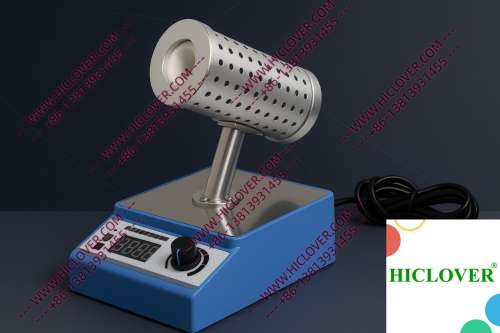
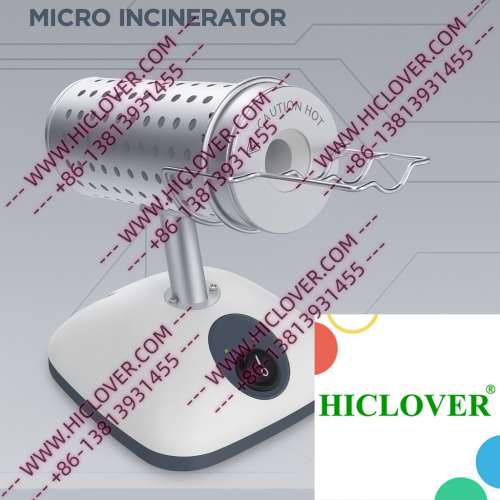
The Micro Incinerator operates on the principles of infrared heat and thermal disinfection. Characterized by a high-temperature ceramic heating chamber, this sterilizer is capable of achieving rapid thermal sterilization without the need for an open flame. The enclosed ceramic tube design significantly reduces the risk of airborne contamination and enables aerosol-free handling of microorganisms, meeting the stringent requirements of BSL-2 and BSL-3 microbiological safety.
Unlike traditional flame sterilizers, the Micro Incinerator utilizes infrared radiation that quickly heats the inoculating loop to temperatures exceeding 800°C within seconds. This ensures that all biological materials are effectively destroyed, with no chance of recontamination. Moreover, its user-friendly interface and compact design make it ideal for laboratory environments where space and ease of use are paramount.
Applications of Micro Incinerators in Various Laboratory Settings
The Micro Incinerator can be implemented across various laboratory environments, each leveraging its unique advantages:
- Biosafety Cabinets: Utilizing a Micro Incinerator within a biosafety cabinet ensures that sterilization happens in a controlled environment, significantly reducing the risk of contaminating both the samples and the enclosed working area.
- Field Testing Labs: For mobile labs, the compact nature of the Micro Incinerator makes it an excellent tool for rapid sterilization during field studies. This is especially relevant for studies conducted in remote areas without access to traditional laboratory resources, where efficient sterilization can facilitate better data integrity.
- Teaching Labs: In university teaching laboratories, safety is critical. The Micro Incinerator presents an excellent teaching tool, allowing students to observe modern sterilization methods without the risks associated with open flames.
Compliance and Environmental Considerations
The implementation of Micro Incinerators aligns closely with international biosafety standards, including guidelines set by the World Health Organization (WHO). Traditional flame sterilizers pose various risks, including the potential for flammable gas emissions and the need for additional ventilation in clean rooms. In contrast, the Micro Incinerator operates as a flame-free solution, facilitating clean, efficient sterilization without creating hazardous conditions.
By opting for infrared technology, laboratories can streamline their compliance measures while promoting safety. Adherence to the latest laboratory sterilization standards not only protects personnel but also conserves the integrity of the experiments being conducted.
Advantages Over Traditional Flame Sterilizers
The Micro Incinerator presents several advantages compared to conventional flame sterilizers. Here is a comparison table highlighting key differences:
| Feature | Micro Incinerator | Flame Sterilizers |
|---|---|---|
| Heating Method | Infrared | Open Flame |
| Temperature Control | Rapid, precise | Variable, less controlled |
| Contamination Risk | Low (aerosol-free) | High (risk of blowback) |
| Safety | Flame-free | Requires careful handling |
| Portability | High (compact design) | Limited (bulky setup) |
FAQs About Micro Incinerator / Infrared Inoculating Loop Sterilizers
- What is the main advantage of using a Micro Incinerator?
The primary advantage is its rapid, efficient sterilization capability without the risks associated with open flames. - Can the Micro Incinerator be used in BSL-3 laboratories?
Yes, the Micro Incinerator is designed to meet the stringent safety standards required in BSL-3 environments, offering robust isolation from aerosol and contamination. - How does it comply with WHO biosafety standards?
The Micro Incinerator adheres to WHO standards by eliminating open flames, thus decreasing the risk of fires and airborne contamination in sensitive laboratory settings. - What type of materials can be sterilized with the Micro Incinerator?
It is suitable for sterilizing inoculating loops, needles, and small metal tools used in microbiological applications. - Is the Micro Incinerator portable for field use?
Yes, its compact design ensures it is easy to transport, making it suitable for mobile or field testing labs.
Conclusion
As laboratories evolve to meet modern healthcare demands, investing in efficient sterilization equipment like the Micro Incinerator / Infrared Inoculating Loop Sterilizer is imperative. Whether in a clinical diagnostic environment, a university laboratory, or a mobile testing unit, this state-of-the-art sterilizer provides unparalleled safety and efficacy. If you’re looking to enhance your laboratory’s sterilization process and ensure compliance without compromising on safety, consider contacting us for purchasing options or more information. The time to upgrade your sterilization equipment is now!
Categories:
Tags: