
In the fast-evolving landscape of medical facilities in Singapore, the demand for laboratory sterilization equipment is more critical than ever. Hospitals face numerous biosafety challenges, specifically the rigorous need for contamination control in microbiological laboratories. As healthcare providers strive to maintain high standards of patient safety and operational efficiency, many are turning to innovative solutions like the Micro Incinerator / Infrared Inoculating Loop Sterilizer to meet their sterilization workflow demands.
Understanding the Technical Principles of Micro Incinerators
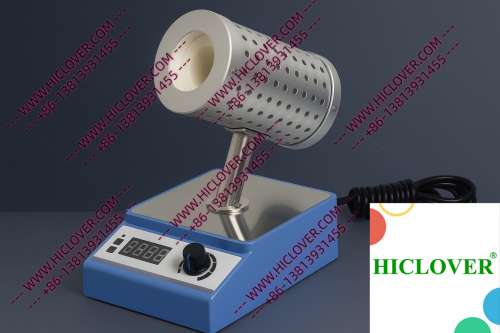
The Micro Incinerator operates on the principle of rapid thermal sterilization. Unlike traditional flame-based sterilizers, which can produce soot and require the handling of combustible materials such as alcohol, this advanced device utilizes infrared heat. The enclosed ceramic heating chamber allows for controlled high-temperature disinfection without the risk of igniting flammable materials, making it perfectly suited for use in clean rooms and laboratory environments.
- Infrared Heat: Provides consistent temperatures above 800°C for effective sterilization.
- Enclosed Ceramic Tube: Ensures safety and reduces contamination risks associated with open flames.
- Aerosol-Free Handling: Minimizes the release of harmful aerosols, promoting a safer laboratory atmosphere.
- Compact Design: Facilitates easy incorporation into various settings, including biosafety cabinets and mobile labs.
- WHO Biosafety Standards for Microbiological and Biomedical Laboratories
- Laboratory sterilization benchmarks as outlined in ISO 11135:2014
- Clean room requirements, eliminating the need for open flames that are inconsistent with aseptic conditions
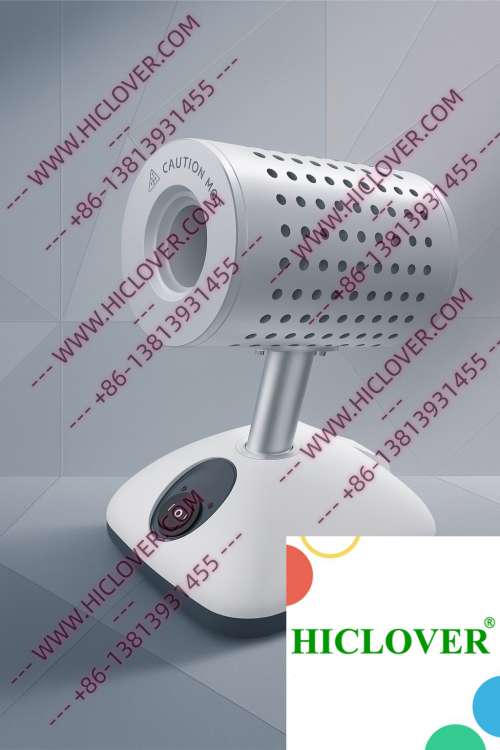
Application Scenarios: Real-World Laboratory Implementations
1. University Teaching Labs
In educational institutions across Singapore, the Micro Incinerator has become a staple in university teaching labs. Instructors can confidently demonstrate the principles of microbiology without the hazards associated with open flame burners. This equipment not only assists in sterilizing inoculating loops but also reinforces good laboratory practices by emphasizing safety protocols among students.
2. Field Testing Laboratories
Operational in rural or less accessible areas, field testing laboratories utilize the Micro Incinerator for quick and efficient sterilization of sampling tools and inoculating loops. By employing this equipment, technicians can maintain biosafety in various environmental conditions, ensuring that all collected samples remain uncontaminated during transport back to central facilities for analysis.
Compliance and Environmental Considerations
Singapore’s commitment to the highest laboratory safety standards is underscored by the stringent compliance protocols set forth by the World Health Organization (WHO) and other regulatory bodies. The Micro Incinerator aligns with the following guidelines:
By utilizing infrared loop burners, hospitals can ensure complete adherence to these standards while promoting a safer working environment for laboratory personnel.
Advantage Comparison: Micro Incinerator vs. Traditional Flame Sterilizers
| Feature | Micro Incinerator | Flame Sterilizers |
|---|---|---|
| Temperature Consistency | Superior thermal regulation through infrared heat | Variable depending on user control and flame source |
| Contamination Control | Aerosol-free handling and no soot production | Risk of contamination through open flames and soot |
| Safety | Low risk of fire hazards; enclosed design | Higher risk of fire, burns, and environmental hazards |
| Operational Ease | Compact and user-friendly interface | Requires careful management of flame |
FAQs: Common Questions About Micro Incinerators
1. What is the primary advantage of using a Micro Incinerator over a Bunsen burner?
The primary advantage lies in its ability to provide consistent, high-temperature sterilization without the hazards associated with flames or soot, making it safer and more efficient for laboratory use.
2. Can the Micro Incinerator be used in a BSL-2 or BSL-3 laboratory?
Yes, the Micro Incinerator’s design is compliant with the biosafety standards necessary for BSL-2 and BSL-3 laboratories, enhancing the safety of complex microbial work.
3. Is the Micro Incinerator portable for field testing applications?
Absolutely! Its compact design and lightweight features make it ideal for use in mobile laboratories and field settings.
4. How does the Micro Incinerator contribute to environmental safety?
This device eliminates the need for flammable alcohols, reducing the risk of fire hazards in laboratory environments and promoting safe waste management through efficient sterilization.
5. What maintenance is required for the Micro Incinerator?
Routine cleaning of the ceramic tube and inspection of electrical components are necessary to ensure optimal performance. Always refer to the manufacturer’s guidelines for specific maintenance instructions.
Conclusion: Transforming Medical Facilities for the Future
With advancements like the Micro Incinerator / Infrared Inoculating Loop Sterilizer, Singaporean medical facilities are not only enhancing their sterilization processes but also prioritizing safety and compliance with international standards. As the healthcare sector continues to embrace these modern solutions, laboratories can anticipate improved workflow efficiency and a safer environment for both personnel and patients.
If you are interested in integrating this cutting-edge sterilization technology into your facility, don’t hesitate to reach out for more information or to place an order. Let’s elevate your laboratory’s safety and efficiency today!
Categories:
Tags: