
In today’s laboratory environment, one of the foremost challenges is maintaining a high standard of biosafety while ensuring the efficiency of sterilization workflows. As research and diagnostics become increasingly complex, the need for reliable sterilization equipment to prevent contamination during microbial studies is paramount. One solution that has gained prominence in laboratories is the Micro Incinerator, particularly the Infrared Inoculating Loop Sterilizer.
The Technical Edge: How Micro Incinerators Work
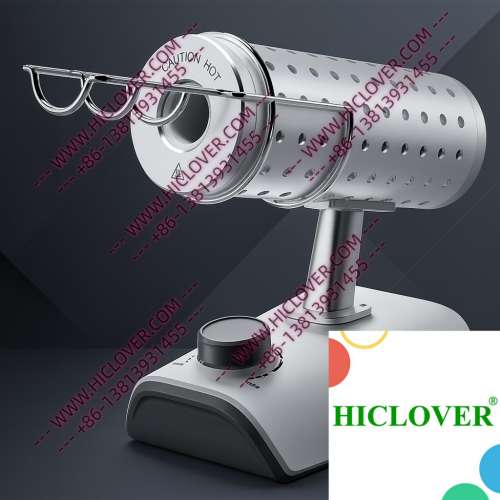
Micro Incinerators utilize advanced technology to achieve rapid thermal sterilization, eliminating the risk of contamination through high-temperature disinfection. These devices operate using an enclosed ceramic tube that generates infrared heat, allowing for precise control over the sterilization process.
When heated, the ceramic chamber reaches temperatures that can exceed 800 degrees Celsius, enabling quick and effective eradication of microorganisms from inoculating loops. Unlike traditional flame sterilizers such as Bunsen burners or alcohol lamps, these units provide a clean, aerosol-free handling experience, thus enhancing safety in sterile environments.
Applications in Real Labs
Micro Incinerators are increasingly utilized across various laboratory settings, including:
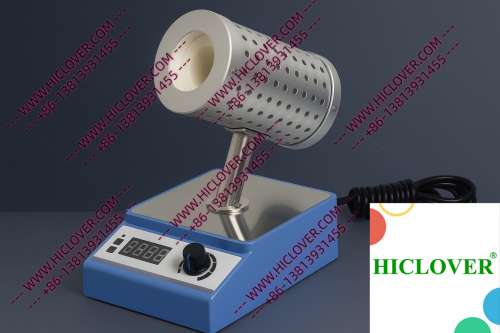
- Biosafety Cabinets: In high-containment settings such as BSL-2 and BSL-3 microbiology labs, Micro Incinerators reduce contamination risks while upholding airflow integrity.
- Field Testing Labs: In remote locations, the mobility of micro incinerators allows field researchers to conduct microbial tests safely and efficiently, even in the absence of traditional laboratory infrastructure.
- Teaching Labs: Universities often employ these devices in educational settings to demonstrate sterile techniques, emphasizing the importance of contamination control for students.
Compliance with Biosafety and Laboratory Standards
Adhering to international biosafety standards is critical for laboratory operations. Organizations such as the World Health Organization (WHO) recommend stringent sterilization practices to mitigate risks associated with microbial research.
Micro Incinerators align with these regulations, being flame-free, thus ensuring compliance in clean room environments where even small flames could ignite nearby materials. Furthermore, they conform to laboratory sterilization standards, promoting a culture of cleanliness and safety in laboratory spaces.
Micro Incinerator vs. Traditional Flame Sterilizers
| Feature | Micro Incinerator | Flame Sterilizers |
|---|---|---|
| Temperature Control | High precision with infrared heat | Variable and less controllable |
| Safety | Flame-free operation | Risk of fire and burns |
| Aerosol Production | None | Possibility of aerosol generation |
| Portability | Lightweight and mobile | Heavy and less portable |
Frequently Asked Questions
- How long does it take for a Micro Incinerator to sterilize an inoculating loop? The sterilization process typically takes just a few seconds, significantly faster than traditional methods.
- Can Micro Incinerators be used in a quiet laboratory environment? Yes, Micro Incinerators operate quietly, making them suitable for environments requiring minimal noise disruption.
- What maintenance do Micro Incinerators require? Regular cleaning of the ceramic tube and periodic inspection of the heating elements ensure optimal performance.
- Are Micro Incinerators safe for use in BSL-2 and BSL-3 labs? Absolutely, their design and operation meet the stringent safety requirements of these high-containment labs.
- How do I choose the right sterilization equipment for my lab? Consider factors such as the type of research you’re conducting, the level of biosafety required, and the equipment’s compatibility with your workflow.
Conclusion: Enhance Your Laboratory Safety and Efficiency
In summary, the implementation of Micro Incinerators in laboratory settings significantly enhances both efficiency and safety during sterilization procedures. As compliance with biosafety regulations continues to elevate in importance, the choice of equipment plays a critical role in maintaining a contamination-free environment. For laboratories looking to improve their sterilization workflows, the Micro Incinerator presents a modern, reliable alternative to traditional flame sterilizers.
To explore our range of Micro Incinerators and find the ideal solution for your laboratory needs, please contact us today! Ensure your lab is equipped with the best in sterilization technology.
Categories:
Tags: