
In the dynamic arena of veterinary medicine, laboratory biosafety challenges and sterilization workflow demands are continuously evolving. As the need for effective sterilization methods escalates, veterinary practices are increasingly turning to laboratory sterilization equipment that prioritizes both efficiency and safety. Among these innovations, the Micro Incinerator, particularly the Infrared Inoculating Loop Sterilizer, stands out as a game-changing tool for ensuring contamination control and sterilization reliability.
How Micro Incinerators Work
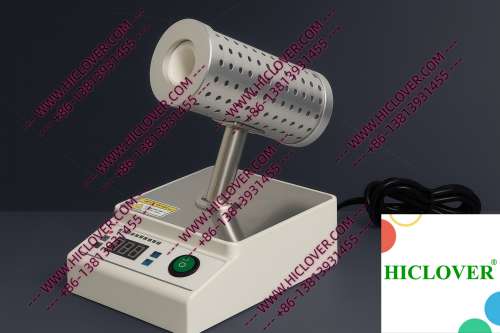
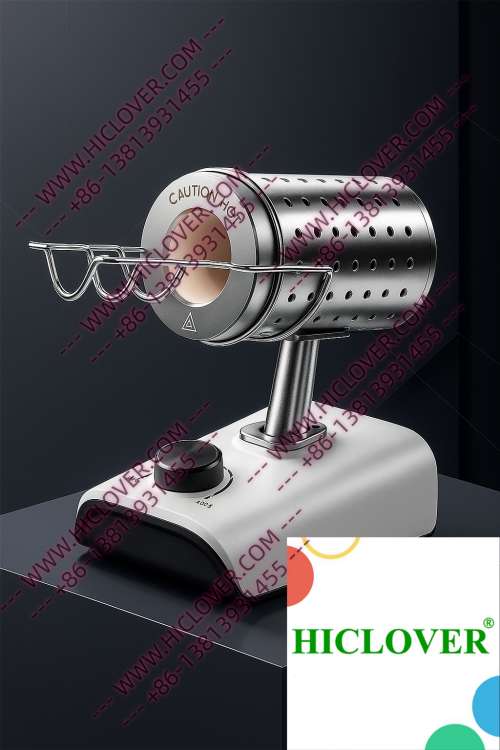
The technical principle behind the Micro Incinerator lies in its use of infrared heat for rapid thermal sterilization. This device typically comprises an enclosed ceramic tube that generates high temperatures, capable of instantly eliminating microbial threats. Unlike traditional flame sterilizers such as alcohol lamps and Bunsen burners, which can pose risks of flame exposure and require constant supervision, the Micro Incinerator operates in a clean-bench-safe manner, making it ideal for both laboratory and clinical settings.
Application Scenarios
Field Testing
In mobile or field testing labs, the challenges of maintaining biosafety standards are amplified. The portability and ease of use of the Micro Incinerator allow veterinary professionals to conduct sterilization outdoors without the risk of flammable fumes or debris disrupting the testing environment. For instance, during wildlife disease surveillance, the device can be easily transported and set up at remote locations, ensuring that samples are handled with the utmost safety, effectively eliminating the chance of cross-contamination.
University Teaching Labs
The incorporation of Micro Incinerators in university teaching labs offers students a practical lesson in laboratory safety and sterilization protocols. As part of microbiology and animal health programs, these devices facilitate hands-on learning experiences in maintaining biosafety, especially in BSL-2 and BSL-3 microbiology labs. Students learn the significance of rapid thermal sterilization and how it aids in the prevention of aerosol contamination when handling cultures and samples.
Compliance and Environmental Considerations
Adhering to biosafety compliance is paramount in any veterinary practice. The World Health Organization (WHO) sets rigorous standards for laboratory sterilization, particularly regarding the use of flame sterilizers in clean rooms. The Micro Incinerator not only meets these compliance guidelines but also eliminates concerns associated with flames and aerosols, making it environmentally friendly and safer for both users and nearby personnel.
Biosafety Standards and Laboratory Regulations
Laboratories must comply with stringent standards to ensure the safety of personnel and the integrity of research. The Micro Incinerator aligns with various laboratory sterilization standards, particularly in settings where a high degree of sterility is expected, such as clinical diagnostics, where contaminated instruments can lead to misdiagnosis or outbreaks. Notably, the device’s capability to provide flame-free operations is essential for clean rooms designed to prevent particle contamination.
Micro Incinerator vs. Traditional Flame Sterilizers
| Feature | Micro Incinerator | Flame Sterilizers |
|---|---|---|
| Heating Method | Infrared | Open Flame |
| Safety | Low risk of fire and contamination | High risk of fire and aerosols |
| Ease of Use | Simple, quick sterilization workflow | Requires monitoring and adjustment |
| Portability | Highly portable for field use | Less portable with safety restrictions |
| Compliance | Meets WHO biosafety standards | Often inadequate for clean environments |
Frequently Asked Questions
- What types of labs benefit most from using a Micro Incinerator?
Micro Incinerators are particularly beneficial in veterinary practices, university teaching labs, and BSL-2 and BSL-3 microbiology labs. - How does the Micro Incinerator ensure rapid sterilization?
Infrared heating technology provides high temperatures quickly, ensuring contaminants are eradicated in moments. - Are Micro Incinerators safe for use in clean rooms?
Yes, they are designed to operate without an open flame, maintaining the integrity of clean environments. - What maintenance is required for a Micro Incinerator?
Regular cleaning of the ceramic chamber is recommended to ensure optimal performance and longevity. - Can a Micro Incinerator be used for different sterilization applications?
Absolutely! They can be used for sterilizing loops, needles, and other small instruments across various settings.
Conclusion
The advancement of sterilization technology, such as the Micro Incinerator, represents a vital shift towards improved efficiency and safety in veterinary practices. By replacing traditional flame sterilizers with infrared technology, laboratories can enhance their sterilization workflow while adhering to stringent compliance standards. If you’re ready to elevate your practice’s sterilization capabilities, consider investing in a Micro Incinerator today. For more information or to make a purchase, please contact us!
Categories:
Tags: