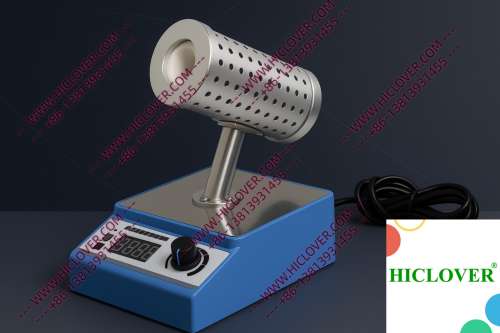
In modern laboratories, maintaining biosafety and contamination control is paramount. As research progresses and becomes more complex, laboratories face increasing pressures to ensure effective sterilization processes. The traditional methods of sterilization, primarily through flame sterilizers like alcohol lamps and Bunsen burners, are evolving, particularly with the introduction of advanced configurations such as the Micro Incinerator or Infrared Inoculating Loop Sterilizer. UK suppliers are at the forefront of this transition, championing sustainable solutions that enhance workflow efficiency while ensuring compliance with stringent laboratory standards.
The Technical Principles Behind Micro Incinerators
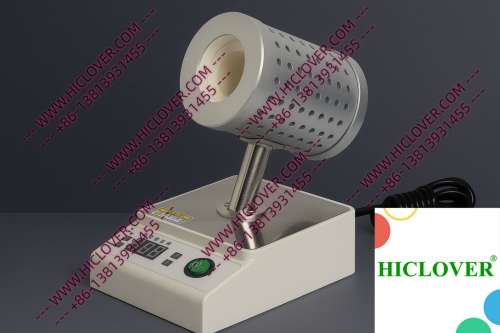
The Micro Incinerator operates on the principle of rapid thermal sterilization. Instead of producing an open flame, it utilizes infrared heat generated by a ceramic heating chamber. This design allows for precise temperature control, ensuring that instruments are disinfected effectively without the risks associated with open flames—making them ideal for cleanroom environments and labs where aerosol-free handling is crucial.
- Enclosed Ceramic Tube: Provides enhanced user safety and minimizes the risk of cross-contamination.
- Compact Design: Easy to integrate into biosafety cabinets, optimizing space and workflow.
- Energy Efficiency: Consumes less power compared to traditional flame-based sterilizers, contributing to sustainable lab practices.
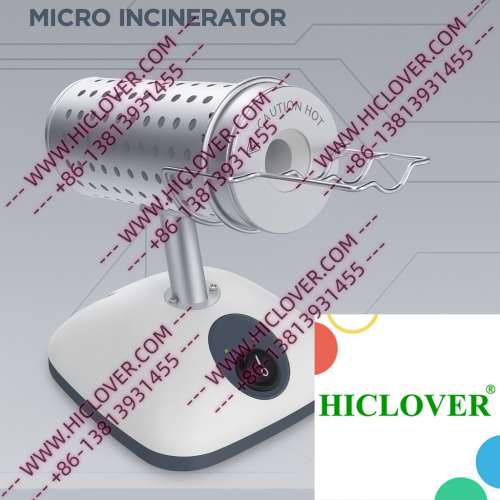
Application Scenarios in Real Labs
1. Clinical Diagnostics and BSL-2 Laboratories
In clinical diagnostic labs operating at BSL-2 levels, a sterile environment is critical to preventing contamination during sample analyses. The Micro Incinerator enhances overall workflow by allowing researchers to prepare inoculating loops rapidly. For instance, when aseptically handling pathogens, the quick heating time ensures that the instruments are ready in seconds, compared to the longer wait times of traditional flame methods. Furthermore, with no open flame, the risk of igniting volatile chemicals in the laboratory is significantly reduced, ensuring a safer working environment.
2. University Teaching Labs
In university settings, where teaching lab safety is as important as research productivity, the Micro Incinerator serves as an educational tool for students. Instructors can demonstrate sterilization techniques that uphold contemporary biosafety standards without the risks posed by open flames. This setup allows students to familiarize themselves with efficient sterilization methods, preparing them for careers in clinical research and diagnostics.
Regulatory Compliance and Environmental Considerations
Compliance with regulatory standards such as those from the World Health Organization (WHO) and other lab sterilization guidelines is a critical component of laboratory operations. Implementing a Micro Incinerator in laboratories helps ensure adherence to these standards, particularly in minimizing flame usage in cleanroom environments where contamination control is imperative.
Furthermore, as global focus shifts towards sustainability, the eco-friendly design of micro incinerators provides an alternative that reduces energy consumption compared to traditional methods. With no flames to manage, these devices are also compliant with regulations against using open flames in environments sensitive to volatile chemicals or biological hazards.
Advantages of Micro Incinerators over Traditional Flame Sterilizers
To further illustrate the benefits of using Micro Incinerators in laboratory settings, consider the following comparison:
| Feature | Micro Incinerator | Traditional Flame Sterilizer |
|---|---|---|
| Safety | No open flame, minimal risk of ignition | Open flame can ignite flammable materials |
| Efficiency | Rapid heating, reduced wait time | Longer wait time for temperatures to stabilize |
| Energy Consumption | Lower energy usage | Higher energy usage, especially over long periods |
| Application Range | Versatile for various laboratory settings | Limited in use due to open flame |
Frequently Asked Questions (FAQs)
What are the key benefits of using a Micro Incinerator in laboratory settings?
The key benefits include enhanced safety due to the absence of open flames, increased efficiency with rapid heating times, reduced energy consumption, and compliance with biosafety standards.
Can Micro Incinerators be used in cleanroom environments?
Yes, Micro Incinerators are specially designed for cleanroom use as they produce no flames, making them safe for environments sensitive to potential ignition sources.
How do Micro Incinerators compare in cost to traditional flame sterilizers?
While the initial investment in a Micro Incinerator may be higher, the long-term savings in energy costs and increased efficiency can make them more cost-effective over time.
Are Micro Incinerators suitable for field testing applications?
Absolutely! Their compact design and lack of open flames make Micro Incinerators ideal for field testing labs, ensuring sterility wherever necessary without traditional flame hazards.
What maintenance does a Micro Incinerator require?
Micro Incinerators require minimal maintenance. Regular checks on the heating element and ceramic tubes, along with cleaning, will ensure optimal performance.
Conclusion
In conclusion, the Micro Incinerator represents a significant advancement in laboratory sterilization, offering efficiency, sustainability, and safety that traditional flame sterilizers simply cannot match. UK suppliers are continuing to lead the way in providing these innovative solutions. If you’re considering upgrading your laboratory’s sterilization processes or want to learn more about how Micro Incinerators can benefit your operations, contact us today for more information and to explore purchasing options.
Categories:
Tags: