
Laboratories today face significant biosafety challenges in maintaining sterile environments, essential for accurate results and safety. Contemporary sterilization workflows demand reliable, rapid, and efficient methods to ensure effective contamination control. This evolution puts the Micro Incinerator, particularly the Infrared Inoculating Loop Sterilizer, in the spotlight as a preferred choice in many laboratories across the USA.
The Technical Principles Behind Micro Incinerators
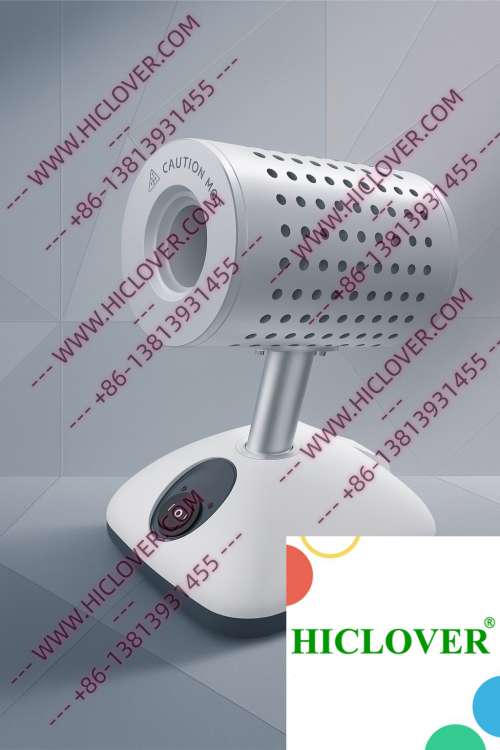
Micro Incinerators operate using the principle of infrared heat, which allows for enclosed and controlled sterilization. The device employs a ceramic heating chamber that reaches high temperatures, enabling rapid thermal sterilization of inoculating loops, needles, and other tools within seconds. Unlike traditional flame sterilizers like alcohol lamps or Bunsen burners, micro incinerators provide a clean-bench-safe, aerosol-free handling environment that minimizes the risk of contamination.
Advantages Over Traditional Sterilizers
Micro Incinerators offer distinct advantages compared to traditional flame sterilizers:
- Enhanced Safety: No open flame reduces risks of fire and injury.
- Controlled Environment: Infrared heating prevents the release of aerosols, ideal for sensitive environments.
- Rapid Sterilization: Achieves sterilization within seconds.
- Portable and Mobile: Ideal for field testing applications.
- Energy Efficient: Consumes less power compared to flame sources.
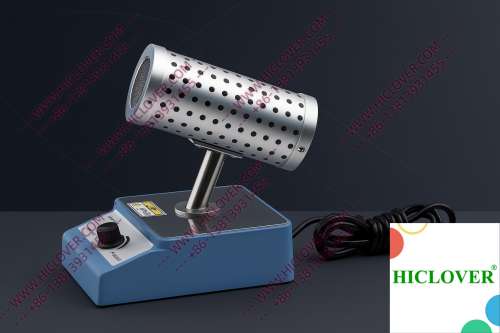
Application Scenarios in Real Labs
1. BSL-2 and BSL-3 Microbiology Labs
In microbiology laboratories, particularly those designated as BSL-2 or BSL-3, maintaining a sterile work area is essential. Micro Incinerators are used frequently within biosafety cabinets, where personnel handle pathogens. The clean and efficient process of sterilizing equipment with these devices significantly minimizes contamination risks, ensuring compliance with stringent safety regulations.
2. University Teaching Labs
In educational environments, such as university teaching labs, the requirement for a safe method of sterilization is paramount. Students understand the implications of sterile procedures and are grateful for the ease of use of Micro Incinerators. Their design allows students to quickly sterilize their tools without the hazards associated with open flames, thus enhancing the learning experience while prioritizing safety.
Compliance and Environmental Considerations
Compliance with established biosafety and sterilization standards is crucial in any laboratory setting. Guidelines set by the World Health Organization (WHO) dictate that laboratories must employ methods that do not compromise the sterile environment. Micro Incinerators fulfill these requirements, ensuring no flame is used in clean rooms and that aerosol production is minimized, thereby aligning with lab sterilization standards and enhancing overall lab safety.
Complying with standards such as the Occupational Safety and Health Administration (OSHA) further emphasizes the need for using equipment like the Micro Incinerator, which enhances the safety and integrity of laboratory operations.
Comparison Table: Micro Incinerator vs. Flame Burners
| Features | Micro Incinerator | Flame Burners |
|---|---|---|
| Safety | No open flame | Open flame hazards |
| Rapid Sterilization | Within seconds | Varies, often longer |
| Energy Efficiency | High | Moderate to high |
| Aerosol Production | No aerosols | Can produce aerosols |
| Usability in Clean Areas | Clean-bench-safe | Not recommended |
Frequently Asked Questions
What is the primary function of a Micro Incinerator?
The primary function of a Micro Incinerator is to rapidly sterilize inoculating loops, needles, and other laboratory implements using infrared heating, enhancing safety and efficiency in laboratories.
How does a Micro Incinerator ensure safety compared to traditional flame sterilizers?
A Micro Incinerator uses no open flame and operates in a closed system, eliminating the risks of fire and reducing aerosol production, making it safe for use in sensitive lab environments.
Can Micro Incinerators be used in field testing laboratories?
Yes, Micro Incinerators are portable and energy-efficient, making them ideal for use in field testing laboratories, where immediate sterilization is often required.
What are the main advantages of using Infrared Inoculating Loop Sterilizers?
The main advantages include rapid sterilization, enhanced safety (due to no open flame), minimal aerosol production, and compliance with various international biosafety and laboratory sterilization standards.
Are there specific labs where Micro Incinerators are highly recommended?
Micro Incinerators are particularly recommended for BSL-2 and BSL-3 microbiology labs, clinical diagnostics, university teaching labs, and mobile field testing labs, where sterility is essential.
Conclusion
The rising popularity of Micro Incinerators in laboratories across the USA signifies a shift towards more effective, efficient, and safe sterilization practices. As labs continue to face biosafety challenges, investing in advanced sterilization equipment like the Infrared Inoculating Loop Sterilizer is essential for maintaining high safety standards and operational efficiency. If you are ready to enhance your laboratory operations with a Micro Incinerator, contact us today or explore our product offerings to find the perfect solution for your sterilization needs.
Categories:
Tags: