
In the world of laboratory operations, biosafety challenges and sterilization workflow demands are paramount. Traditional flame-based sterilizers, such as Bunsen burners and alcohol lamps, although widely used, present significant risks including open flames, heat exposure, and the potential for aerosol generation. With increasing pressure on laboratories to enhance safety while ensuring rapid thermal sterilization, the adoption of modern sterilization technologies is on the rise. Particularly, micro incinerators and infrared inoculating loop sterilizers stand out for their combination of efficiency and safety.
Understanding Infrared Sterilization Technologies
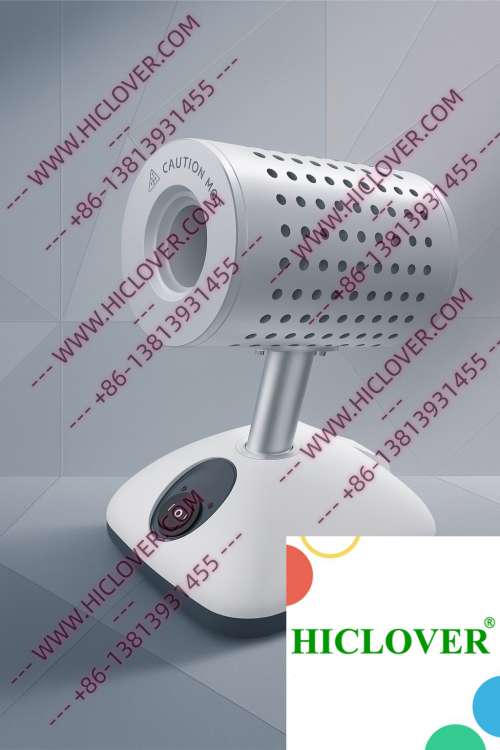
The fundamental principle behind micro incinerators and infrared inoculating loop sterilizers lies in their use of infrared heat for enclosed, efficient sterilization. These devices utilize a ceramic heating chamber that allows for direct heat transfer, ensuring high temperatures are achieved swiftly and accurately. Unlike traditional flame sterilizers, the enclosed design minimizes the release of aerosols, dramatically improving contamination control in sensitive lab environments.
When the infrared inoculating loop sterilizer is activated, it generates instant, high-temperature disinfection, making it ideal for sterilizing inoculating loops, needles, and other equipment with precision. This method not only speeds up the sterilization process but also ensures that the integrity of the sterilized tools is maintained, significantly reducing the chances of recontamination.
Real-World Applications of Micro Incinerators
- Biosafety Cabinets: In BSL-2 and BSL-3 microbiology labs, the containment and integrity of samples are crucial. Micro incinerators can be safely used within biosafety cabinets, allowing researchers to sterilize tools without compromising the sterile environment. Their quick startup time ensures that sterilization is integrated seamlessly into laboratory workflows, allowing for expedited processes and reduced waiting periods.
- Field Testing Laboratories: Mobile or field testing labs, often used for clinical diagnostics and agricultural research, require dependable sterilization methods that can be utilized away from traditional lab environments. The compact design and easy portability of micro incinerators make them an ideal choice for field testing scenarios, where efficient, safe sterilization is critical for valid results.
- What are the main advantages of using a micro incinerator in the laboratory?
The key advantages include enhanced safety, quicker sterilization times, and improved contamination control, especially in sensitive environments.
- Can micro incinerators be used in BSL-2 laboratories?
Yes! Micro incinerators are designed to meet biosafety standards, making them suitable for BSL-2 and BSL-3 laboratories.
- How do infrared inoculating loop sterilizers compare to traditional methods?
Infrared sterilizers offer rapid thermal sterilization with minimal risks compared to flame-based tools, which can produce open burns and aerosols.
- Are micro incinerators high-maintenance?
No, they typically require minimal maintenance due to their durable ceramic construction.
- What is the operational lifespan of a micro incinerator?
With proper care, micro incinerators can last for many years, providing a reliable and safe tool for sterilization in laboratories.
Compliance and Safety Standards
As biosafety regulations evolve, laboratories must adhere to established guidelines, such as the WHO biosafety standards and local laboratory sterilization regulations. Utilizing devices that produce no open flames is particularly essential in clean rooms and sensitive environments. Micro incinerators meet these regulations, providing a compliant alternative that enhances safety while streamlining sterilization processes.
Furthermore, the incorporation of remotely-controlled sterilization options reduces operator exposure to potentially hazardous materials, aligning with the best practice recommendations from compliance bodies. Laboratories equipped with micro incinerators can also benefit from reduced risk assessments and enhanced lab safety profiles.
Advantages of Micro Incinerators Over Traditional Flame Sterilizers
| Feature | Micro Incinerator | Traditional Flame Sterilizer |
|---|---|---|
| Heat Source | Infrared thermal energy | Open flame |
| Safety | Encased, no aerosols | Risk of burns and flammable accidents |
| Efficiency | Immediate sterilization | Requires warm-up time |
| Ease of Use | User-friendly controls | Requires skill to operate safely |
| Maintenance | Low-maintenance ceramics | Flame cleanup and fuel management |
FAQs About Micro Incinerators and Infrared Inoculating Loop Sterilizers
Conclusion
In conclusion, the transition from traditional flame sterilizers to modern micro incinerator technology not only enhances laboratory safety but also meets compliance standards with ease. This innovative approach to sterilization empowers laboratories, universities, and research centers to focus on their core missions while ensuring rapid and effective contamination control. If you are considering upgrading your laboratory sterilization equipment, contact us or visit our website today to explore our range of micro incinerators and infrared inoculating loop sterilizers. Transform your sterilization workflows and boost your laboratory’s operational safety!
Categories:
Tags: