
As the demand for safer and more efficient laboratory practices rises, Sudanese clinics face increasing challenges in maintaining biosafety standards. The need for reliable sterilization methods is amplified in environments with strict contamination control requirements, particularly in laboratories dealing with infectious agents. Traditional flame sterilizers such as alcohol lamps and Bunsen burners may create hazardous environments, and with the rise of the Micro Incinerator / Infrared Inoculating Loop Sterilizer, safety and efficiency can be harmonized for a superior laboratory workflow.
Embracing Modern Sterilization Principles
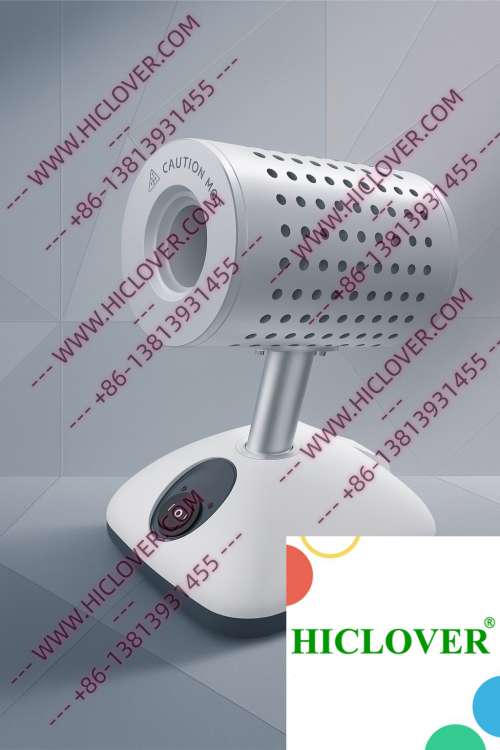
The Micro Incinerator harnesses the power of infrared heat, providing rapid thermal sterilization in a safe and effective manner. The enclosed ceramic heating chamber generates high temperatures quickly without the risks associated with open flames. This innovative design allows for a clean-bench-safe operation, crucial in environments like BSL-2 and BSL-3 microbiology labs where strict biosafety measures are paramount.
Key Technical Features:
- Infrared heating technology for rapid heat generation
- Enclosed ceramic tube for enhanced safety
- Aerosol-free handling to minimize contamination risks
- Compact and portable design suitable for various lab setups
Application Scenarios in Sudanese Labs
Field Testing Environments
In field testing operations across Sudan, especially in remote areas, labs find the Micro Incinerator invaluable. Unlike traditional sterilization methods, where resources may be limited, the Micro Incinerator allows for reliable sterilization without the need for flammable chemicals or a constant electricity supply. It ensures that nurses and technicians can safely handle inoculating loops during sample collection—a critical aspect of rapid pathogen detection during outbreaks.
University Teaching Labs
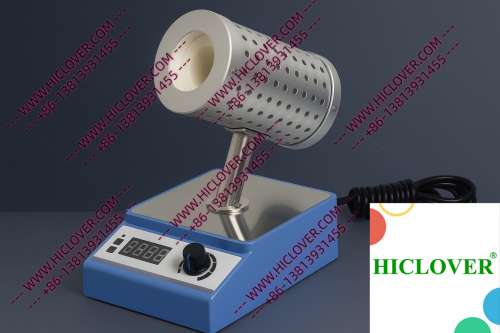
In educational settings, particularly university teaching labs, the Micro Incinerator serves as an effective learning tool. Students engaged in microbiology courses benefit from its ease of use and safety features, allowing them to concentrate on practical skills without the worry of handling flame-based sterilizers. This fosters an environment conducive to efficient learning while maintaining high sterilization standards.
Compliance and Safety Standards
Compliance with the World Health Organization’s (WHO) biosafety guidelines is imperative, especially in laboratories working with infectious diseases. Conventional flame sterilizers can pose risks in clean rooms; therefore, the Micro Incinerator provides a compliant alternative.
- Adheres to WHO biosafety levels
- Supports laboratory sterilization standards for safe operations
- Reduces the risk of fire hazards in confined spaces
This shift towards adopting advanced sterilization equipment not only fulfills regulatory compliance but ensures that laboratory environments remain contamination-free, facilitating accurate testing and research.
Comparative Analysis: Micro Incinerator vs. Flame Burners
| Feature | Micro Incinerator | Flame Burners |
|---|---|---|
| Heat Source | Infrared | Open Flame |
| Safety | Low risk of burns and fires | Higher risk of accidents |
| Contamination Control | Aerosol-free operation | Possible aerosols from ignited materials |
| Portability | Compact design | Bulky and less portable |
| Energy Efficiency | Fast heating with low energy consumption | Higher energy consumption |
FAQs About Micro Incinerators
1. How does the Micro Incinerator ensure safety during use?
The Micro Incinerator operates without an open flame, minimizing the risk of burns and fire hazards in laboratory environments, making it an ideal choice for clean rooms and sensitive research settings.
2. Can the Micro Incinerator be used for field testing?
Yes, its portable design allows for convenient use in field settings, where reliable and quick sterilization is essential for microbiological sampling, especially in outbreak scenarios.
3. What is the typical lifespan of a Micro Incinerator?
With proper maintenance, the Micro Incinerator can last several years, offering long-term reliability compared to traditional flame sterilizers.
4. Why is infrared heating preferred over traditional flames?
Infrared heating eliminates the risks associated with flames, providing a cleaner, faster, and safer method for sterilization that is essential in modern laboratories.
5. Are there any training requirements for using the Micro Incinerator?
While the Micro Incinerator is user-friendly, training on sterilization techniques and safety protocols is recommended for optimal use in laboratory environments.
Conclusion
The integration of Micro Incinerators in Sudanese clinics represents a pivotal shift towards modern sterilization practices that prioritize safety and efficiency. As laboratories increasingly recognize the imperative of maintaining strict biosafety measures, investing in advanced sterilization equipment becomes a necessity. If you’re looking to upgrade your lab’s sterilization capabilities, consider the Micro Incinerator as a premium choice. Contact us today to explore purchasing options!
Categories:
Tags: