
In today’s fast-paced laboratory environments, biosafety challenges and the imperative for effective sterilization protocols create significant pressure on laboratory staff. With the increasing prevalence of contaminants in microbial testing, laboratories must adopt advanced sterilization techniques to ensure results are reliable and safe. One crucial device that has emerged in response to these demands is the Infrared Inoculating Loop Sterilizer, commonly referred to as a Micro Incinerator. This equipment not only enhances sterilization efficiency but also minimizes risks associated with traditional flame sterilizers.
Understanding the Technical Principles of Micro Incinerators
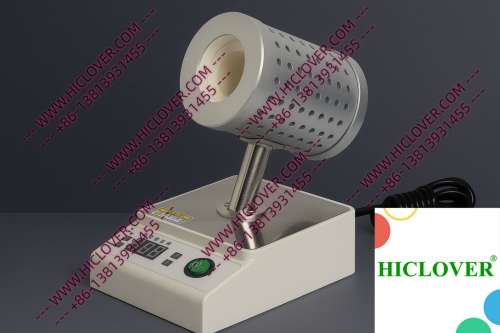
The Micro Incinerator utilizes rapid thermal sterilization through an enclosed ceramic heating chamber that produces infrared high-temperature disinfection. Unlike traditional flame sterilizers, such as alcohol lamps and Bunsen burners, the infrared technology allows for controlled and consistent heating, effectively killing microorganisms and ensuring thorough decontamination of inoculation loops, needles, and other lab instruments.
Key Characteristics of the Micro Incinerator:
- Rapid heating and cooling capabilities for efficient workflow
- Elimination of flame risks, enhancing operator safety
- Compact design suitable for various laboratory environments
- Environmentally friendly, reducing emissions compared to gas flame sterilizers
- Reduction of aerosol risks associated with traditional burners
- Minimizing possible chemical hazards from alcohol fumes
- Ensuring quick turnaround times for sterilization, meeting high-throughput demands
Real-World Applications in Laboratory Settings
Micro Incinerators shine in various laboratory environments, meeting the specific needs of sterilization in modern workflows. Below are two illustrative scenarios where the Infrared Inoculating Loop Sterilizer provides significant benefits.
1. Teaching Laboratories
In educational settings, such as university microbiology labs, teaching students the importance of sterile techniques is paramount. The compact and user-friendly design of the Micro Incinerator fits perfectly within biosafety cabinets, allowing students to perform their inoculations with confidence while maintaining contamination control. The absence of open flames simplifies teaching, as instructors can focus on explaining sterile techniques without the backdrop of flame-related hazards.
2. Field Testing Labs
The portability of Micro Incinerators makes them indispensable for field testing applications where safe and effective sterilization is critical. In remote locations, researchers can operate these devices without the need for electricity or gas, allowing them to perform microbial testing on-site with minimal risk of contamination. This flexibility drastically enhances the efficiency of data collection and analysis in challenging environments.
Compliance and Safety Standards
Adhering to biosafety standards is paramount for laboratory operations. The World Health Organization (WHO) emphasizes the importance of sterilization and contamination control in BSL-2 and BSL-3 settings. Given these protocols, laboratories must ensure they are compliant with stringent sterilization standards, particularly when working with potentially infectious materials. The Micro Incinerator is a clean-bench-safe option that eliminates flame hazards, which are especially concerning in sterile environments.
Moreover, the Micro Incinerator meets contemporary lab sterilization requirements, including:
Comparison: Micro Incinerator vs. Traditional Flame Sterilizers
| Feature | Micro Incinerator | Flame Burning Sterilizers |
|---|---|---|
| Heating Technology | Infrared | Open Flame |
| Risk of Burn | Low | High |
| Emission Control | Minimal | High |
| Operating Environment | Clean benches, field | Requires well-ventilated areas |
Frequently Asked Questions
1. What are the main advantages of using a Micro Incinerator over a Bunsen burner?
Micro Incinerators provide faster sterilization times, greater safety by eliminating flames, and consistent heat for reliable results.
2. Can a Micro Incinerator be used in a cleanroom environment?
Yes, the Micro Incinerator is designed for cleanroom compatibility, ensuring that sterilization does not introduce contaminants.
3. How does the infrared heating technology work in sterilizers?
The infrared heating technology quickly raises the temperature of the instrument to sterilizing levels without the soot and contamination associated with flame sterilizers.
4. Are there any specific training requirements for using the Micro Incinerator?
While the Micro Incinerator is user-friendly, basic training in sterilization techniques and safety procedures is recommended for all users.
5. Is the Micro Incinerator easy to clean and maintain?
Yes, its compact design and durable materials make it easy to clean and maintain, ensuring long-lasting performance.
Conclusion: Elevate Your Laboratory’s Sterilization Standards
The integration of Micro Incinerators in laboratories not only enhances the efficiency of sterilization workflows but also prioritizes safety and compliance with global standards. As laboratories face increasing microbial testing demands, the need for reliable and quick sterilization methods becomes ever more important. If you are considering upgrading your laboratory sterilization equipment, learn more about how the Infrared Inoculating Loop Sterilizer can transform your operations. Contact us today for further details on procurement and support.
Categories:
Tags: