
In today’s fast-paced laboratory environment, the challenges around biosafety and contamination control are paramount. Laboratory professionals face immense pressure to meet sterilization workflow demands while ensuring the safety of personnel and the integrity of research. The emergence of flameless loop sterilizers, particularly the Micro Incinerator or Infrared Inoculating Loop Sterilizer, addresses these concerns head-on, providing rapid thermal sterilization without the hazards associated with traditional flame sterilizers.
Understanding the Technology Behind Flameless Sterilizers
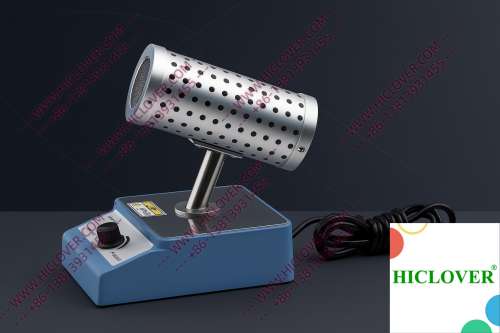
The Micro Incinerator functions using advanced infrared heating technology. By generating high temperatures through an enclosed ceramic tube, it promotes efficient sterilization of inoculating loops and other small instruments. This contact-free method eliminates the risks of open flames and the associated fire hazards, making it an ideal choice for laboratories where contamination control is vital.
Infrared heat has several advantages. It allows for precise temperature control, which is crucial for ensuring effective disinfection while minimizing damage to sensitive equipment. Moreover, the ceramic heating chamber provides a stable thermal environment, enabling rapid heating and cooling cycles that significantly reduce sterilization time compared to traditional alcohol burners and Bunsen burners.
Practical Applications in the Laboratory
The operational versatility of the Micro Incinerator makes it well-suited for various laboratory applications such as:
- Biosafety Cabinets: In BSL-2 and BSL-3 laboratories, where the need for stringent biosafety protocols is critical, the Micro Incinerator enables effective sterilization without risk of flame spread, ensuring a clean and safe working environment.
- Field Testing: Mobile labs and researchers conducting field studies can benefit from the portability of flameless sterilizers. They provide a reliable sterilization solution that doesn’t compromise biosafety in unpredictable environments.
- Teaching Labs: Educational institutions can incorporate micro incinerators into their biology or microbiology courses, demonstrating the principles of aseptic technique and providing students with hands-on experience using modern laboratory equipment.
Compliance and Environment: Meeting Global Standards
Regulatory bodies like the WHO have established stringent biosafety standards to protect laboratory personnel and the environment. The Micro Incinerator aligns with these guidelines by ensuring no open flames are present in controlled environments like clean rooms and biosafety cabinets.
Laboratory sterilization standards specify the need for disinfection processes that maintain the highest levels of safety and efficacy. Traditional flame sterilizers often produce aerosols that can contaminate the surrounding environment. In contrast, the use of a flameless sterilizer eliminates the risk of aerosol generation, enhancing the safety profile within laboratories.
Comparative Analysis: Micro Incinerator vs. Traditional Flame Sterilizers
| Feature | Micro Incinerator | Traditional Flame Sterilizers |
|---|---|---|
| Heating Method | Infrared Heating | Open Flame |
| Safety | No Flame Hazards | Open Flame Risks |
| Temperature Control | Precise and Adjustable | Variable and Imprecise |
| Environmental Risks | None | Aerosol Generation |
| Best Use | Multi-environmental Applications | Traditional Settings |
Frequently Asked Questions
- What are the main benefits of using a Micro Incinerator over traditional flame sterilizers?
The Micro Incinerator provides a safer, flame-free sterilization method, reducing the risks of fire hazards and aerosol contamination while offering precise temperature control. - Can the Micro Incinerator be used in a biosafety cabinet?
Yes, it is designed to be used within biosafety cabinets, contributing to a sterile environment without open flames. - How does the Micro Incinerator achieve rapid thermal sterilization?
It utilizes infrared heat through a ceramic chamber, allowing for faster heating and cooling cycles compared to traditional methods, making it highly efficient. - Are there specific laboratory environments where the Micro Incinerator is particularly recommended?
Yes, it is highly recommended in clinical diagnostics, BSL-2 and BSL-3 labs, educational teaching labs, and mobile field testing labs where safety and compliance are critical. - Is it easy to use and maintain the Micro Incinerator?
Absolutely! Its design makes it user-friendly, and routine maintenance is minimal, ensuring a hassle-free user experience.
Conclusion
As laboratories evolve to meet the increasing demands for biosafety and contamination control, flameless technologies like the Micro Incinerator emerge as indispensable tools in modern sterilization workflows. With its high efficiency, safety features, and compliance with regulatory standards, this infrared inoculating loop sterilizer is transforming laboratory practices. For those looking to enhance their sterilization capabilities, consider investing in a Micro Incinerator today. To learn more or make a purchase inquiry, reach out to us—your path to effective laboratory sterilization starts here!
Categories:
Tags: