
In today’s rapidly evolving healthcare landscape, laboratories face the critical challenge of maintaining stringent biosafety standards while also meeting the demands for swift sterilization processes. Contamination control is paramount, especially in high-stakes environments such as BSL-2 and BSL-3 microbiology labs, where pathogens can pose significant risks. As laboratories work tirelessly to improve workflows, the need for efficient laboratory sterilization equipment has never been more evident. One key player in this transformation is the Micro Incinerator or Infrared Inoculating Loop Sterilizer, which offers rapid thermal sterilization without the drawbacks posed by traditional flame sterilizers.
Technical Principles of Infrared Inoculating Loop Sterilizers
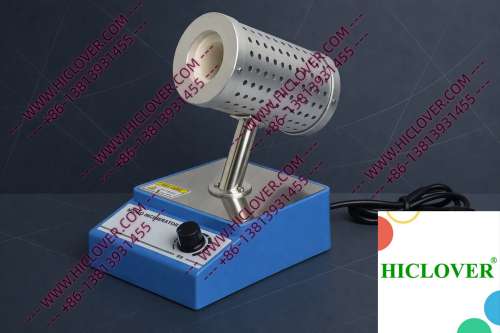
The Micro Incinerator operates on the principle of infrared heat. This innovative design features an enclosed ceramic tube that can achieve high temperatures quickly, often exceeding 800 degrees Celsius in mere seconds. Unlike traditional flame sterilizers, which rely on an open flame, the infrared heating is cleaner, more efficient, and eliminates the risk of accidental burns or uncontrolled fires. The compact configuration and energy efficiency also make the Micro Incinerator an attractive choice for various laboratory applications.
Enhanced Workflow and Safety
In environments like teaching labs or research centers, the sterilization workflow must be both rapid and reliable. Micro Incinerators provide a consistent thermal environment for sterilizing inoculating loops and other instruments, enabling researchers and students to focus on their experiments rather than waiting around for sterilization to occur. Furthermore, the aerosol-free handling of tools reduces the risk of airborne contaminants, enhancing safety for all personnel.
Application Scenarios in Real Labs
Let’s explore two applications where Micro Incinerators make a significant impact:
- Biosafety Cabinets: In BSL-2 labs, biosafety cabinets are a standard feature. The use of a Micro Incinerator within these cabinets aids in maintaining a sterile field, ensuring that all inoculating loops are effectively decontaminated without exposing operators to hazardous pathogens.
- Mobile and Field Testing Labs: In various field settings, researchers assess environmental samples for microbial contamination. The fast heating capabilities of the Micro Incinerator ensure that samples can be processed on-site, minimizing delays and transportation risks.
Advantages Over Traditional Flame Sterilizers
When comparing the Micro Incinerator to traditional sterilizers like alcohol lamps or Bunsen burners, several advantages become apparent:
| Feature | Micro Incinerator | Flame Sterilizers |
|---|---|---|
| Heating Time | Seconds | Minutes |
| Safety | Flame-free | Open flame |
| Aerosol Generation | No | Possible |
| Energy Efficiency | High | Variable |
Compliance with Biosafety Standards
Compliance with international biosafety and sterilization standards is non-negotiable in laboratory settings. The World Health Organization (WHO) stipulates robust guidelines for laboratory sterilization protocols to mitigate risks associated with biological agents. Given that traditional flame sterilizers can create challenges in clean rooms and other controlled environments (due to the open flames), the Micro Incinerator presents a compliant and safe alternative. Its design conforms to numerous lab sterilization standards, ensuring peace of mind for safety officers and lab managers alike.
Regional Considerations
Geographical variations in laboratory regulations also impact equipment choice. For example, laboratories in cities like Berlin or San Francisco may enforce stricter biosafety compliance compared to other regions. The adaptability of the Micro Incinerator makes it a suitable choice in diverse regulatory landscapes, helping labs stay compliant while enhancing operational efficiency.
FAQs
- How does the Micro Incinerator enhance safety in laboratory settings?
The Micro Incinerator eliminates the risk of open flames, reducing potential fire hazards and keeping the workspace secure from accidental burns or exposure to fumes.
- What materials can be sterilized using this device?
It is designed to sterilize inoculating loops, metal tools, and other heat-resistant devices used in microbiology and clinical diagnostics.
- Is the Micro Incinerator suitable for BSL-3 labs?
Yes, its enclosed design and rapid sterilization capabilities make it an excellent choice for BSL-3 environments.
- How does the energy efficiency of the Micro Incinerator compare to traditional methods?
The Micro Incinerator requires less energy and operates faster than traditional flame sterilizers, making it a more sustainable option.
- Can the Micro Incinerator be used in field testing labs?
Absolutely. Its compact size and rapid heating make it ideal for quick sterilization on-site without the need for a laboratory setting.
Conclusion
As the demands of modern healthcare and laboratory efficiency continue to grow, investing in a Micro Incinerator or Infrared Inoculating Loop Sterilizer becomes increasingly essential. With its rapid thermal sterilization capabilities, safety enhancements, and compliance with stringent biosafety protocols, this device stands out as a critical component in ensuring contamination control. Contact us today to explore how our sterilization solutions can elevate your lab’s safety and efficiency.
Categories:
Tags: