
In today’s fast-paced research environment, laboratory biosafety challenges demand efficient and reliable sterilization workflows. Achieving rapid thermal sterilization in sterilization practices is essential for maintaining contamination control and ensuring accurate results. This is where infrared sterilizers, particularly the Micro Incinerator or Infrared Inoculating Loop Sterilizer, come into play, offering unparalleled advantages compared to traditional flame sterilizers.
Understanding the Technical Principles of Infrared Sterilizers
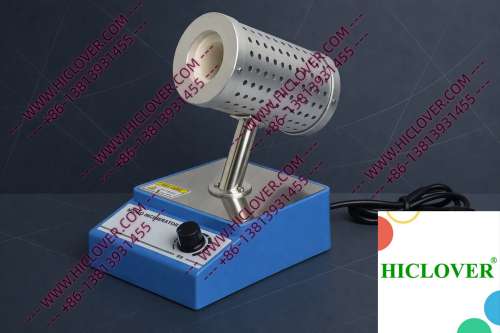
The Micro Incinerator uses infrared heat generated within an enclosed ceramic tube, enabling high-temperature disinfection in a safe and controlled manner. Unlike traditional alcohol lamps or Bunsen burners, which rely on flames and can compromise sterile environments, this innovative device ensures a clean-bench-safe atmosphere, critical in laboratory settings such as BSL-2 and BSL-3 microbiology labs.
Comparative Analysis: Infrared Sterilizers vs. Traditional Flame Sterilizers
| Feature | Infrared Sterilizer (Micro Incinerator) | Traditional Flame Sterilizers (Alcohol Lamp, Bunsen Burner) |
|---|---|---|
| Heat Source | Infrared heat | Open flame |
| Time to Temperature | Instantaneous heating | Variable, dependent on fuel |
| Contamination Risk | Minimal | Higher due to open flame |
| Space Requirements | Compact design | Larger setup with ventilation needs |
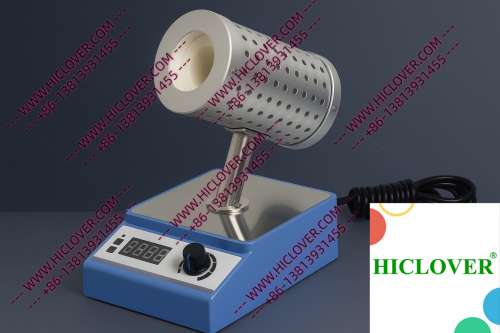
Real-World Applications of Infrared Sterilizers
Biosafety Cabinets
Infrared sterilizers excel in biosafety cabinets, where maintaining a sterile environment is paramount. In a clinical diagnostics lab, for example, technicians regularly use the Micro Incinerator to sterilize inoculating loops and other tools, ensuring that microbial samples are handled without the risk of cross-contamination.
Field Testing Scenarios
These sterilizers also shine in mobile or field testing labs, where traditional sterilization methods can be impractical. Researchers conducting environmental studies or clinical trials can rely on the Infrared Inoculating Loop Sterilizer for rapid sterilization, ensuring that they adhere to strict biosafety protocols even in remote locations.
Compliance and Environmental Considerations
Compliance with WHO biosafety standards and laboratory sterilization protocols is critical in any research facility. Infrared sterilizers are designed to meet and exceed these stringent requirements. They provide an eco-friendly alternative to traditional methods, generating no aerosols and eliminating the hazards associated with flames in clean rooms. This not only protects laboratory personnel but also enhances the overall safety of the laboratory environment.
Why Choose Infrared Sterilizers?
The adoption of infrared sterilization technology marks a significant shift in laboratory practices. The advantages include:
- Rapid thermal sterilization: Immediate heat-up times enhance workflow and efficiency.
- Contamination control: Minimizes the risk of airborne contaminants.
- Safety: No flames mean reduced fire hazards in sensitive environments.
- Versatility: Suitable for various applications, from clinical to research labs.
Frequently Asked Questions (FAQs)
What makes the Micro Incinerator different from traditional sterilizers?
The Micro Incinerator uses infrared heat, providing instantaneous sterilization without the risks associated with open flames, making it safer and more efficient.
Can the Infrared Inoculating Loop Sterilizer be used in teaching labs?
Absolutely! It is ideal for university teaching labs as it enhances safety and demonstrates modern sterilization techniques to students.
How does infrared sterilization comply with WHO standards?
Infrared sterilizers are designed to operate without creating aerosols and meet strict biosafety standards, thereby adhering to WHO guidelines for safe laboratory practices.
Are there any energy efficiency benefits with infrared sterilizers?
Yes, infrared sterilizers use less energy than traditional flame sterilizers due to their efficient heating mechanisms, making them a more sustainable choice.
What sizes or configurations are available for Micro Incinerators?
Micro Incinerators come in various sizes, catering to different laboratory needs, from compact personal units for individual users to larger models for group settings.
Conclusion
Integrating infrared sterilization into laboratory protocols enhances biosafety and efficiency dramatically. The Micro Incinerator represents a paradigm shift in how we approach sterilization in clinical diagnostics, teaching labs, and research facilities. For those ready to embrace the future of laboratory sterilization, contact us today to explore our range of high-quality sterilization equipment tailored to your laboratory needs!