
In modern laboratory settings, professionals face myriad biosafety challenges and increased demands for effective sterilization workflows. With stricter regulations and a growing emphasis on sustainable practices, laboratories must adapt to new technologies that can ensure both efficiency and compliance. High-efficiency Micro Incinerators, particularly the Infrared Inoculating Loop Sterilizers, arise as a solution that addresses these challenges head-on, offering an innovative approach to contamination control and waste reduction.
Understanding Technical Principles and Design
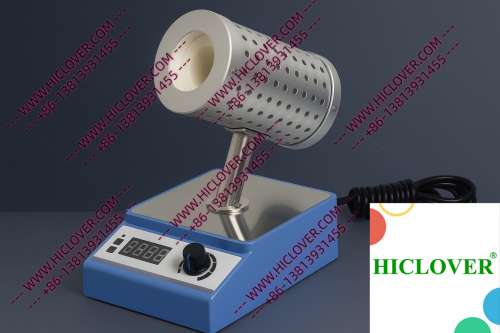
The core functionality of high-efficiency Micro Incinerators lies in their advanced infrared heat technology. Unlike traditional flame sterilizers such as alcohol lamps and Bunsen burners, which present risks like unwanted aerosols and flame accidents, Micro Incinerators utilize an enclosed ceramic heating chamber. This design provides a focused and intense heat source that allows for rapid thermal sterilization of inoculating loops and other tools typically used in a lab setting.
Infrared heat is exceptionally effective at destroying biological materials, operating at high temperatures that can efficiently eliminate pathogens without generating harmful emissions. The configuration includes a compact design that fits seamlessly into biosafety cabinets, making it ideal for environments where cleanliness is paramount.
Application Scenarios in Real Labs
1. BSL-2 and BSL-3 Microbiology Labs
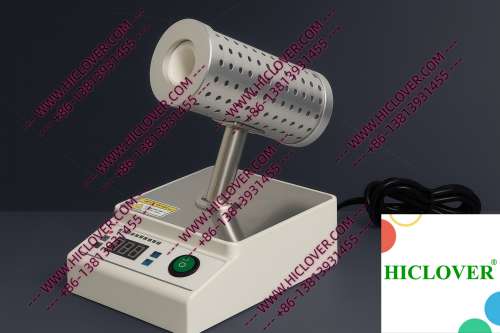
In Biosafety Level (BSL)-2 and BSL-3 laboratories, stringent protocols necessitate robust sterilization practices. High-efficiency Micro Incinerators can be strategically placed within biosafety cabinets, allowing laboratory technicians to sterilize inoculating loops swiftly before and after microbial sample handling. This practice minimizes the risk of cross-contamination, ensuring the integrity of research while adhering to compliance standards.
2. University Teaching Labs
University teaching labs often incorporate a variety of sterilization techniques in training modules for students. Using Micro Incinerators not only emphasizes the principles of clean-bench-safe sterilization practices but also showcases modern advancements in laboratory equipment. Students can observe the rapid thermal sterilization process in action, reinforcing the importance of proper waste management and contamination control in real-world applications.
Compliance with LAB Sterilization Standards
Global organizations like the World Health Organization (WHO) provide guidelines on laboratory biosafety, emphasizing the necessity for effective sterilization methods in laboratory environments. Compliance with these standards is vital not just for research integrity, but also for public health.
Moreover, laboratories utilizing Micro Incinerators benefit from meeting the strict requirements of cleanroom operations, as they produce no open flames, reducing risks associated with traditional flame sterilizers. This is particularly beneficial in sensitive environments such as clinical diagnostics and CO2 incubators.
Comparison Table: Micro Incinerator vs. Flame Burners
| Feature | Micro Incinerator | Flame Burners |
|---|---|---|
| Method of Sterilization | Infrared Heat | Open Flame |
| Risk of Aerosols | No | Yes |
| Heating Time | Rapid | Variable |
| Energy Efficiency | High | Low |
| Environmental Safety | Clean, No Emissions | Produces Combustion Byproducts |
Why Micro Incinerators Are the Future of Laboratory Sterilization
As more laboratories adopt sustainable practices, the transition to high-efficiency Micro Incinerators not only meets sterilization needs but also aligns with environmental goals. The reduced energy consumption and elimination of harmful waste introduce a new paradigm for laboratory operations, significantly contributing to waste reduction efforts.
Frequently Asked Questions (FAQs)
- What types of laboratories benefit from Micro Incinerators?
BSL-2 and BSL-3 laboratories, clinical diagnostics, research centers, and teaching labs are key environments where Micro Incinerators prove beneficial. - How does infrared sterilization compare to traditional flame methods?
Infrared sterilization is faster, cleaner, and minimizes aerosols, providing a safer work environment than traditional flame methods. - Are Micro Incinerators compliant with WHO biosafety standards?
Yes, they meet and often exceed the requirements set by international biosafety guidelines, ensuring laboratory safety. - Can Micro Incinerators serve in mobile or field-testing labs?
Absolutely! Their compact design makes them ideal for field applications where sterilization is critical. - What maintenance is required for a Micro Incinerator?
Minimal maintenance is needed; regular cleaning of the ceramic tube and periodic checks on the electrical system ensure optimal performance.
Conclusion
High-efficiency Micro Incinerators, specifically the Infrared Inoculating Loop Sterilizers, represent a leap forward in laboratory sterilization technology. With an emphasis on compliance, safety, and sustainability, these innovative devices are poised to become integral components of modern laboratory best practices. By investing in a Micro Incinerator, laboratories can enhance their sterilization workflows while supporting environmental stewardship. For more information or to explore purchasing options, please contact us today!
Categories:
Tags: