
As modern laboratories continue to face growing biosafety challenges, effective sterilization of tools and instruments is paramount. From clinical diagnostics to educational settings, laboratory workflows demand swift and reliable sterilization methods that not only maintain safety but also contribute to environmental sustainability. This is where micro incinerators, particularly the Micro Incinerator or Infrared Inoculating Loop Sterilizer, come into play.
Practical Laboratory Biosafety Challenges
Laboratories, especially those working under biosafety levels BSL-2 and BSL-3, encounter various hazards that necessitate rigorous contamination control. The traditional methods of sterilization, while effective, often release harmful fumes and aerosols that compromise the sterile environment. Moreover, using alcohol lamps or Bunsen burners poses a significant risk of fire hazards, particularly in clean rooms or sensitive laboratory areas.
Technical Principles of Micro Incinerators
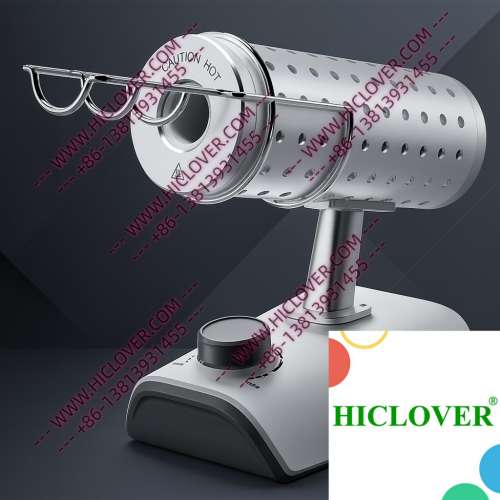
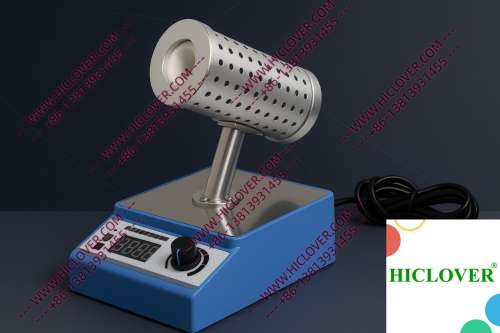
Micro incinerators operate on innovative principles that ensure rapid thermal sterilization. Utilizing infrared heat, the devices achieve high temperatures through a ceramic heating chamber, which allows for precise control of the sterilization process without the risks associated with open flames.
These sterilizers feature an enclosed ceramic tube where inoculating loops or other small laboratory instruments can be placed. The thermal energy is emitted uniformly, providing consistent results in disinfection. Unlike traditional flame sterilizers, micro incinerators avoid the introduction of unwanted aerosols into the laboratory environment, maintaining an intact clean-bench safety.
Applications in Real Laboratories
Biosafety Cabinet Operations
In modern BSL-2 and BSL-3 microbiology labs, the introduction of micro incinerators allows scientists to perform sterile work without compromising the biosafety cabinet’s controlled environment. These sterilizers can be installed as part of an integrated setup to ensure that tools are efficiently sterilized without disrupting airflow, thus enhancing contamination control.
Field Testing Scenarios
Micro incinerators also find significant utility in mobile or field testing labs, where conditions may not permit the use of traditional sterilization methods. Doctors or field researchers can utilize them in remote locations, ensuring that instruments remain sterile even in lack of laboratory infrastructure.
Compliance and Environmental Standards
Compliance with global lab sterilization standards is essential for ensuring public safety and scientific integrity. The World Health Organization (WHO) promotes stringent biosafety practices, advocating for solutions that mitigate risks associated with biological agents. Employing micro incinerators aligns with these standards by eliminating the need for open flames and dramatically reducing emissions in clean room environments.
- WHO Biosafety Guidelines: Following guidelines ensures safety during microbiological research.
- Lab Sterilization Standards: Micro incinerators facilitate compliance with ISO and ANSI standards.
- No Flame in Clean Rooms: Essential for maintaining clean environments, avoiding contaminant introduction.
An Overview: Micro Incinerator vs. Traditional Flame Sterilizers
| Feature | Micro Incinerator | Flame Sterilizers |
|---|---|---|
| Temperature Control | Precise infrared heat | Variable, depending on flame size |
| Risk of Contamination | Aerosol-free handling | High risk due to aerosol production |
| Environmental Impact | Eco-friendly | Potential harmful emissions |
| Safety | No open flame | Fire hazard in sensitive areas |
FAQs about Micro Incinerators
What makes micro incinerators eco-friendly?
Micro incinerators use infrared technology that eliminates the need for open flames, reducing environmental pollutants and ensuring safer operations in various laboratory settings.
Can micro incinerators be used in teaching labs?
Yes, they are particularly suited for educational institutions where safe, effective, and flame-free sterilization is crucial for maintaining laboratory safety.
How do micro incinerators ensure compliance with biosafety standards?
Micro incinerators adhere to WHO biosafety recommendations by providing an effective and safe means to sterilize instruments without introducing aerosols that could compromise the laboratory environment.
Are micro incinerators portable?
Many models of micro incinerators are designed for portability, making them ideal for field testing labs that require efficient sterilization solutions on the go.
What types of instruments can be sterilized using a micro incinerator?
Micro incinerators are suitable for sterilizing various laboratory instruments, including inoculating loops, scalpels, and forceps, ensuring they are free from contaminants before use.
Conclusion
As laboratories across diverse fields seek to enhance sterilization workflows while prioritizing safety and compliance, micro incinerators emerge as a valuable asset. Their efficiency, eco-friendliness, and adherence to critical biosafety standards make them a preferred choice over traditional flame sterilizers. If you are looking to upgrade your sterilization processes or ensuring compliance within your facility, now is the time to explore the benefits of micro incinerators. Contact us today to learn more about our high-quality sterilization equipment tailored for your laboratory needs.
Categories:
Tags: