
As the demand for rigorous contamination control increases in laboratories, professionals face significant biosafety challenges. The safe handling and decontamination of laboratory instruments have never been more critical. In this context, the evolution of sterilization technology has ushered in solutions like the Micro Incinerator or Infrared Inoculating Loop Sterilizer. This device redefines sterilization workflows in a variety of settings, from BSL-2 microbiology labs to university teaching facilities.
Understanding Infrared Sterilization Technology
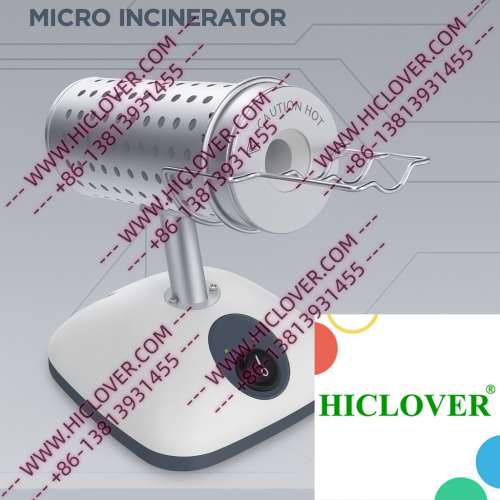
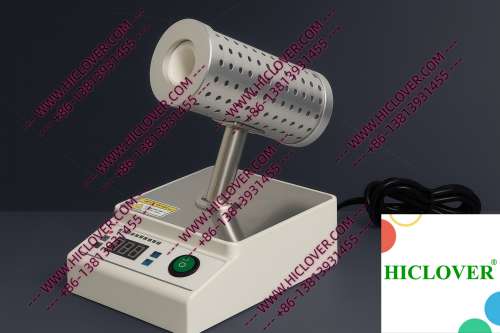
The Micro Incinerator utilizes advanced infrared heat technology to achieve rapid thermal sterilization. The core of this innovative device is an enclosed ceramic tube that can reach extremely high temperatures safely and quickly, providing a controlled and effective sterilization environment. Unlike traditional flame-based methods like Bunsen burners or alcohol lamps, infrared sterilizers eliminate the risk of open flames and the associated hazards of aerosol transmission.
Key Features of the Micro Incinerator
- High-Temperature Disinfection: Capable of reaching temperatures above 800°C, ideal for decontaminating inoculating loops effectively.
- Clean-Bench-Safe: Eliminates the need for flame, making it suitable for use in cleanrooms and biosafety cabinets.
- Aerosol-Free Handling: Reduced risk of airborne contaminants improves safety in labs.
- Rapid Heat Recovery: Designed for continuous operation, enhancing efficiency in high-throughput environments.
- Energy Efficiency: The infrared heating system consumes less power compared to traditional flame-based alternatives.
Application Scenarios in Laboratories
1. University Teaching Labs
In academic settings, students and instructors often require safe and effective sterilization tools for microbiology experiments. The Micro Incinerator serves as an excellent teaching aid, combining usability with safety. Its high-temperature capabilities provide students with the knowledge and practice of rigorous sterilization techniques without the risks associated with flame sterilizers. This is especially important in BSL-2 labs, where students are exposed to potentially pathogenic microorganisms.
2. Clinical Diagnostics and Field Testing
In clinical diagnostic labs, time and safety are paramount. The ease of use of the Micro Incinerator significantly streamlines workflows in clinical environments, enabling rapid sterilization that meets strict compliance standards. Additionally, in field testing scenarios, such as those undertaken in rural public health missions, the portable design and efficiency of the device allow health workers to maintain biosafety protocols even in the most challenging conditions.
Compliance with Biosafety Standards
Compliance with international biosafety standards, such as those set forth by the World Health Organization (WHO), is critical for laboratories handling pathogens. The Micro Incinerator’s design aligns perfectly with these standards, facilitating adherence to lab sterilization protocols without the risks associated with open flames. Notably, the absence of flame makes it particularly suitable for use in cleanrooms, where any source of contamination can be detrimental.
“Adopting sensor-controlled loop sterilizers like the Micro Incinerator is not just a safety measure; it’s a commitment to best practices in laboratory operations.”
Comparative Overview: Micro Incinerators vs. Traditional Flame Sterilizers
| Feature | Micro Incinerator | Flame Sterilizers |
|---|---|---|
| Operational Safety | No open flame, reduced risk of fire | Open flame, higher risk of accidents |
| Heat Recovery Time | Rapid, continuous operation | Variable, dependent on flame control |
| Energy Consumption | Lower power use | Higher fuel consumption |
| Temperature Control | Precise and adjusted via sensors | Dependent on user expertise |
Frequently Asked Questions
What types of labs can benefit from using the Micro Incinerator?
The Micro Incinerator is ideal for various laboratories, including BSL-2 and BSL-3 microbiology labs, clinical diagnostics, university teaching labs, and even mobile or field testing scenarios.
How does the infrared heating technology actually work?
The infrared heating system generates thermal energy within a ceramic tube, allowing for rapid heating and effective sterilization without producing flames or aerosols.
Are there specific guidelines for using the Micro Incinerator in cleanroom environments?
Yes, following lab sterilization standards and biosafety protocols is essential when using the Micro Incinerator in cleanrooms to ensure that contamination risks are minimized.
What maintenance is required for the Micro Incinerator?
Regular inspection of the heating element and periodic cleaning of the ceramic tube are recommended to maintain optimal performance and safety.
Can the Micro Incinerator be used in mobile healthcare units?
Absolutely! Its portable design makes it highly suitable for use in mobile healthcare missions and field testing, enhancing biosafety on the go.
Conclusion
In the ever-evolving landscape of laboratory safety and efficiency, the Micro Incinerator / Infrared Inoculating Loop Sterilizer represents a significant advancement. By prioritizing rapid sterilization and user safety, it meets the rigorous demands of modern healthcare environments. If you are interested in enhancing your laboratory’s sterilization capabilities or exploring more about this innovative technology, please don’t hesitate to reach out for a consultation or to discuss purchasing options. Your journey toward a safer, more efficient laboratory begins here.
Categories:
Tags: