
As laboratories across Tanzania strive to maintain high standards of safety and biosafety compliance, the challenges of effective waste disposal persist. Laboratory workers face a myriad of operational demands, particularly in accessibility-challenged areas where traditional waste management strategies frequently fail. The need for efficient, portable, and compliant sterilization solutions has prompted initiatives to introduce micro incinerators, specifically the Micro Incinerator / Infrared Inoculating Loop Sterilizer, designed to meet the unique specifications of these environments.
Technical Principles Behind Micro Incinerators
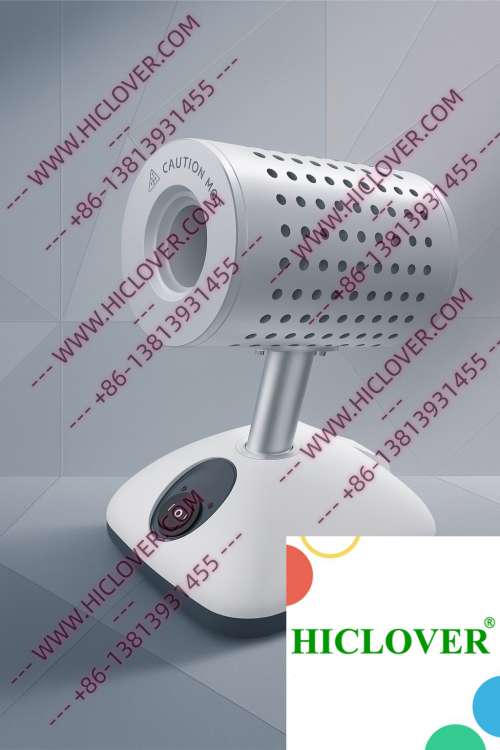
The Micro Incinerator operates on the principle of rapid thermal sterilization through infrared heat. Unlike traditional flame sterilizers such as Bunsen burners or alcohol lamps, which can pose fire hazards in cleanrooms, the micro incinerator utilizes a closed ceramic tube to achieve high temperatures safely and accurately. This enclosed design minimizes the risk of environmental contamination while ensuring efficient sterilization of laboratory tools and biologics.
This innovative design features infrared heating elements that can reach temperatures upwards of 800°C within minutes, allowing for the rapid disinfection of inoculating loops, pipette tips, and other instruments. The technology provides an aerosol-free method of sterilization which is notably crucial in biosafety cabinet setups and other sensitive laboratory environments.
Application Scenarios in Real Laboratories
- Biosafety Cabinets: In BSL-2 and BSL-3 microbiology labs, the Micro Incinerator serves as an effective tool for sterilizing equipment without introducing particulates or flames into the controlled environment. The capacity to handle a variety of tools makes it suitable for labs focused on pathogen research.
- Field Testing Laboratories: Mobile labs operating in remote areas benefit significantly from micro incinerators. In regions where waste disposal regulations are strict, and access to sanitary services is limited, portable sterilization equipment provides essential support for field research, ensuring compliance with health regulations.
- University Teaching Labs: Educational institutions utilize the Micro Incinerator in various teaching laboratories where students learn about sterilization techniques and contamination control methods. The benefits of utilizing infrared heat over traditional methods not only foster a safer learning environment but also enrich the educational experience.
- What is the primary function of a Micro Incinerator?
It is designed primarily for sterilizing laboratory tools and other equipment using rapid thermal sterilization through infrared heat. - How does the Micro Incinerator ensure biosafety compliance?
By providing a flame-free and aerosol-free method of sterilization, it aligns with WHO standards and other laboratory sterilization best practices. - Can the Micro Incinerator be used in field settings?
Yes, its portability and efficient waste disposal capabilities make it ideal for mobile laboratories and field testing environments. - What are the key benefits of using infrared sterilization compared to traditional methods?
Infrared sterilization offers precise temperature control, greater safety, reduced contamination risks, and ease of use in sterile environments. - Is the Micro Incinerator suitable for educational purposes?
Absolutely. It is an excellent resource for teaching labs, demonstrating modern sterilization techniques without the risks associated with flame-based methods.
Compliance and Environmental Considerations
As part of the WHO biosafety guidelines, laboratories are encouraged to adopt sterilization techniques that minimize risks of contamination while adhering to local and international sterilization standards. This is particularly pertinent in settings such as Tanzania, where healthcare and laboratory operations face scrutiny amidst rising public health challenges. The Micro Incinerator’s design complies with the necessary biosafety requirements for cleanroom operations, particularly where no flame sterilization is permissible. By replacing traditional flame sterilizers with modern micro incinerators, labs not only fulfill regulatory compliance but also enhance overall safety by reducing the potential for fires and aerosols.
Advantages Over Traditional Flame Sterilizers
| Feature | Micro Incinerator | Flame Burners |
|---|---|---|
| Temperature Control | Precise and rapid heating | Variable and less consistent |
| Safety | Flame-free operation | Fire hazard, requires constant observation |
| Portability | Compact and mobile | Less mobile due to fuel source |
| Aerosol Control | Minimized aerosol production | Higher risk of aerosol spread |
Frequently Asked Questions
Conclusion: The Future of Laboratory Waste Management in Tanzania
The integration of Micro Incinerators in Tanzania’s laboratory waste disposal strategies signifies a forward leap in biosafety, compliance, and waste management efficiency. With the potential to revolutionize sterilization practices in laboratories ranging from clinical diagnostics to educational institutions, investing in this technology not only enhances operational capabilities but also promotes public health across the nation. For laboratories aiming to improve their sterilization workflow and overall safety standards, exploring options for acquiring the Micro Incinerator is a step toward a sustainable and effective future. Contact us for more information on how to enhance your laboratory operations.
Categories:
Tags: