
Laboratories around the world face significant challenges in biosafety management and sterilization workflow efficiency. Whether in clinical diagnostics, microbiology labs, or university teaching environments, maintaining contaminant-free spaces while adhering to strict safety protocols is paramount. Traditional methods such as Bunsen burners or alcohol lamps often present limitations, including open flames, aerosols, and inefficient waste disposal practices, necessitating the adoption of innovative technologies like the Micro Incinerator, specifically designed for precision sterilization.
Understanding the Micro Incinerator
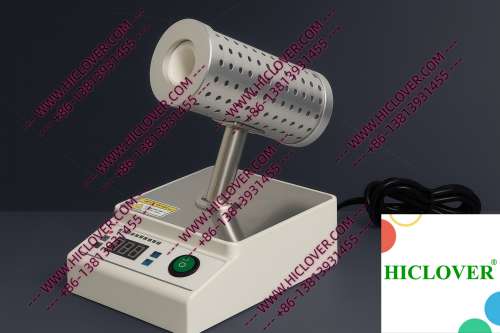
The Micro Incinerator, also known as the Infrared Inoculating Loop Sterilizer, employs advanced thermal sterilization principles through infrared heat. This technology utilizes an enclosed ceramic heating chamber that reaches high temperatures rapidly, enabling instant sterilization of inoculating loops without the use of open flames. The device operates at temperatures exceeding 800°C, ensuring complete disinfection within seconds and eliminating the risk of aerosol formation often associated with traditional flame methods.
Technical Features of the Micro Incinerator
The Micro Incinerator stands out in sterilization equipment due to its:
- Aerosol-free handling: Eliminates the risk of contamination through airborne particles.
- Rapid thermal sterilization: Achieves optimal sterilization in less than 10 seconds.
- Compact design: Easy to integrate into various laboratory settings, including biosafety cabinets.
- Energy efficiency: Uses less power compared to traditional flame sterilizers.
- Easy maintenance: Designed for longevity and ease of cleaning to maintain performance.
- What is a Micro Incinerator?
The Micro Incinerator is a specialized sterilization device that utilizes infrared heat to rapidly sterilize inoculating loops and other lab tools without open flames.
- How does it differ from traditional methods?
Unlike Bunsen burners or alcohol flames, the Micro Incinerator ensures aerosol-free sterilization, precise temperature control, and energy efficiency.
- Where can it be used?
This device is suitable for use in BSL-2 and BSL-3 labs, field testing labs, and teaching laboratories.
- Is it compliant with laboratory standards?
Yes, the Micro Incinerator complies with WHO biosafety standards and is ideal for clean room settings due to its flameless design.
- How quickly can it sterilize?
The Micro Incinerator can achieve complete sterilization in less than 10 seconds.
Application Scenarios for the Micro Incinerator
1. BSL-2 Microbiology Laboratories
In biosafety level 2 (BSL-2) labs, the Micro Incinerator plays a crucial role in ensuring laboratory safety and contamination control. Researchers frequently use inoculating loops for culture transfers, which require sterilization between uses. The Micro Incinerator’s rapid cycle allows for seamless workflows without the need to step outside the biosafety cabinet, maintaining a closed environment to ensure that pathogens are contained while disinfecting equipment.
2. Field Testing Laboratories
Field testing for clinical diagnostics often involves scenarios where laboratory conditions are not optimal. The portability and efficient operation of Micro Incinerators make them an invaluable tool in these settings. Field researchers can sterilize their instruments in remote locations without the constraints and hazards of flame-based sterilizers, ensuring that samples remain uncontaminated while upholding safety standards.
Compliance and Environmental Concerns
Adherence to biosafety regulations is non-negotiable in laboratory settings. The World Health Organization (WHO) recommends strict protocols for laboratory sterilization, emphasizing the importance of methods that do not contribute to contamination risk. The Micro Incinerator aligns with standards set forth in various sterilization guidelines, including those for BSL-2 and BSL-3 environments. Furthermore, its enclosed design and flameless operation make it compliant with clean-room requirements, reducing the potential for particulate emissions.
In addition to meeting safety regulations, using the Micro Incinerator contributes to sustainable waste management practices. By eliminating the need for alcohol swabs and flame-based methods, laboratories can significantly reduce their carbon footprint and health risks associated with chemicals.
Micro Incinerator vs. Traditional Flame Sterilizers
Comparison Table:
| Feature | Micro Incinerator | Flame Sterilizers |
|---|---|---|
| Aerosol Risk | None | High |
| Temperature Control | Precise | Variable |
| Energy Consumption | Low | High |
| Maintenance | Easy | High |
| Space Efficiency | Compact | Bulky |
Frequently Asked Questions
Conclusion
Adopting an efficient waste reduction approach in laboratories can significantly enhance biosafety and overall workflow. By investing in a Micro Incinerator / Infrared Inoculating Loop Sterilizer, laboratories can improve their disinfection practices while complying with high safety standards. To explore how this state-of-the-art sterilization equipment can be integrated into your laboratory needs, contact us today for more information or to make a purchase.
Categories:
Tags: