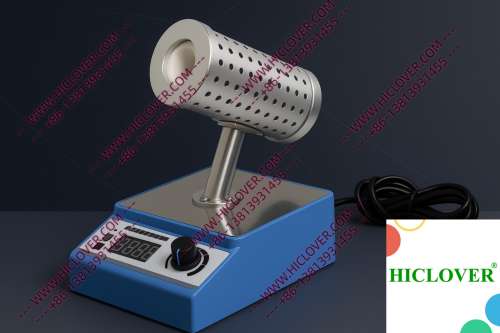
In today’s rapidly advancing scientific landscape, laboratories face increasing biosafety challenges that demand effective sterilization protocols. The need for streamlined sterilization workflows is critical, particularly in environments such as BSL-2 and BSL-3 microbiology labs, clinical diagnostics, and university teaching laboratories. These settings require reliable methods to ensure contamination control and the safety of lab personnel. One highly effective solution is the use of Micro Incinerators, particularly the Infrared Inoculating Loop Sterilizer, which addresses these very challenges.
Technical Principles: How Micro Incinerators Work
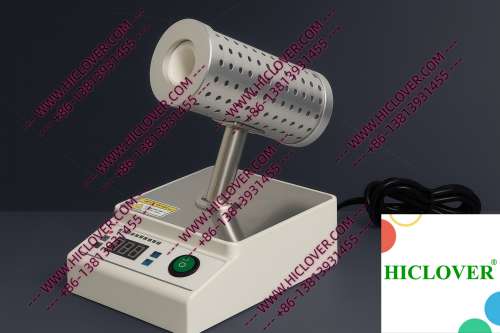
Micro Incinerators operate on a core technical principle of rapid thermal sterilization using infrared heat. The device features a unique enclosed ceramic heating chamber that enables high-temperature disinfection without the need for open flames. When powered on, this innovative system generates intense infrared radiation, effectively eliminating microbial contaminants on inoculating loops, needles, and other laboratory tools.
The enclosed nature of the ceramic tube prevents the emission of noxious fumes, a significant advantage when compared to traditional flame sterilizers such as alcohol lamps or Bunsen burners, which may pose fire hazards and produce aerosols. This design not only makes the Micro Incinerator safer for the operator but also enhances the reliability of sterilization processes across various laboratory environments.
Application Scenarios in Real Laboratories
Biosafety Cabinets
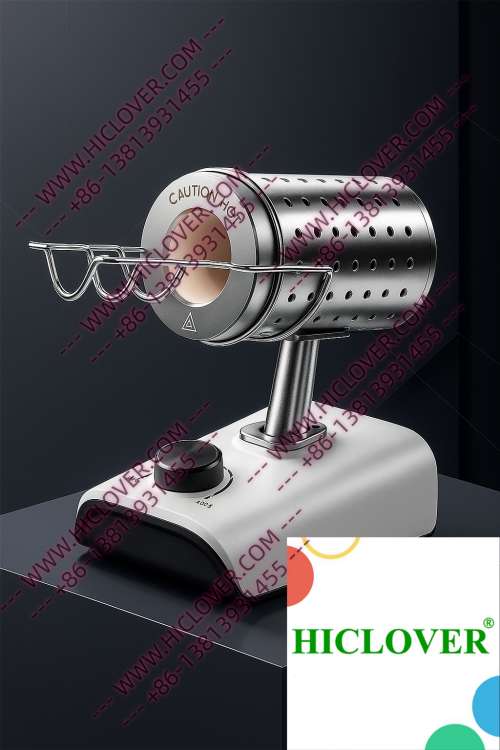
In a BSL-2 laboratory, the use of a Micro Incinerator provides a safe method for sterilizing inoculating loops and tools inside a biosafety cabinet. By integrating with existing workflows, lab technicians can quickly achieve aerosol-free handling and minimize cross-contamination while maintaining a clean environment.
Clinical Diagnostics
In clinical diagnostic laboratories, the need for rapid sterilization is crucial to maintaining workflow efficiency. For instance, during microbiological culturing, the Infrared Inoculating Loop Sterilizer can be employed to ensure that loops are sterilized between streaking samples. This ensures precise results and enhances biosafety adherence protocols.
Compliance and Environmental Considerations
Laboratory sterilization methods are governed by stringent guidelines set by organizations such as the WHO and various national health agencies. The Micro Incinerator aligns with these compliance standards by eliminating flame hazards, which can be detrimental in clean rooms. The absence of an open flame is critical in environments where volatile substances may be present, such as CO₂ incubators or anaerobic chambers.
Furthermore, the Infrared Inoculating Loop Sterilizer not only supports compliance with biosafety regulations but also reduces the environmental impact associated with the disposal of hazardous waste. By producing minimal residue and minimizing the risk of infectious material escape, these systems embody responsible laboratory practices.
Advantages Over Traditional Flame Sterilizers
When considering sterilization options, the advantages of a Micro Incinerator become evident:
- No flames or flammable materials are required
- Faster sterilization times due to infrared technology
- Enhanced safety in cleanroom environments
- Reduced risk of aerosol generation and cross-contamination
- Compact and portable design suitable for various lab settings
| Feature | Micro Incinerator | Traditional Flame Sterilizer |
|---|---|---|
| Heat Source | Infrared | Open Flame |
| Safety | Low risk of fire | High risk of fire |
| Workflow Efficiency | Rapid | Slower, dependent on flame |
| Environmental Impact | Minimal fumes | Potentially hazardous emissions |
Frequently Asked Questions (FAQs)
- What is the main advantage of using a Micro Incinerator over a Bunsen burner?
Micro Incinerators provide rapid sterilization without the risks associated with flames, such as fire hazards and toxic fumes. - Can a Micro Incinerator be used in a BSL-3 lab?
Yes, they are suitable for BSL-2 and BSL-3 labs as they meet strict biosafety and contamination control standards. - How quickly does the Infrared Inoculating Loop Sterilizer work?
The device can sterilize tools in seconds, maximizing efficiency in laboratory operations. - Are Micro Incinerators compliant with WHO sterilization guidelines?
Yes, they align with WHO standards for biosafety and sterilization practices in laboratory settings. - Is the Micro Incinerator easy to maintain?
Absolutely! The enclosed design minimizes the need for extensive maintenance and cleaning.
Conclusion
In conclusion, Micro Incinerators, particularly Infrared Inoculating Loop Sterilizers, represent a significant advancement in laboratory sterilization technology. By addressing common biosafety challenges and improving workflow efficiency, these devices offer a safer, faster, and more environmentally friendly alternative to traditional flame sterilizers. Laboratories looking to enhance their operational procedures and ensure compliance with regulatory standards should consider integrating these efficient waste solutions into their sterilization protocols. For more information on how to procure an Infrared Inoculating Loop Sterilizer, please do not hesitate to reach out!
Categories:
Tags: