
In today’s laboratory environments, biosafety challenges continue to evolve, necessitating efficient sterilization workflows that not only meet stringent safety standards but are also practical for everyday use. Whether in clinical diagnostics, university teaching labs, or BSL-2/BSL-3 microbiology labs, traditional flame sterilizers such as alcohol lamps and Bunsen burners can introduce contamination risks and are often less efficient. Enter the Micro Incinerator / Infrared Inoculating Loop Sterilizer — a modern solution that combines effectiveness with safety.
Understanding the Technical Principles
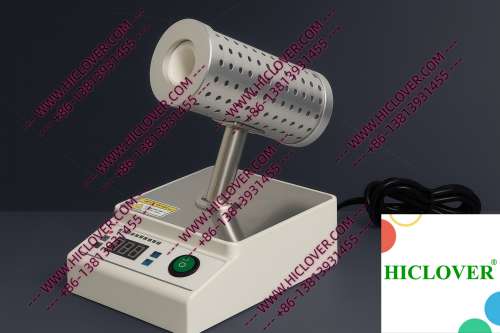
The core functionality of the Micro Incinerator lies in its use of infrared heat, which offers rapid thermal sterilization while minimizing contamination risks. Unlike conventional flame-based methods, which can generate aerosols and require open flames, this sterilizer employs a ceramic heating chamber. The enclosed design not only protects the user from accidental ignition but also ensures that instruments are heated evenly and effectively.
- Designed for sterilization of inoculating loops, needles, and other heat-resistant instruments
- Operates at an optimal temperature, ensuring rapid sterilization without damaging the tools
- Features a simple on/off switch for immediate operation, ideal for fast-paced lab environments
Practical Applications in Real Labs
Case 1: Clinical Diagnostics in a BSL-2 Lab
In a clinical diagnostics laboratory, where pathogens can be challenging to manage, the Micro Incinerator provides a vital tool for maintaining high standards of biosafety. Within a biosafety cabinet, sterile loops are essential for transferring microbial samples without introducing contaminants. The spatter-free design allows for complete focus on sample manipulation, while the rapid sterilization cycles enhance overall workflow efficiency.
Case 2: University Teaching Labs
In educational settings, teaching future scientists about sterilization practices is paramount. The Micro Incinerator is the perfect tool for student demonstrations. Its clean-bench-safe configuration ensures that students can observe sterilization in action without the hazards posed by flames. This encourages hands-on learning while instilling best practices for contamination control.
Compliance and Environmental Considerations
Laboratory sterilization is heavily guided by compliance standards set forth by organizations like the World Health Organization (WHO) and local regulatory bodies. In cleanroom settings, using traditional flame sterilizers poses significant risks, specifically concerning contamination and fire hazards. The Micro Incinerator meets laboratory sterilization standards by ensuring:
- No flames within sterile environments
- Effective sterilization of tools, reducing the risk of biohazard spread
- Compliance with guidelines to minimize aerosol production and contamination
In cities like San Francisco and Boston, where public health standards are rigorous, incorporating the Micro Incinerator into laboratory protocols can enhance safety measures and ensure adherence to local and national compliance frameworks.
Advantages Over Traditional Flame Sterilizers
When it comes to choosing sterilization equipment, the benefits of using a Micro Incinerator vastly outweigh those of traditional flame devices:
- Safety: Eliminates risks associated with open flames, reducing the probability of fires and user injuries.
- Speed: Rapid heating and cooling cycles enhance productivity, especially in busy laboratory settings.
- Precision: Offers consistent and precise temperature control, ensuring effective sterilization without damaging delicate instruments.
- Ease of Use: Simplified operation with a straightforward on/off mechanism makes it accessible for all staff levels.
- Reduced Contamination: The enclosed design minimizes the chances of contaminating samples compared to flame-based methods.
FAQs
What is the working temperature of the Micro Incinerator?
The Micro Incinerator operates at high temperatures, typically around 800-1000°C, allowing for rapid sterilization of inoculating loops and similar instruments.
Can the Micro Incinerator be used in a BSL-3 laboratory setting?
Yes, the Micro Incinerator is compliant for use in BSL-3 labs, helping maintain biosafety standards while sterilizing equipment effectively.
How does the Micro Incinerator differ from Bunsen burners?
Unlike Bunsen burners, the Micro Incinerator eliminates open flames, decreasing the risk of fire hazards and reducing aerosolization during sterilization processes.
Is the Micro Incinerator suitable for field testing labs?
Yes, its portable design and efficient operation make it ideal for mobile lab setups in field-testing environments.
What kind of maintenance does the Micro Incinerator require?
Minimal maintenance is required; regular cleaning of the ceramic chamber and ensuring that the unit is free from obstructions will maintain its operational efficiency.
Conclusion
The Micro Incinerator / Infrared Inoculating Loop Sterilizer presents an advanced solution for laboratories focused on enhancing hygiene practices and meeting compliance standards. Its myriad benefits, including safety, speed, and precision, make it a valuable addition to any laboratory sterilization protocol. For inquiries or to explore purchasing options, please reach out to our sales team today and revolutionize your sterilization techniques!
Categories:
Tags: