
Laboratories face constant challenges in maintaining biosafety and ensuring contamination control in their sterilization workflows. Traditional waste incineration methods, such as alcohol lamps and Bunsen burners, can introduce additional risks, including flame exposure and aerosol generation. In response, Electric Loop Incinerators, particularly the Micro Incinerator / Infrared Inoculating Loop Sterilizer, provide a revolutionary solution for safer and more efficient laboratory sterilization.
Understanding the Micro Incinerator: Technical Principles
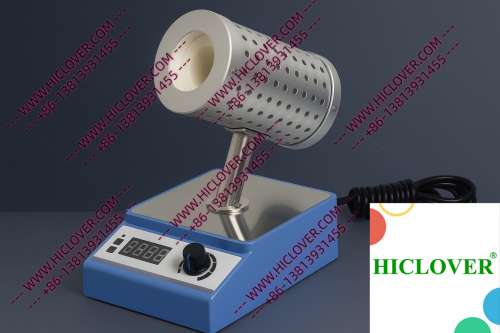
The Micro Incinerator employs rapid thermal sterilization through the utilization of infrared heating technology. This design features an enclosed ceramic heating chamber that allows for direct and uniform application of heat, achieving temperatures that can effectively sterilize various laboratory tools and inoculating loops. Unlike traditional flame sterilizers, this method eliminates the risk of open flames, enhancing safety and minimizing the chances of contamination.
Infrared heat permits instantaneous feedback and control, enabling users to attain the necessary temperatures swiftly, which is particularly essential in high-throughput laboratory settings. When the device is preheated, it quickly reaches the desired temperature, ensuring that sterilization is achieved without the potential of aerosol production typical with flames.
Applications in Real Laboratories
- Biosafety Cabinets: With heightened safety protocols, laboratories utilize Electric Loop Incinerators within biosafety cabinets to provide a clean and aerosol-free sterilization environment. This configuration ensures that users can effectively sterilize their tools without introducing contaminants into the controlled airflow of the cabinet.
- Teaching Labs: University teaching labs benefit from the non-flame sterilization properties of Micro Incinerators. Students can gain practical hands-on experience while minimizing safety risks associated with traditional flame methods, thus promoting a safer learning environment.
- What is the main advantage of using a Micro Incinerator over an alcohol lamp?
The Micro Incinerator offers precise temperature control without the risk of flames, making it safer for laboratory environments. - Can the Micro Incinerator be used in BSL-2 labs?
Yes, the Micro Incinerator is compliant with BSL-2 safety regulations, as it does not generate aerosols and can effectively sterilize tools within a biosafety cabinet. - How does the infrared sterilization process work?
Infrared technology quickly increases the temperature of surfaces, ensuring rapid and effective sterilization without exposing them to dangerous open flames. - Is the Micro Incinerator suitable for field testing?
Yes, its portable design and efficient sterilization method make it ideal for mobile or field testing labs where safety and reliability are critical. - What are the maintenance requirements for the Micro Incinerator?
Maintenance is straightforward, typically involving periodic cleaning of the ceramic heating chamber to ensure optimal performance.
Compliance with Sterilization Standards
In an increasingly regulated environment, adherence to WHO biosafety standards and laboratory sterilization protocols is paramount. Many guidelines stipulate the necessity of eliminating open flames in clean rooms, especially in BSL-2 and BSL-3 laboratories. Electric Loop Incinerators align perfectly with these standards, providing a compliant solution that enhances both safety and operational efficiency.
Furthermore, employing such advanced sterilization equipment can significantly reduce the risk of cross-contamination, making it essential for clinical diagnostics and research environments. The modulation of heat output allows for precise sterilization while preserving the integrity of sensitive environments, such as CO₂ incubators or anaerobic chambers.
Comparison: Micro Incinerator vs. Traditional Flame Burners
| Feature | Micro Incinerator | Flame Burners |
|---|---|---|
| Sterilization Method | Infrared High-Temperature Disinfection | Open Flame |
| Aerosol Generation | No | Yes |
| Temperature Control | Precise and Rapid | Variable and Less Control |
| Safety | Low Risk of Fire Hazard | Potential Fire Hazard |
FAQs on Micro Incinerators
Conclusion
In light of evolving biosafety needs and laboratory sterilization standards, Electric Loop Incinerators such as the Micro Incinerator / Infrared Inoculating Loop Sterilizer stand out as a cleaner, safer alternative to traditional incineration methods. Their design caters to the demands of modern laboratories—ensuring safety, compliance, and efficiency. For those interested in upgrading their sterilization practices, we invite you to contact us today to discover more about our innovative solutions.
Categories:
Tags: