
In the modern laboratory, biosafety and contamination control are paramount. As research becomes increasingly complex, maintaining sterility while ensuring the efficient disposal of waste is a significant challenge for lab professionals. Traditional methods like alcohol lamps and Bunsen burners, while widely used, can introduce risks such as open flames and smoke, making compliance with strict biosafety standards difficult. Enter the Micro Incinerator, specifically designed to address these challenges through innovative technology.
Technical Principles Behind Infrared Inoculating Loop Sterilizers
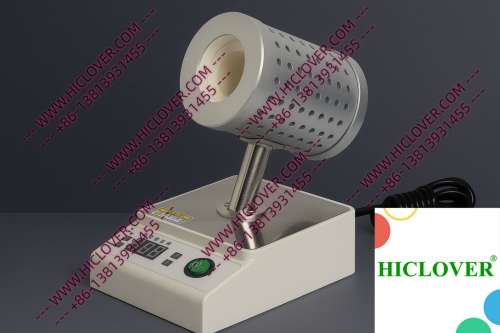
The Micro Incinerator operates on the principle of rapid thermal sterilization using infrared heat. Unlike conventional flame sterilizers, which can produce hazardous smoke and may leave behind residue, the Micro Incinerator is equipped with an enclosed ceramic heating chamber. This advanced design allows for high-temperature disinfection, achieving sterilization efficiently without aerosol generation. With infrared technology, the incinerator reaches and maintains precise temperatures necessary for effective sterilization, ensuring that inoculating loops, needles, and media tools are effectively rendered free of contaminants.
Advantages Over Traditional Flame Sterilizers
- Safety: No open flame reduces the risk of fire hazards in the lab.
- Efficiency: Rapid heating translates to quicker sterilization cycles.
- Cleanliness: The enclosed design eliminates smoke and residue.
- Compliance: Ideal for use in clean rooms and BSL-2/BSL-3 environments.
- What makes a Micro Incinerator different from traditional flame sterilizers?
The Micro Incinerator uses infrared heating technology and is enclosed, resulting in rapid sterilization without open flames, reducing contamination risk. - Can the Micro Incinerator be used in BSL-3 labs?
Yes, it meets the strict standards required for BSL-3 environments, ensuring safe and effective sterilization. - How does infrared sterilization work?
Infrared sterilization produces high temperatures to inactivate and destroy microorganisms rapidly without the dangers associated with flame sterilization. - Is the Micro Incinerator portable?
Yes, many models are designed to be lightweight and portable, making them ideal for field testing. - What maintenance is required for the Micro Incinerator?
Regular cleaning of the ceramic heating element and routine checks of the electrical components ensure optimal performance.
Applications of Micro Incinerators in Varied Laboratory Settings
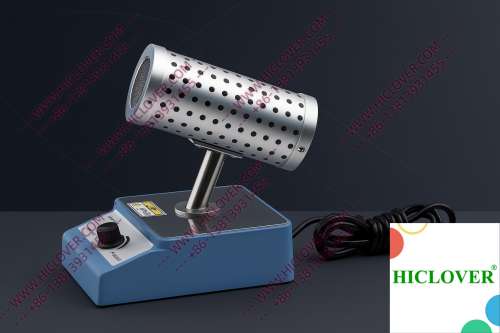
Micro Incinerators find their place in various laboratory scenarios, effectively meeting sterilization demands without compromising biosafety protocols.
1. Biosafety Cabinets
In BSL-2 and BSL-3 microbiology laboratories, the sterile environment is vital for handling pathogens. Using Micro Incinerators within biosafety cabinets allows lab technicians to rapidly sterilize inoculating loops and other tools without introducing an open flame into the controlled space. This significantly reduces the risk of contamination, making the workflow more efficient and safe.
2. Field Testing Laboratories
Mobile or field-testing labs often face challenges related to sterilization and waste disposal, especially where access to traditional power sources isn’t feasible. The Micro Incinerator’s portability and battery-operated options enable researchers to perform immediate sterilization on-site, minimizing the risk of contamination during environmental sampling. This capability is invaluable in remote locations or during outbreak investigations.
Compliance and Environmental Considerations
As laboratory safety regulations evolve, compliance with international standards, such as those set by the WHO for biosafety, becomes critical. The efficiency and design of the Micro Incinerator align with laboratory sterilization standards, offering a solution that meets and exceeds safety requirements. Furthermore, with the global directive to reduce landfill waste, these incinerators help mitigate environmental impact by providing a responsible disposal method for contaminated materials.
Moreover, the use of flame in clean rooms can be problematic; hence, the design of the Micro Incinerator ensures it operates safely within these environments. Lab managers are now better equipped to adhere to safety protocols while maintaining productivity.
Frequently Asked Questions
Conclusion
The Micro Incinerator, or Infrared Inoculating Loop Sterilizer, represents a breakthrough in laboratory sterilization technology, effectively addressing the biosafety challenges faced by research facilities today. With numerous advantages over traditional flame-based systems, its design caters to the modern lab’s need for safety, efficiency, and compliance.
For institutions looking to elevate their sterilization processes while adhering to stringent safety standards, consider investing in a Micro Incinerator. Contact us today to learn more about our products and how they can enhance your laboratory operations.
Categories:
Tags: