
The integrity of results in molecular diagnostics, such as PCR (Polymerase Chain Reaction), is heavily reliant on stringent biosafety practices and protocols. Laboratory professionals face numerous biosafety challenges, including contamination control and maintaining a sterile environment. Traditional sterilization methods, like Bunsen burners or alcohol lamps, may introduce risks such as flame-related accidents and aerosol generation. This is where advanced sterilization equipment, particularly the Micro Incinerator/Infrared Inoculating Loop Sterilizer, revolutionizes laboratory workflows and enhances PCR accuracy.
Understanding the Micro Incinerator’s Technical Principles
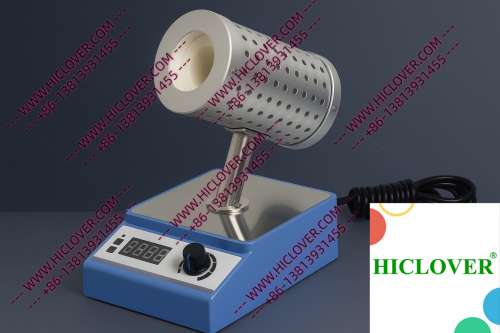
The Micro Incinerator employs rapid thermal sterilization through infrared heat. Unlike traditional flame methods, which can be inefficient and produce harmful fumes, infrared sterilizers utilize a controlled and enclosed ceramic tube that focuses energy directly on the inoculating loops, achieving high temperatures swiftly and safely. This sophisticated technology not only ensures effective sterilization but also provides benefits such as:
- Reduced aerosol generation
- Elimination of flammable liquids
- Consistent sterilization temperatures
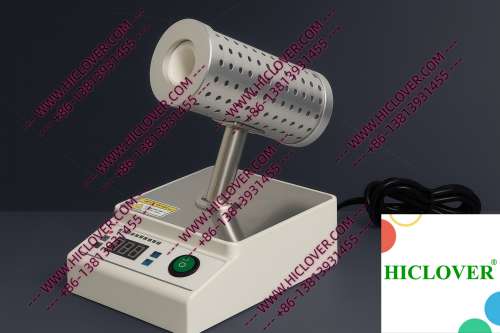
The enclosed ceramic heating chamber minimizes the risk of contamination and enhances safety by negating the need for open flames—a significant advantage, particularly in clean room environments where ignition sources are strictly prohibited. This makes the Micro Incinerator ideal for applications across various laboratory settings.
Application Scenarios in Real Labs
1. BSL-2 Microbiology Labs
Within BSL-2 laboratories, where the handling of moderate-risk microbes is commonplace, maintaining sterility is paramount. Professionals using the Micro Incinerator can rely on its efficiency to quickly sterilize inoculating loops while working under biosafety cabinets, ensuring that no contaminants invade cultures. The rapid thermal sterilization process eradicates pathogens without the disruptive fumes associated with open flames. This allows microbiologists to focus on their research and diagnostics without concern about the sterility of their equipment.
2. University Teaching Labs
University teaching laboratories represent another vital application area for the Micro Incinerator. Instructors and students often perform microbiological experiments that require precision and sterility. The Micro Incinerator’s compact size makes it suitable for limited bench space while providing a reliable means of sterilization. Students can observe proper sterilization techniques without the risks aligned with flame sterilizers, thus creating a safer learning environment.
Compliance with Biosafety Standards
Compliance with biosafety regulations is crucial for laboratory operations. Organizations such as the World Health Organization (WHO) outline strict biosafety standards that labs must adhere to. Efficient sterilization equipment not only mitigates contamination risks but also promotes adherence to WHO guidelines by eliminating hazardous methods, such as using open flames in cleanrooms or BSL-rated labs. Some notable compliance benefits of adopting Micro Incinerators include:
- Meeting stringent biosafety regulations
- Enhanced safety in cleanroom environments by eliminating flame risks
- Improved handling practices with aerosol-free technology
Such factors play a significant role, particularly for healthcare facilities and research institutions in urban areas like New York or Tokyo, where the density of labs demands high standards of operational efficiency and safety.
Comparative Advantages: Micro Incinerator vs. Flame Sterilizers
To highlight the advantages of the Micro Incinerator over traditional flame sterilizers, consider the following comparison:
| Feature | Micro Incinerator | Flame Sterilizers (Bunsen Burner) |
|---|---|---|
| Safety | Enclosed & no open flame | Open flame, potential fire hazards |
| Contamination Control | Aerosol-free handling | Can produce aerosols, increasing contamination risk |
| Efficiency | Rapid thermal sterilization | Variable heating times, inconsistently applied heat |
| Usability | Simple ON/OFF operation | Requires constant monitoring and adjustment |
Frequently Asked Questions (FAQs)
What makes the Micro Incinerator different from traditional sterilizers?
The Micro Incinerator utilizes infrared technology for rapid and efficient sterilization without the risks associated with open flames, making it safer for use in high-stakes laboratory environments.
Can the Micro Incinerator be used in cleanrooms?
Yes, it is specifically designed for cleanroom environments as it eliminates the risks associated with flame sterilizers, such as the production of harmful aerosols.
What kind of maintenance does a Micro Incinerator require?
Maintenance is minimal; regular cleaning of the ceramic heating chamber is recommended to ensure optimal performance and longevity.
Is the Micro Incinerator suitable for field testing labs?
Absolutely! Its portability and ease of use make it perfect for field testing applications where maintaining sterility is crucial.
How does this equipment improve PCR accuracy?
By ensuring contaminant-free handling of samples, the Micro Incinerator reduces the risk of contamination during PCR procedures, leading to more reliable and accurate results.
Conclusion
Investing in advanced sterilization equipment like the Micro Incinerator/Infrared Inoculating Loop Sterilizer significantly elevates laboratory biosafety and efficiency, especially in critical applications such as PCR testing. By minimizing risks associated with conventional flame sterilizers and complying with WHO biosafety standards, this innovative solution meets the demands of modern laboratories—be they in education, research, or health care. If you seek to enhance your sterilization processes and improve the accuracy of your laboratory results, consider reaching out for a consultation today. Your commitment to quality starts with the right tools!
Categories:
Tags: