
In the ever-evolving landscape of laboratory biosafety, the need to eliminate flame-based sterilization methods has become paramount. Traditional methods, such as alcohol lamps and Bunsen burners, pose significant risks of contamination, aerosols, and variable sterilization outcomes. As laboratory workflows demand heightened efficiency and compliance with rigorous safety standards, innovations like the Micro Incinerator or Infrared Inoculating Loop Sterilizer have emerged as superior alternatives.
Understanding the Technical Principles
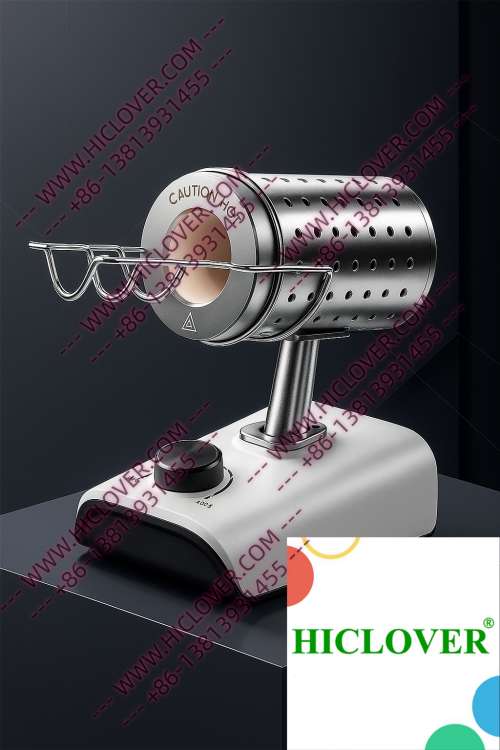
The Micro Incinerator operates based on the principle of rapid thermal sterilization using a high-temperature infrared heating element. This technology allows for direct heating of inoculating loops and instruments within an enclosed ceramic heating chamber. Unlike flame sterilizers, which can create bioaerosols and lead to inconsistencies in sterilization, the infrared system offers controlled, uniform heating. This ensures that the sterilization process is not only effective but also safe, promoting contamination control in various laboratory settings.
Key Features of the Micro Incinerator
- Infrared Heating: Rapidly achieves and maintains high temperatures for effective sterilization.
- Ceramic Heating Chamber: Enclosed design minimizes contamination risk and enhances safety.
- Compact Size: Space-saving design ideal for biosafety cabinets and smaller lab environments.
- Ease of Use: Simple operation with immediate temperature readiness.
- Durability: Robust construction ensuring longevity in demanding laboratory conditions.
Applications in Real Laboratories
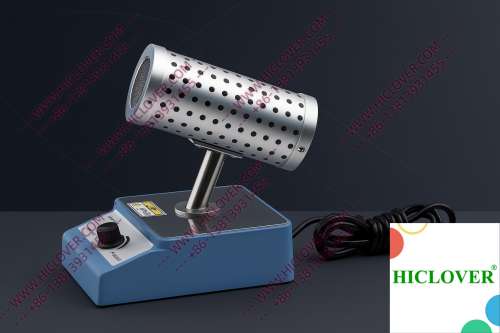
Micro Incinerators are versatile tools that find application in various laboratory settings, ranging from educational institutions to high-risk biosafety labs. Here are two application scenarios:
1. University Teaching Labs
In teaching environments, students learn fundamental microbiology techniques that require impeccable sterilization to prevent cross-contamination. The Micro Incinerator, with its straightforward operation and immediate readiness, allows instructors to efficiently demonstrate proper inoculation techniques without the risks associated with open flames.
2. BSL-2 and BSL-3 Laboratories
In BSL-2 and BSL-3 labs, where pathogens are manipulated, maintaining a sterile environment is non-negotiable. The Micro Incinerator’s ability to swiftly sterilize loops and instruments ensures compliance with stringent biosafety protocols, including those set by the World Health Organization (WHO). Utilizing a flame-free solution protects laboratory personnel from ignition hazards and minimizes aerosol generation, allowing for a cleaner and safer workflow.
Compliance and Environmental Considerations
As laboratories worldwide strive to meet compliance with biosafety standards, the transition from alcohol lamps to infrared sterilizers like the Micro Incinerator aligns with current laboratory sterilization guidelines. Organizations, such as the WHO and various national health authorities, emphasize elimination of flames in cleanroom environments and encourage the adoption of alternatives that diminish contamination risks. By employing infrared sterilization technology, labs not only enhance safety but also align with best practices recognized globally.
Comparative Analysis: Micro Incinerator vs. Traditional Flame Burners
| Feature | Micro Incinerator | Traditional Flame Burner |
|---|---|---|
| Heating Method | Infrared | Open Flame |
| Contamination Control | High | Moderate |
| Aerosols Generation | No | Yes |
| Safety | Safe for BSL-2/3 | Potential Fire Hazard |
| Operational Readiness | Immediate | Variable |
Frequently Asked Questions
What are the main advantages of using a Micro Incinerator over an alcohol lamp?
The main advantages include enhanced contamination control, no aerosol generation, immediate readiness, and increased safety, especially in BSL-2 and BSL-3 laboratories.
Can the Micro Incinerator be used in field testing laboratories?
Yes, its portable design makes it suitable for field testing labs where a reliable and safe method for sterilization is necessary.
Is the Micro Incinerator compliant with WHO biosafety standards?
Yes, it meets and exceeds various biosafety protocols, promoting a flame-free environment that is crucial in maintaining lab safety.
How does the Micro Incinerator impact laboratory workflow efficiency?
By providing immediate heating and reducing contamination risks, it streamlines workflows, allowing laboratory personnel to focus on their core research activities.
What types of instruments can be sterilized using the Micro Incinerator?
It is predominantly used for inoculating loops, but can also sterilize other small laboratory instruments suited for high-temperature sterilization.
Conclusion
In the realm of laboratory sterilization, transitioning from traditional flame-based methods to innovative solutions like the Micro Incinerator represents a significant advancement in biosafety and efficiency. With its effective sterilization capabilities, compliance with stringent safety protocols, and versatile applications across various laboratory environments, adopting this technology is not just beneficial; it is essential for the future of laboratory practices. For inquiries or further information on purchasing the Micro Incinerator, please do not hesitate to contact us.
Categories:
Tags: