
In today’s fast-paced laboratory settings, the challenge of maintaining biosafety while ensuring effective sterilization is more relevant than ever. Laboratories, especially those operating in high-stakes environments like BSL-2 or BSL-3 microbiology labs, face stringent demands for sterilization workflows. Traditional flame sterilizers like alcohol lamps and Bunsen burners, while commonly used, pose safety risks and can be inefficient for modern laboratory needs. As research continues to evolve, so does the necessity for advanced sterilization solutions. Enter the Micro Incinerator, an innovative piece of equipment that leverages infrared technology to provide a flame-free, aerosol-free approach to sterilization.
Understanding the Micro Incinerator
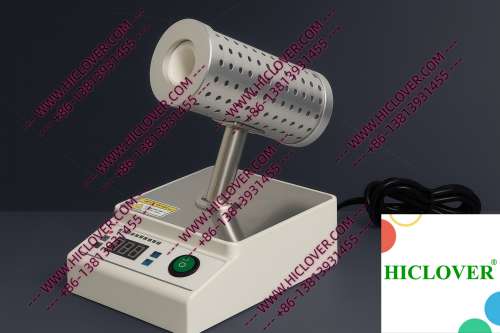
The Micro Incinerator, or Infrared Inoculating Loop Sterilizer, is designed to deliver rapid thermal sterilization of inoculating loops and other laboratory instruments. Utilizing an enclosed ceramic tube heated by infrared heat, this device ensures complete disinfection without the risk of open flames. The configuration of the Micro Incinerator includes:
- Infrared Heating Element: Provides uniform and rapid heating to achieve high temperatures efficiently.
- Ceramic Tube Chamber: Protects against accidental contact and minimizes heat loss.
- Built-in Safety Features: Automatic shut-off and temperature regulation to prevent overheating.
This unique setup eliminates the disadvantages associated with traditional methods, such as soot production and excessive heat dispersion, making it an ideal choice for clean rooms and sensitive laboratory environments.
Applications in Laboratory Settings
The versatility of the Micro Incinerator is evident in its application across various laboratory settings. Consider the following scenarios:
1. Biosafety Cabinets
In a BSL-2 lab, where the risk of working with hazardous microbes is significant, the Micro Incinerator serves as an invaluable tool. Used within biosafety cabinets, it allows for the safe sterilization of inoculating loops without compromising the integrity of the clean environment. By avoiding traditional flame sources, laboratories minimize the potential for hazardous fumes and combustion risks. This is especially crucial when working with volatile or flammable substances.
2. Field Testing Environments
Field testing laboratories, often constrained by limited resources, benefit significantly from the portability and efficiency of the Micro Incinerator. In a mobile lab setting, researchers can conduct tests in remote locations, ensuring that tools are sterilized on the spot. This capability not only enhances biosafety compliance but also supports real-time data collection during field research activities.
Compliance with Biosafety Standards
Maintaining compliance with global biosafety standards is a critical aspect of laboratory operations. The World Health Organization (WHO) and other regulatory bodies have outlined stringent guidelines for laboratory sterilization practices. To that end, the Micro Incinerator meets essential lab sterilization standards, including:
- **WHO Biosafety Guidelines:** Ensures safe handling of biohazard materials.
- **Laboratory Sterilization Standards:** Adheres to ISO and other relevant protocols.
- **No Flame in Clean Rooms:** Compatible with clean room operations, where open flames are typically prohibited.
By switching to a technology that aligns with these standards, laboratories can enhance safety measures while also protecting staff and research materials.
Advantages Over Traditional Flame Sterilizers
The Micro Incinerator holds distinct advantages over traditional flame sterilizers:
- Enhanced Safety: Reduces the risk of burns and fire hazards.
- Efficiency: Provides rapid thermal sterilization, saving time during sterilization processes.
- Cleanliness: Minimizes soot and contamination from combustion byproducts.
- Precision: Allows for controlled heating without the fluctuating temperatures associated with flames.
FAQs About Micro Incinerators
What is the primary use of a Micro Incinerator?
The Micro Incinerator is primarily used for the sterilization of inoculating loops and other laboratory tools in a safe, effective, and efficient manner.
How does a Micro Incinerator work?
The device uses infrared heating technology to rapidly heat an enclosed ceramic tube, enabling quick sterilization of instruments without the risks posed by open flames.
Can a Micro Incinerator be used in clean rooms?
Yes, the Micro Incinerator is designed specifically for use in clean rooms, as it eliminates the risks associated with flame-based sterilization.
Is the Micro Incinerator easy to operate?
Yes, it is user-friendly, often featuring straightforward controls and quick-to-understand operational guidelines, enabling effective use even for inexperienced lab technicians.
What are the maintenance requirements for a Micro Incinerator?
Routine maintenance includes cleaning the ceramic tube and checking for any infrared heating element malfunctions, ensuring sustained performance and safety.
Conclusion
As laboratories adapt to new challenges in biosafety and sterilization workflows, the Micro Incinerator emerges as a leading technology that ensures compliance, safety, and efficiency. Its capacity for aerosol-free handling and rapid thermal sterilization makes it indispensable in a variety of settings, from academic institutions to clinical diagnostics. The switch from traditional flame sterilizers to advanced infrared solutions can revolutionize laboratory practices. For inquiries or to purchase a Micro Incinerator, contact us today to learn how we can enhance your laboratory’s sterilization capabilities.
Categories:
Tags: