
In Egypt, as in many parts of the world, laboratory biosafety remains a pressing challenge. Biosafety regulations and efficient sterilization workflows are critical to managing the risks associated with microbial contamination. The demand for reliable sterilization methods has prompted laboratories to seek innovative solutions that meet stringent safety standards while improving operational efficiency. Among these solutions, the Micro Incinerator—specifically the Infrared Inoculating Loop Sterilizer—stands out as a transformative tool for sterilization in scientific research and healthcare settings.
Understanding the Micro Incinerator’s Technical Principles
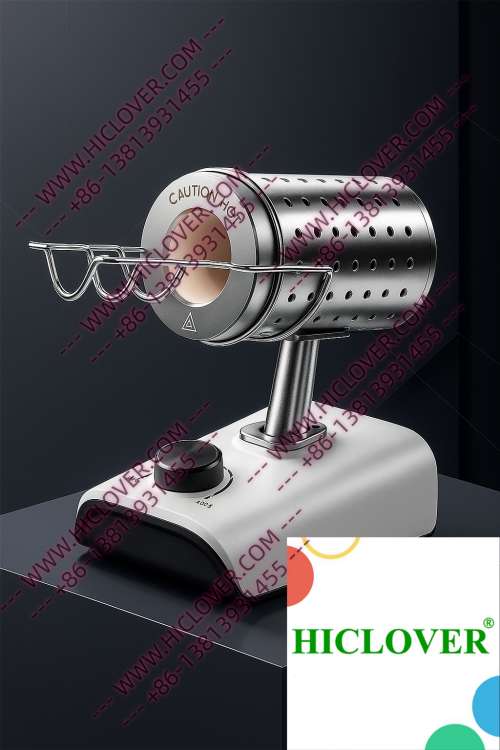
The Micro Incinerator operates based on advanced infrared heating technology, allowing for rapid thermal sterilization of inoculating loops and other small tools. Unlike traditional flame sterilizers such as alcohol lamps and Bunsen burners, which can produce harmful aerosols and generate excessive heat, the Micro Incinerator employs a ceramic heating chamber enclosed within a compact design. This ceramic tube is engineered to reach high temperatures quickly, ensuring that contamination control is achieved efficiently and effectively.
Applications in Real Laboratories
1. Biosafety Cabinet Usage
In BSL-2 and BSL-3 microbiology labs, the Micro Incinerator is essential for maintaining a sterile environment. When conducting experiments with pathogenic organisms, lab personnel utilize the device within biosafety cabinets to eliminate contaminants without exposing themselves to flames. The quick heating cycle reduces waiting times, enabling a smoother workflow in sensitive microbiological processes.
2. Field Testing and Teaching Labs
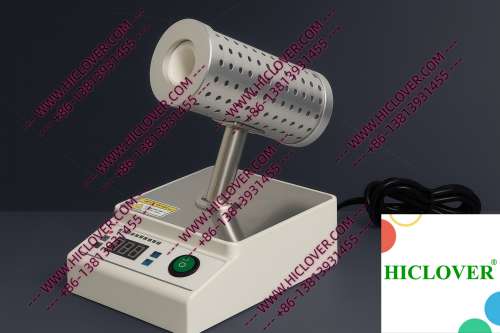
Mobile or field testing labs, particularly those focusing on environmental monitoring, can integrate Micro Incinerators for on-the-spot sterilization of equipment. Moreover, in educational institutions, university teaching labs benefit from utilizing infrared inoculating loop sterilizers. This not only enhances students’ learning experiences but also underscores safety in handling microbial cultures.
Compliance with Sterilization Standards
The standards set forth by the World Health Organization (WHO) regarding laboratory biosafety emphasize the importance of sterilization methods that minimize risk and ensure safety. The Micro Incinerator complies with these standards, providing a flame-free option that significantly reduces the chances of fire hazards and contamination in clean rooms. Furthermore, compliance with laboratory sterilization standards helps institutions maintain accreditation, boost operational efficiency, and promote a sustainable circular economy in research settings.
Advantages Over Traditional Flame Sterilizers
When comparing the Micro Incinerator to conventional flame sterilizers, several key differences emerge:
- Rapid Thermal Sterilization: The Micro Incinerator heats up in seconds, compared to the slower heating times of flame devices.
- Contamination Control: The closed design prevents aerosol contamination, ensuring a clean working environment.
- Clean-Bench-Safe Operation: With no open flame, it is much safer for use in clean benches and sterile workspaces.
- Environmentally Friendly: Reduces carbon footprint associated with traditional fueling.
Here’s a brief comparison table detailing these differences:
| Feature | Micro Incinerator | Flame Sterilizer |
|---|---|---|
| Heating Speed | Seconds | Minutes |
| Contamination Control | High | Moderate |
| Operation Safety | Flame-Free | Open Flame |
| Environmental Impact | Low | High |
Embracing a Circular Economy in Egypt
The integration of micro incinerators into laboratory processes is not just about improving efficiency; it is about embracing sustainable practices that align with the circular economy goals. This approach encourages the recycling of materials and responsible waste management. With increasing awareness of environmental impacts, Egyptian laboratories can leverage these innovations to operate within a framework that supports long-term sustainability.
Frequently Asked Questions
1. What is a Micro Incinerator?
A Micro Incinerator is a sterilization device that uses infrared heat to sterilize inoculating loops and other laboratory tools rapidly and safely.
2. How does it compare to traditional sterilizers?
Compared to traditional flame sterilizers, Micro Incinerators offer faster heating times, reduce aerosol risks, and maintain a clean environment.
3. Can Micro Incinerators be used in field tests?
Yes, their portability and efficiency make them ideal for use in mobile field testing laboratories.
4. What compliance standards do Micro Incinerators meet?
They adhere to WHO biosafety guidelines and laboratory sterilization standards.
5. Are they safe for use in clean rooms?
Absolutely! Micro Incinerators provide a flame-free solution, thus minimizing fire hazards in cleanroom environments.
Conclusion
As Egypt aims for a more sustainable future, the adoption of Micro Incinerators represents a significant step towards improved laboratory practices aligned with circular economy principles. These sterilization devices not only enhance biosafety and compliance but also pave the way for innovation in laboratory workflows. To explore how Micro Incinerators can transform your laboratory operations, please reach out for more information or to make a purchase today.
Categories:
Tags: