
As Algeria continues to enhance its healthcare infrastructure and promote laboratory biosafety, practical challenges in laboratory workflows necessitate more effective sterilization solutions. Biosafety cabinets in universities, research centers, and clinical laboratories often face significant challenges in managing contamination, calling for reliable sterilization processes to protect both personnel and samples. One promising solution that is gaining traction is the Micro Incinerator, particularly the Infrared Inoculating Loop Sterilizer, enhancing safety and efficiency in various settings.
Technical Principles of Micro Incinerators
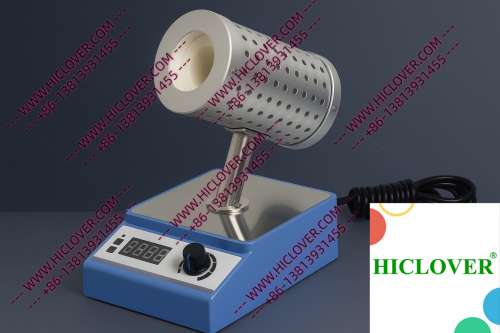
The Micro Incinerator operates on the principle of rapid thermal sterilization, utilizing infrared heat to achieve high temperatures necessary for effective disinfection. Unlike traditional flame sterilizers such as alcohol lamps and Bunsen burners, it features an enclosed ceramic heating chamber that minimizes the risk of aerosolized pathogens entering the laboratory environment, providing a clean-bench-safe solution for contamination control.
The device works by emitting infrared radiation that directly heats the inoculating loop or other sterilization instruments, ensuring that sterilization occurs swiftly and uniformly. This method not only increases efficiency but also significantly reduces the potential for fire hazards associated with open flames, making it particularly suitable for clean rooms and sensitive laboratory environments.
Applications of Micro Incinerators in Laboratory Settings
Micro Incinerators find versatile applications in a variety of laboratory contexts, catering to the specific needs of different scientific fields. Below are two illustrative scenarios:
- Biosafety Cabinets: In BSL-2 laboratories, where work with moderate-risk biological agents occurs, the Micro Incinerator ensures complete sterilization of inoculating loops before and after use. This closed environment limits exposure to aerosols and airborne pathogens, making it an ideal choice for any microbiological work, from culturing to diagnostics.
- Field Testing: In Algeria, mobile laboratories are increasingly being deployed for field testing of infectious diseases. The portability and rapid performance of the Micro Incinerator make it a valuable tool in these settings, allowing technicians to sterilize instruments on-site and swiftly manage the risks of contamination during sample collection.
Compliance with Biosafety Standards
Adhering to international biosafety standards is critical for laboratory operations, especially in Algeria where healthcare provisions are on the rise. The World Health Organization (WHO) outlines guidelines for laboratory biosafety, emphasizing the importance of using appropriate sterilization methods to prevent contamination and ensure worker safety.
Micro Incinerators comply with stringent laboratory sterilization standards, offering a safe alternative to traditional flame methods in cleanroom operations. They produce no open flame, which is a significant advantage in environments sensitive to temperature and air quality, such as CO₂ incubators or anaerobic chambers. This compliance not only helps laboratories meet international standards but also instills confidence in the results produced from their operations.
Comparison of Micro Incinerators vs. Traditional Flame Sterilizers
| Feature | Micro Incinerator | Traditional Flame Sterilizer |
|---|---|---|
| Heat Source | Infrared Radiation | Open Flame |
| Safety | No open flame, reduced aerosol risk | Flammable, higher risk of burns and contamination |
| Efficiency | Rapid thermal sterilization | Variable, dependent on user technique |
| Portability | Compact and mobile | Heavier and cumbersome |
| Temperature Control | Precise, non-variable | Less control, potential for overheating |
Frequently Asked Questions (FAQs)
1. What are the advantages of using a Micro Incinerator over a Bunsen burner?
The Micro Incinerator offers greater safety with its enclosed design, reducing the risk of burns and contamination. It also provides rapid and consistent sterilization without an open flame, making it ideal for laboratory environments.
2. Can a Micro Incinerator be used in field testing laboratories?
Yes, the portability and efficiency of Micro Incinerators make them perfect for field testing laboratories in Algeria, allowing for on-site sterilization.
3. What are the key compliance standards for sterilizers in laboratories?
Laboratories should adhere to international biosafety standards established by the World Health Organization, including methods for sterilization and contamination control.
4. Is the Micro Incinerator compatible with cleanroom operations?
Absolutely! The Micro Incinerator operates without an open flame, making it suitable for cleanroom and other sensitive environments.
5. How does the Micro Incinerator manage aerosol risks?
Because it utilizes infrared heat within a closed ceramic tube, the Micro Incinerator significantly reduces the risk of aerosol formation during sterilization, enhancing user safety.
Conclusion
The integration of Micro Incinerators, particularly the Infrared Inoculating Loop Sterilizer, represents a significant advancement for laboratories in Algeria, promising enhanced biosafety and operational efficiency. As facilities continue to rise in metropolitan areas and out in the field, adopting modern sterilization technology is paramount for meeting the increasing demands of scientific research and healthcare.
To discover how the Micro Incinerator can revolutionize your laboratory’s sterilization process, reach out to our team today or explore options for acquisition to empower your facility with the best in biosafety technology.
Categories:
Tags: