
Waste management remains a significant challenge in Kenya, impacting both public health and the environment. In laboratories, where stringent biosafety measures are required, the need for effective and efficient sterilization solutions becomes paramount. As the prevalence of clinical diagnostics, research activities, and academia rises, so does the demand for advanced sterilization equipment, such as micro incinerators. The Micro Incinerator / Infrared Inoculating Loop Sterilizer is at the forefront of this technological evolution, offering a host of benefits over traditional flame sterilizers.
Addressing Laboratory Biosafety Challenges
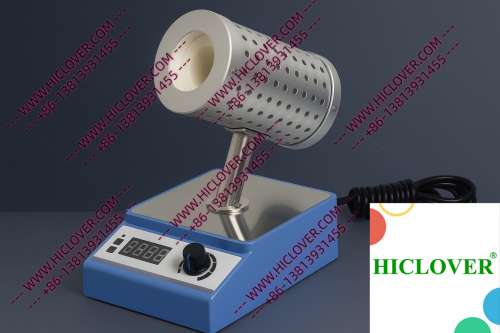
In bustling environments like BSL-2 and BSL-3 microbiology labs, where pathogens are manipulated, the challenges of contamination control are ever-present. The standard methods of sterilization, such as alcohol lamps and Bunsen burners, pose risks including:
- Open flames: These can ignite nearby materials and are often unsuitable for clean environments.
- Aerosol generation: Traditional flame sterilizers can disperse contaminants, jeopardizing sterile conditions.
- Inconsistent heating: Maintaining uniform temperatures with flames can be problematic, leading to incomplete sterilization.
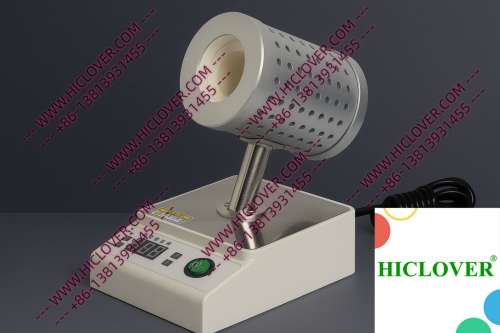
Micro incinerators sidestep these issues by utilizing infrared heating technology within an enclosed ceramic tube. This method provides rapid thermal sterilization, ensuring that inoculating loops, scalpels, and culture containers are effectively decontaminated, enhancing safety in any laboratory setting.
The Technical Principle: Infrared Heating Mechanism
The Micro Incinerator operates on the principle of infrared heat generation, wherein electric current passes through the ceramic heating chamber. This system heats rapidly to temperatures exceeding 800°C, providing high-temperature disinfection without the risks associated with open flames.
Key design features include:
- Compact design: Easily fits within a biosafety cabinet.
- Energy-efficient: Reduces energy costs with fast heating and cooling times.
- No flame: Ensures clean-bench-safe handling, eliminating risks in sterile environments.
Application Scenarios in Real Labs
1. Teaching Laboratories
In academic settings, such as university teaching labs, the Micro Incinerator serves as an educational tool, demonstrating the principles of microbiology and aseptic techniques. Instructors can emphasize contamination control while providing a safe environment for students to conduct experiments. The reliance on flame sterilizers can be replaced with this advanced equipment, fostering a culture of safety among aspiring scientists.
2. Mobile Testing Labs in Field Operations
In Kenya, mobile testing labs play a crucial role in disease control. Health workers conducting field tests must ensure that their equipment remains sterile. The Micro Incinerator offers an unmatched advantage: it can be powered by portable energy sources and used in outdoor environments without the conventional risks of fire. This capability is indispensable for initiatives tackling outbreaks in remote areas.
Compliance and Environmental Considerations
Compliance with international safety standards is essential for any laboratory operation. The Micro Incinerator aligns with the World Health Organization’s (WHO) biosafety guidelines, which emphasize the need for effective sterilization methods that minimize the risk of contamination. Unlike flame sterilizers, the Micro Incinerator does not generate aerosols, making it compliant for use in clean rooms and minimizing environmental pollution.
Micro Incinerator vs. Traditional Flame Sterilizers
| Feature | Micro Incinerator | Flame Sterilizers |
|---|---|---|
| Heating Mechanism | Infrared Heat | Open Flame |
| Aerosol Generation | No | Yes |
| Energy Efficiency | High | Low |
| Usability in Clean Rooms | Yes | No |
| Safety | High (No flame) | Moderate (Fire risk) |
Frequently Asked Questions
- What is the primary benefit of using a micro incinerator over a traditional flame sterilizer?
The primary benefit is enhanced safety and efficiency; micro incinerators eliminate open flames, reduce aerosol generation, and ensure reliable sterilization. - Are micro incinerators compliant with international biosafety standards?
Yes, they comply with WHO biosafety guidelines, making them suitable for both laboratory and field testing environments. - Can micro incinerators be used in mobile testing labs?
Absolutely! Their compact design allows for easy transportation and use in various settings, including mobile labs. - How does the micro incinerator improve sterilization workflows?
The rapid heating capability and energy efficiency of micro incinerators streamline workflows, allowing for quicker turnarounds in laboratory procedures. - Are micro incinerators suitable for educational purposes in universities?
Yes, they are ideal for teaching labs, promoting safe practices and effective sterilization techniques to students.
Conclusion
In summary, micro incinerators, particularly the Infrared Inoculating Loop Sterilizer, are revolutionizing waste management and sterilization processes within Kenyan laboratories. By addressing the challenges of traditional flame sterilizers with cutting-edge technology, they not only ensure compliance with biosafety standards but foster a safer, more efficient working environment. For laboratories eager to enhance their sterilization practices, investing in a micro incinerator is a step toward empowering communities and improving healthcare outcomes.
For inquiries or to explore purchasing options, please contact us today and take the first step towards transforming your laboratory’s sterilization methods!
Categories:
Tags: