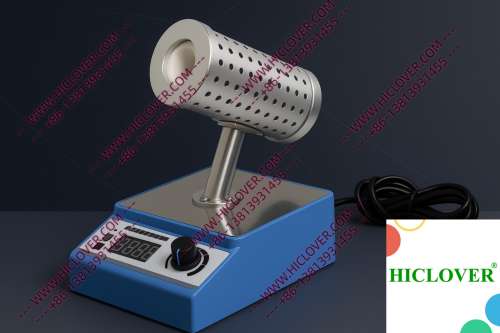
In laboratory settings, particularly in the domains of clinical diagnostics and microbiological research, maintaining rigorous biosafety standards is non-negotiable. One of the prevalent challenges laboratories face is achieving effective sterilization while controlling contamination risks. As labs demand more efficient workflows, the advent of advanced sterilization equipment like the Micro Incinerator has emerged as a game changer. This article delves into the technical principles of Micro Incinerators, their practical applications, and their role in enhancing waste management—especially in regions like Angola.
Understanding the Technical Principles of Micro Incinerators
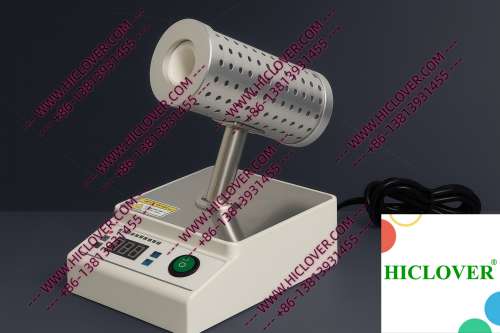
The Micro Incinerator/Infrared Inoculating Loop Sterilizer utilizes infrared heat technology to achieve rapid thermal sterilization. Unlike traditional flame sterilizers such as alcohol lamps and Bunsen burners, the Micro Incinerator ensures a clean, flame-free operation, ideal for use within equipped biosafety cabinets.
This state-of-the-art device features an enclosed ceramic heating chamber, providing a uniform distribution of heat and minimizing the risk of open flames. In addition, its design facilitates aerosol-free handling of inoculating loops and other sterile instruments, crucial for environments that adhere strictly to biosafety compliance. Unlike other sterilization methods which can pose contamination risks or require lengthy cleanup, the Micro Incinerator delivers efficient high-temperature disinfection in mere seconds.
Practical Applications in Laboratories
Micro Incinerators are not solely beneficial in a laboratory setting; rather, they serve multiple purposes across various operational environments. Below are two prominent application scenarios:
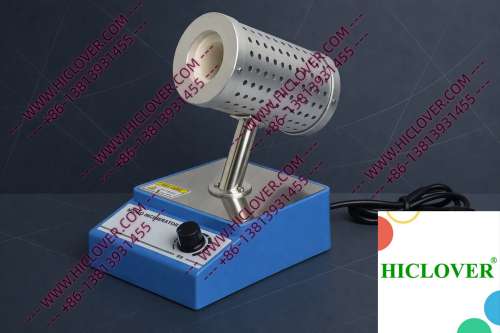
- Biosafety Cabinets: Within BSL-2 or BSL-3 microbiology labs, the Micro Incinerator enhances safety protocols. Its incorporation in biosafety cabinets allows researchers to sterilize inoculation tools without the risk of flame or fumes.
- Teaching Laboratories: Universities conducting microbiological training benefit from these devices as they reduce the complexities of sterilization, enabling students to focus on essential skills without compromising safety.
Compliance with Global Biosafety Standards
International organizations such as the World Health Organization (WHO) emphasize strict compliance with laboratory sterilization standards. The Micro Incinerator aligns seamlessly with these guidelines due to its flame-free feature, which is a requirement in clean-room operations. Laboratories aspiring to uphold the highest levels of biosafety, particularly in the African context, must prioritize sterilization methods that minimize risk while maximizing efficiency.
The Role of Micro Incinerators in Local Waste Management in Angola
As Angola continues to grapple with waste management challenges, especially in remote regions, the integration of Micro Incinerators presents an opportunity for ecological sustainability. By providing communities with the means to incinerate medical waste safely, these devices contribute to reducing contamination risks and managing hazardous materials effectively.
Micro Incinerators not only prevent waste accumulation but also empower local healthcare facilities to operate within compliance of WHO guidelines. This initiative can be transformative for communities that struggle with inadequate waste disposal solutions, ultimately promoting public health and environmental safety.
Comparative Analysis: Micro Incinerators vs. Flame Burners
| Feature | Micro Incinerator | Flame Burners |
|---|---|---|
| Heat Source | Infrared | Open Flame |
| Biosafety Compliance | High | Medium |
| Aerosol Production | None | Possible |
| Ease of Use | Simple | Requires Skill |
| Energy Efficiency | High | Variable |
Frequently Asked Questions (FAQs)
- What makes Micro Incinerators more efficient than traditional sterilization methods?
The Micro Incinerator utilizes rapid thermal sterilization, eliminating contaminants without the risks associated with open flames. - Are Micro Incinerators compliant with international safety standards?
Yes, Micro Incinerators meet WHO biosafety compliance guidelines, making them suitable for various laboratory environments. - Can Micro Incinerators be used in field-testing laboratories?
Absolutely. Their portability and flame-free operation make them ideal for mobile labs needing on-site sterilization. - How does the Infrared Inoculating Loop Sterilizer contribute to lab safety?
The sterilizer minimizes aerosol generation and allows for clean-bench-safe operations, reducing contamination risks significantly. - What are the maintenance requirements for a Micro Incinerator?
They typically require minimal maintenance, primarily ensuring the ceramic heating chamber remains clean for effective function.
Conclusion
The Micro Incinerator is an innovative solution for modern laboratories striving to enhance biosafety and efficiency in sterilization practices. Its advantages over traditional flame burners are numerous, including improved safety, compliance with global standards, and suitability for diverse laboratory settings—ranging from clinical diagnostics to educational environments. By adopting such technologies, not only can Angola improve its waste management practices, but it can also lead the way in empowering communities through safe and effective laboratory operations. If you are interested in enhancing your laboratory’s capability with a high-quality Micro Incinerator, contact us for more information.
Categories:
Tags: