
In today’s laboratory environments, the need for effective biosafety protocols is more critical than ever. Laboratories face numerous sterilization challenges, particularly in regions where resources are limited. For example, in Peru, where healthcare research is growing rapidly, reliable sterilization equipment is essential for maintaining laboratory standards. This is where the Micro Incinerator, or Infrared Inoculating Loop Sterilizer, comes into play. Its efficient sterilization capabilities provide invaluable support in the fight against contamination in various lab settings.
Understanding the Micro Incinerator’s Technical Principles
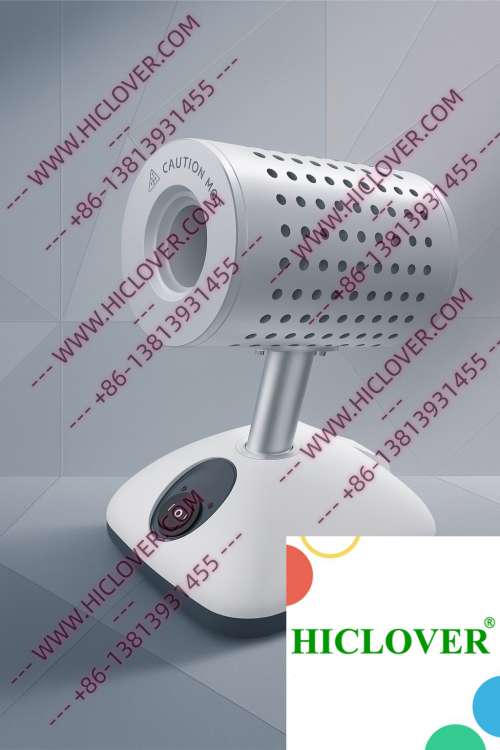
The Micro Incinerator operates using infrared heat within an enclosed ceramic heating chamber. This advanced technology distinguishes it from traditional flame sterilizers, which often rely on alcohol lamps or Bunsen burners. Unlike these flame-based systems, the Micro Incinerator offers rapid thermal sterilization, allowing for quick disinfection without the risk of open flames. This feature is particularly advantageous in BSL-2 and BSL-3 microbiology labs, where safety standards are paramount.
Advantages of Micro Incinerators Over Traditional Flame Sterilizers
Using a Micro Incinerator offers several benefits compared to conventional sterilization methods:
- Rapid disinfection: The infrared heat ensures immediate sterilization without waiting for flames to stabilize.
- Reduced risk of contamination: By eliminating open flames, there’s a decreased likelihood of cross-contamination.
- Aerosol-free handling: The enclosed design minimizes aerosol generation, which is especially important in clean environments.
- Energy efficient: Infrared technology often requires less energy than maintaining a flame, saving costs in the long run.
- No flame discharge, reducing the risk of ignition.
- Lower emissions of harmful gases compared to traditional burners.
- Enhanced operator safety while maintaining effective contamination control.
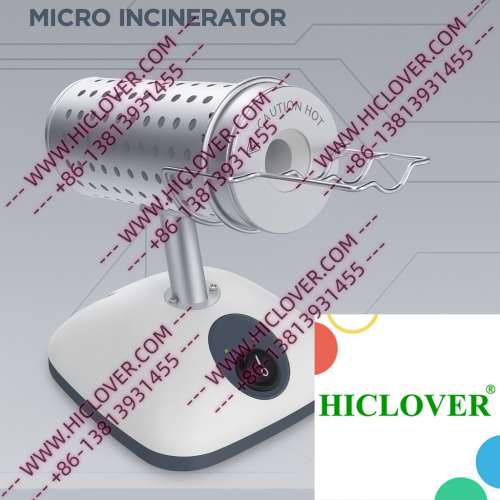
Applications of Micro Incinerators in Local Labs
The versatility of the Micro Incinerator makes it suitable for various laboratory applications, enhancing operational efficiency.
1. Teaching Labs
In university teaching labs across Peru, the Micro Incinerator serves as a crucial educational tool. Students learning about microbiology and laboratory safety can utilize this technology to understand effective sterilization techniques. The ability to demonstrate sterilization in real-time without using flames reinforces proper safety practices while fostering a comprehensive learning environment.
2. Field Testing Laboratories
Another prevalent application is in field testing environments, where portable sterilization solutions are paramount. The Micro Incinerator is lightweight and easy to operate, providing onsite sterilization for researchers working in remote areas. For instance, during pathogen research in a rural Peruvian community, researchers can assure biosafety by swiftly sterilizing inoculating loops and other tools right in the field, thereby upholding high standards even under challenging circumstances.
Compliance with Biosafety Standards
Compliance with international biosafety regulations is essential for any laboratory. The Micro Incinerator meets the stringent requirements outlined by the World Health Organization (WHO) and other laboratory sterilization standards, particularly where open flame equipment poses risks.
For clean rooms and high-containment laboratories, utilizing a Micro Incinerator means:
Frequently Asked Questions (FAQs)
1. How does a Micro Incinerator achieve sterilization?
The Micro Incinerator uses infrared heat to rapidly heat inoculating loops and other implements to a high temperature, which kills bacteria and other pathogens effectively.
2. Can the Micro Incinerator be used in field settings?
Yes, its portable design makes it ideal for mobile labs and field settings where accessible sterilization is imperative.
3. What are the primary benefits of using a Micro Incinerator compared to flame sterilizers?
Micro Incinerators offer quicker sterilization times, reduced contamination risks, and enhanced safety due to the absence of open flames.
4. Is the Micro Incinerator compliant with WHO standards?
Yes, it meets WHO guidelines for laboratory sterilization, making it a compliant choice for both domestic and international laboratories.
5. What types of labs benefit from using a Micro Incinerator?
The Micro Incinerator is beneficial in teaching labs, clinical diagnostics, BSL-2 and BSL-3 microbiology laboratories, and any research facility prioritizing biosafety.
Conclusion and Further Steps
As laboratories in Peru and beyond strive to enhance biosafety and operational efficiency, the adoption of the Micro Incinerator stands out as a transformative solution. Its ability to provide rapid thermal sterilization while maintaining compliance with strict safety standards empowers local communities. If you’re looking to elevate your laboratory’s sterilization practices, consider reaching out for more information and explore the potential of incorporating Micro Incinerators into your facility.
Investing in superior sterilization technology paves the way for safer, more effective research environments that benefit us all.
Categories:
Tags: