
In Nigeria, health workers face significant biosafety challenges in rural settings, where access to advanced laboratory sterilization equipment can be limited. These challenges require effective solutions to ensure the integrity of lab work, particularly for microbiology and clinical diagnostics. Among these solutions, portable loop sterilizers, specifically the Micro Incinerator or Infrared Inoculating Loop Sterilizer, stand out as vital tools for empowering health workers with a reliable and efficient way to meet sterilization demands.
Addressing Laboratory Biosafety Challenges
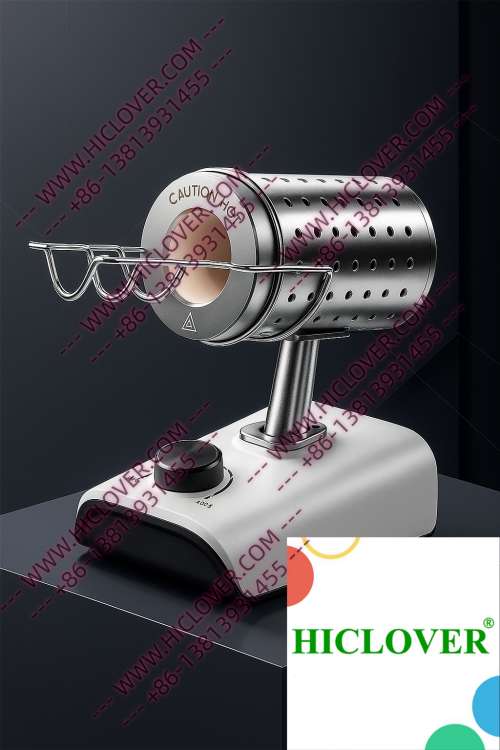
Laboratory settings in rural Nigeria often lack adequate biosafety measures, leading to potential contamination and compromised samples. Health workers need rapid thermal sterilization mechanisms for effective contamination control. Traditional flame sterilizers such as alcohol lamps and Bunsen burners pose risks such as aerosol production and the potential for open flames in clean environments. The Micro Incinerator, utilizing infrared heating technology, eliminates these hazards while providing an effective means of sterile handling and disposal.
Technical Principles of the Micro Incinerator
The Micro Incinerator operates on the principle of infrared high-temperature disinfection, using a ceramic heating chamber designed for rapid thermal sterilization. This enclosed ceramic tube heats up quickly and maintains high temperatures, which effectively sterilizes inoculating loops and other laboratory implements in just seconds. The efficiency of this device not only saves time but also enhances the workflow in a lab setting by minimizing downtime between samples.
Applications in Real Laboratory Environments
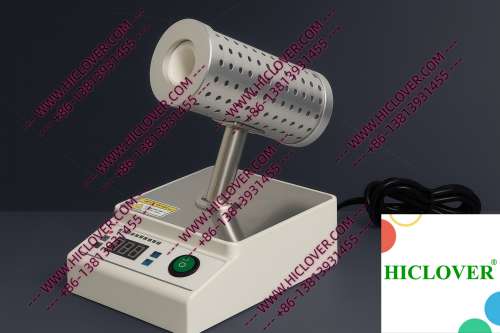
1. Using Micro Incinerators in University Teaching Labs
University laboratories often require various sterilization models to educate future health workers. For instance, using the Micro Incinerator in a university teaching lab allows students to gain practical experience in sterilization techniques without the risks associated with open flames. Additionally, the device is compact and portable, making it an excellent option for demonstrations in remote training sessions or workshops.
2. Integration in Field Testing Labs
Field testing scenarios frequently necessitate rapid sterilization methods, especially when dealing with environmental samples or pathogens. The Micro Incinerator is particularly valuable in these contexts, as it can be utilized outside of traditional laboratory settings, ensuring safety and efficacy without the need for electrical outlets. Rural health workers equipped with this device can perform tests confidently, knowing that they maintain stringent sterilization standards.
Compliance and Environment Considerations
Compliance with biosafety standards, as outlined by the World Health Organization (WHO), is critical for laboratory operations. The Micro Incinerator aligns well with WHO biosafety guidelines by minimizing aerosol production and maintaining a clean workspace. Unlike flame-based sterilization methods, it operates safely within cleanroom environments, promoting a sterile atmosphere crucial for BSL-2 and BSL-3 microbiology labs and clinical diagnostics.
- No open flames: Essential for cleanroom operations.
- Reduced aerosol risk: Enhances safety for laboratory personnel.
- Rapid performance: Quickly sterilizes implements, reducing wait times.
- Portability: Ideal for mobile labs and fieldwork in remote areas.
Comparative Analysis: Micro Incinerator vs. Traditional Flame Sterilizers
| Feature | Micro Incinerator | Flame Sterilizers |
|---|---|---|
| Safety | No open flames; lower aerosol risk | Risk of flames; higher aerosol production |
| Efficiency | Rapid sterilization (<10 seconds) | Longer heating times |
| Portability | Compact and battery-operated options | Bulkier, requires a stable surface |
| Environmental Impact | Minimal emissions | Potential impact from alcohol vapors |
FAQs
What are the primary benefits of using a Micro Incinerator for sterilization?
The Micro Incinerator offers rapid thermal sterilization, portability, enhanced safety without the hazards of open flames, and compliance with biosafety standards.
Can the Micro Incinerator be used in field settings?
Yes, its compact design and battery-operated options make it ideal for use in mobile or field testing labs.
Is the Micro Incinerator suitable for BSL-2 and BSL-3 labs?
Absolutely! The Micro Incinerator meets the necessary biosafety compliance for handling materials in BSL-2 and BSL-3 environments.
How does the sterilization time compare to traditional methods?
Unlike traditional flame sterilizers, which can take longer to heat, the Micro Incinerator sterilizes instruments in under 10 seconds, significantly enhancing workflow.
Are there any specific maintenance requirements for the Micro Incinerator?
Maintenance involves regular cleaning of the ceramic tube and ensuring the device functions properly, ensuring longevity and effectiveness.
Conclusion
Portable loop sterilizers like the Micro Incinerator are revolutionizing sterilization practices among rural health workers in Nigeria. By replacing traditional flame sterilizers with advanced infrared technology, health workers are empowered to execute laboratory procedures safely and efficiently. Investing in this equipment not only promotes better health outcomes in rural communities but also enhances the training of future health professionals. For those looking to improve laboratory sterilization methods, contact us today for more information about procuring the Micro Incinerator.
Categories:
Tags: