
In the realm of laboratory safety, biosecurity challenges are ever-present, particularly in environments where microbial manipulation occurs. Researchers face the daunting task of upholding stringent sterilization workflows to ensure that contamination is minimized and laboratory results remain valid. Traditional methods of sterilization, such as alcohol lamps and Bunsen burners, while effective, can pose unique problems, including open flames and potential hazards associated with aerosols. This is where advanced sterilizers like the Micro Incinerator / Infrared Inoculating Loop Sterilizer come into play.
Understanding the Micro Incinerator
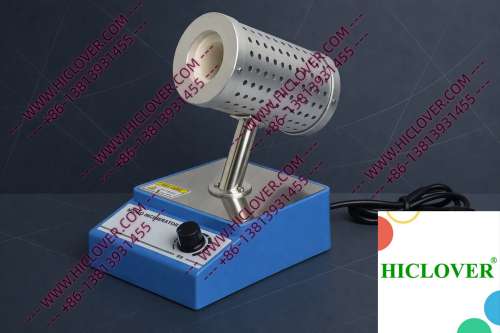
The Micro Incinerator operates on a principle of rapid thermal sterilization using infrared heat. Unlike conventional methods that involve open flames, this device utilizes a ceramic heating chamber housed in a compact, enclosed design. The ceramic tube efficiently directs concentrated heat, achieving high-temperature disinfection within seconds. This allows for an effective and safe method to sterilize inoculating loops, needles, and other instruments without the risk of flame-related incidents or aerosols, thus maintaining a clean-bench-safe environment.
Applications in Real Laboratory Settings
Advanced sterilizers, such as the Micro Incinerator, are particularly beneficial in various applications:
- Biosafety Cabinets: In BSL-2 and BSL-3 microbiology labs, the Micro Incinerator’s enclosed design aids in contamination control while ensuring researchers adhere to biosafety protocols. The lack of open flames decreases the risk of fire hazards in these sensitive areas.
- Teaching Labs: University laboratories rely on this device for classroom training in sterilization techniques. By demonstrating rapid and effective sterilization without flames, instructors can emphasize safety while providing hands-on experience to students.
- Mobile/FIeld Testing Labs: In field conditions where power sources may be limited, the portability and efficiency of the Micro Incinerator allow for on-the-spot sterilization without compromising safety.
- Fast Sterilization: Achieves sterilization in seconds, enhancing laboratory throughput.
- Safer Operations: Eliminates the risks associated with open flames, ideal for sensitive work environments.
- Portable Design: Facilitates use in various lab settings, including field tests.
- Consistent Performance: Provides validated sterilization results without the variability seen in flame methods.
- What is the main advantage of using the Micro Incinerator over traditional flame sterilizers?
The primary advantage lies in its speed, safety, and lack of open flames, thereby significantly reducing contamination risks. - Can the Micro Incinerator be used in field laboratories?
Yes, its portable design makes it ideal for mobile laboratories or field testing environments. - How does the Micro Incinerator ensure compliance with biosafety standards?
It operates without open flames, reducing hazards and aligning with WHO guidelines for laboratory safety practices. - Is the Micro Incinerator suitable for use in university teaching labs?
Absolutely, as it provides a safe and effective method for teaching sterilization techniques. - What types of items can be sterilized with a Micro Incinerator?
It is designed to sterilize inoculating loops, needles, and other small laboratory instruments swiftly.
Biosafety Compliance and Environmental Considerations
Compliance with international biosafety standards is paramount in laboratory settings. The World Health Organization (WHO) outlines several key guidelines regarding the sterilization processes within laboratories. Among these, the use of non-flame methods is strongly advocated for cleanrooms and environments handling sensitive biological materials. The Micro Incinerator meets these compliance criteria, ensuring a safer method of sterilization that reduces the risks associated with using traditional flame-based devices.
“Using a Micro Incinerator not only enhances our sterilization processes but also aligns with WHO biosafety recommendations, which is crucial for our research project involving pathogenic organisms.” – Dr. Emma Greene, Lead Researcher
Comparison Table: Micro Incinerator vs. Flame Burners
| Feature | Micro Incinerator | Flame Burners |
|---|---|---|
| Open Flame | No | Yes |
| Heating Time | 3-5 seconds | Variable |
| Risk of Aerosols | Minimal | High |
| Design | Compact & Enclosed | Open & Prone to Wind |
| Ease of Use | User-friendly | Requires skill |
Benefits of the Micro Incinerator
Adopting an advanced sterilizer like the Micro Incinerator in your laboratory doesn’t just fulfill compliance requirements; it also enhances workflow efficiency and safety. Here are some notable advantages:
FAQs
Conclusion
As laboratories continually strive to enhance biosecurity, adopting advanced sterilization solutions like the Micro Incinerator offers substantial benefits in terms of efficiency, safety, and compliance. Whether you are operating in research, clinical diagnostics, or educational environments, integrating a Micro Incinerator could significantly improve your laboratory operations. For more information on how to integrate this cutting-edge technology into your lab, feel free to reach out!
Categories:
Tags: