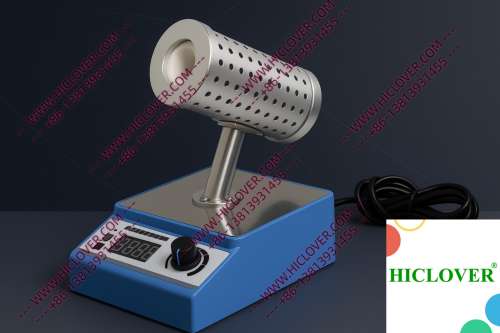
As global health concerns continue to escalate, the importance of effective laboratory biosafety measures cannot be overstated. Laboratories, particularly those in healthcare settings such as hospitals and research facilities in Kunming, are increasingly facing challenges related to contamination control and sterilization workflows. In response, many institutions are adopting advanced sterilization technologies aimed at improving infection control protocols. One of these revolutionary technologies is the Micro Incinerator, also known as the Infrared Inoculating Loop Sterilizer, which offers a clean and efficient alternative to traditional flame sterilizers.
Understanding the Technical Principles Behind Micro Incinerators
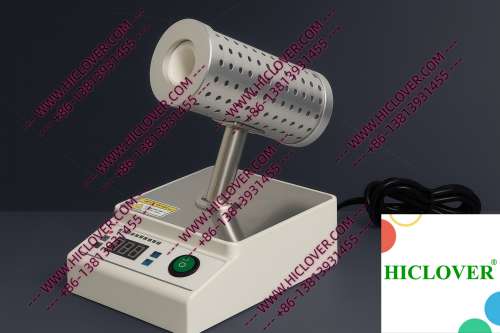
The Micro Incinerator employs infrared heat to achieve rapid thermal sterilization. Unlike conventional flame-based sterilization methods, this device utilizes an enclosed ceramic heating chamber that reaches temperatures sufficient to kill most microorganisms in seconds. The precision of infrared radiation allows for accurate temperature control, significantly reducing the risk of overheating or underheating tools necessary for laboratory work.
This high-temperature disinfection is both efficient and safe, enhancing contamination prevention measures in sensitive environments such as biosafety cabinets. The design ensures that aerosol formation—a common issue with flame methods—is eliminated, thereby minimizing biohazard risks. The use of a ceramic tube not only contributes to efficient thermal transfer but also ensures that the sterilizer is clean-bench-safe, maintaining the integrity of the sterile workspace.
Application Scenarios: Real-World Usage of Micro Incinerators
1. University Teaching Labs: In educational settings, such as those found in Kunming’s universities, the Micro Incinerator is instrumental in microbiology classes where students learn techniques for handling pathogens. Using this technology allows students to safely sterilize inoculating loops between cultures without the risks associated with flames. This enhances learning outcomes by allowing for efficient and safe experimentation.
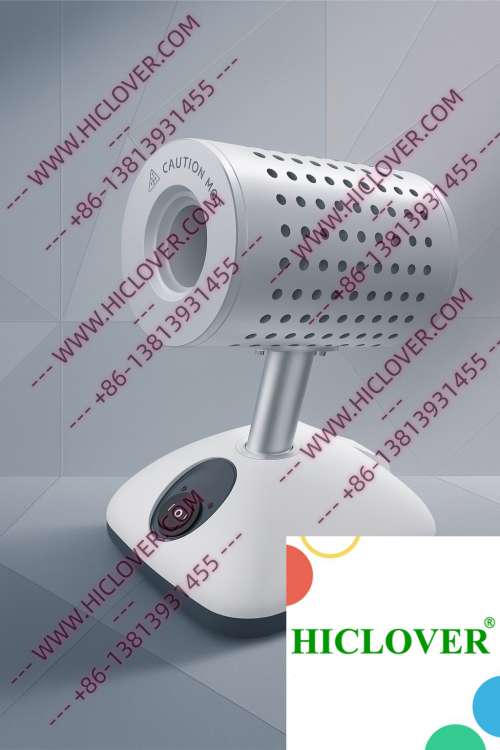
2. Field Testing Labs: During field testing for environmental or clinical microbiology, traditional sterilization methods such as alcohol lamps can pose significant risks. The Micro Incinerator is portable and quickly provides sterile tools, making it ideal for scientists working in remote locations or unstable environments. The ability to sterilize without flames ensures safety and reliability in critical fieldwork.
Compliance and Environmental Considerations: Meeting Global Standards
In today’s regulatory landscape, laboratories must adhere to stringent biosafety standards, particularly WHO guidelines for laboratory practices. Utilizing the Micro Incinerator allows institutions to not only meet but exceed many of these guidelines. For example, the use of flame sterilization is discouraged in clean rooms due to the inherent risks of smoke and contamination, whereas the Micro Incinerator operates cleanly, making it suitable for BSL-2 and BSL-3 laboratories. This compliance ensures that laboratories are protecting both personnel and the environment from unnecessary exposure.
Furthermore, with the increasing focus on environmentally responsible practices, the Micro Incinerator’s efficiency contributes to lower energy consumption compared to traditional flame sterilizers. This aligns with sustainability initiatives in healthcare and research facilities, further promoting a cleaner and safer laboratory environment.
Advantages of Micro Incinerators Over Traditional Flame Sterilizers
| Feature | Micro Incinerator | Flame Burners |
|---|---|---|
| Operation Time | Rapid thermal sterilization in seconds | Longer heat-up time |
| Safety | No open flame, reduces burn risk | Open flame, risk of burns and fire |
| Ease of Use | One-button operation | Manual flame control required |
| Cleanliness | Non-aerosol sterilization | Aerosol generation risk during use |
FAQs about Micro Incinerators
- What is the primary advantage of using a Micro Incinerator? The primary advantage is its ability to provide rapid and effective sterilization without the risks associated with traditional flames.
- Can a Micro Incinerator be used in BSL-2 laboratories? Yes, it meets the biosafety requirements for BSL-2 and BSL-3 labs, ensuring effective contamination control.
- How long does it take for the Micro Incinerator to reach operating temperature? The device typically reaches its sterilization temperature in seconds, making it highly efficient for laboratory workflows.
- Is the Micro Incinerator suitable for fieldwork? Absolutely, it is portable and designed for efficient use in various environments, including field testing labs.
- What safety features does a Micro Incinerator have? It operates without an open flame and is designed to minimize aerosol formation, enhancing user safety.
In conclusion, the integration of advanced sterilization solutions like the Micro Incinerator is paramount for laboratories aiming to enhance biosafety and streamline workflows. By investing in such innovative equipment, institutions in Kunming and beyond can ensure a higher standard of infection control. Interested laboratories and research centers are encouraged to explore options available for procurement and integrate these superior sterilization technologies into their operations for enhanced safety and efficiency.
Categories:
Tags: