
In the current landscape of laboratory biosafety, the challenges in sterilization protocols are becoming increasingly complex. With the advent of pathogens resistant to traditional treatments, high-level sterilization has become a crucial necessity. Russia, home to numerous research centers and biosafety laboratories, requires advanced sterilization techniques to meet rigorous safety standards and ensure effective contamination control. Enter the Micro Incinerator / Infrared Inoculating Loop Sterilizer—aninnovative solution that addresses these demands while enhancing laboratory efficiency.
Understanding the Technical Principles of Infrared Sterilization
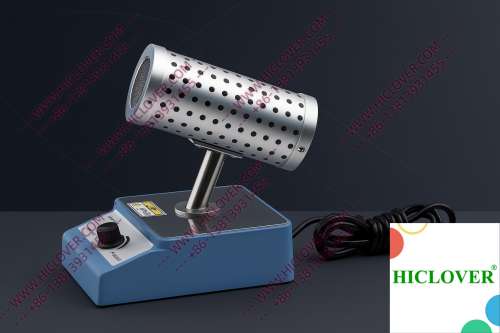
The Micro Incinerator utilizes infrared heat to achieve rapid thermal sterilization within its enclosed ceramic tube. This design provides rapid heating and consistent high temperatures, ensuring effective disinfection. Unlike traditional gas- or alcohol-fueled flame sterilizers, which involve open flames and can introduce fire hazards, the infrared incinerator operates through high-temperature disinfection without any significant risk of combustion. Its unique configuration allows for effective aerosol-free handling, a vital aspect in maintaining a controlled laboratory environment.
Features and Advantages Over Traditional Flame Sterilizers
- Rapid Sterilization: Achieves sterilization in seconds compared to several minutes required by flame sterilizers.
- Enhanced Safety: Eliminates open flames, minimizing fire hazards.
- Consistent Results: Provides uniform heat distribution for reliable sterilization.
- Portable Design: Easy to move and operate in diverse locations.
- Reduced Maintenance: Minimal upkeep required compared to gas systems.
- WHO Biosafety Guidelines: Ensures that laboratories can handle potentially infectious agents without airborne hazards.
- Clean Room Standards: Operates efficiently within clean environments, effectively eliminating the risks associated with exposed flames.
- Aerosol-Free Handling: Essential for any lab requiring strict contamination control.
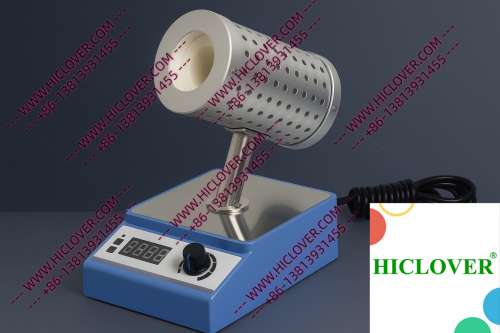
Application Scenarios in Real Labs
In Russia, the Micro Incinerator is increasingly being adopted in various laboratory settings. Here are two application scenarios that showcase its versatility:
1. University Teaching Labs
In educational institutions, such as the Moscow State University, the Micro Incinerator has found its place in microbiology teaching labs. Within BSL-2 environments, it’s essential to instill proper biosafety protocols in students. The infrared loop sterilizer allows students to safely and effectively sterilize inoculating loops without the risks associated with traditional flame sterilization. This ensures a hands-on learning experience while maintaining stringent safety standards.
2. Biosafety Cabinets in Field Testing Labs
Field testing labs, often located in remote areas of Russia, must rely on portable yet effective sterilization methods. The Micro Incinerator’s battery-operated option facilitates rapid sterilization of sampling instruments within biosafety cabinets. This application not only saves time during sampling procedures but also ensures that sterility is maintained, thus preventing cross-contamination in critical epidemiological studies.
Compliance with Biosafety Standards
Compliance with international biosafety guidelines is paramount in laboratory settings. The World Health Organization (WHO) emphasizes the importance of proper sterilization techniques to prevent pathogen spread. The Micro Incinerator not only meets but exceeds essential lab sterilization standards suitable for BSL-2 and BSL-3 microbiology labs. Its operation aligns with:
Comparison: Micro Incinerator vs. Flame Burners
| Feature | Micro Incinerator | Flame Burners |
|---|---|---|
| Heating Method | Infrared Heat | Open Flame |
| Safety | Low Risk | High Risk |
| Sterilization Time | Seconds | Minutes |
| Aerosol-Free | Yes | No |
| Portability | High | Medium |
FAQs About the Micro Incinerator and Its Use
1. How does the Micro Incinerator work?
The Micro Incinerator uses infrared heat to sterilize inoculating loops and other instruments rapidly and effectively, ensuring uniform heating for thorough disinfection.
2. Is it safe to use in a clean room?
Yes, the Micro Incinerator is designed for safe operation in clean rooms as it eliminates open flames and reduces aerosol generation, thus maintaining environmental control.
3. Can it be used in field settings?
Absolutely! Its portable design makes it perfect for field testing labs, allowing for effective sterilization of tools in remote or mobile settings.
4. What types of laboratories benefit most from using this equipment?
University teaching labs, clinical diagnostics labs, and BSL-2/BSL-3 microbiology labs are prime environments that benefit from enhanced safety and efficiency.
5. How does it compare to traditional sterilization methods?
The Micro Incinerator offers faster sterilization times, increased safety with no open flames, and reduced maintenance compared to traditional methods like Bunsen burners and alcohol lamps.
Conclusion
In conclusion, the Micro Incinerator / Infrared Inoculating Loop Sterilizer represents a significant advancement in infection control within Russian healthcare laboratories. Its unique design, safety features, and compliance with stringent biosafety standards solidify its role as a pivotal tool for researchers, educators, and technicians. If you are looking to enhance your laboratory’s sterilization processes and ensure the utmost safety, consider reaching out for a consultation to explore how the Micro Incinerator can meet your specific needs.
Categories:
Tags: