
In today’s fast-evolving bioscience landscape, achieving maximum laboratory safety is an ongoing challenge. This includes stringent sterility protocols that address contamination control in a myriad of settings: from high-stakes research labs to academic environments and mobile field testing labs. As laboratories ramp up operations, the demand for reliable sterilization solutions like the Micro Incinerator or Infrared Inoculating Loop Sterilizer becomes paramount. This article delves into the technical principles behind these innovative devices, their real-world applications, and their significance in compliance with established laboratory safety standards.
Understanding the Technical Principles
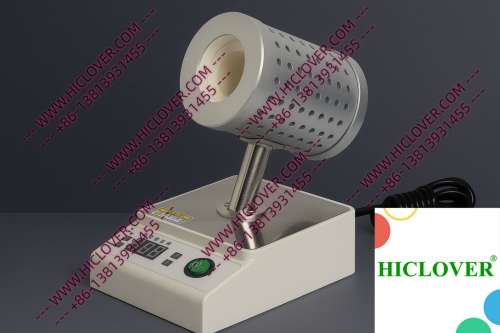
The Micro Incinerator harnesses the power of infrared heat for rapid thermal sterilization. Unlike traditional flame sterilizers—such as alcohol lamps and Bunsen burners—this device features a specialized enclosed ceramic tube which generates high temperatures for effective disinfection. The benefits of this design are evident:
- Aerosol-free handling: Eliminates the risks associated with open flames and airborne pathogens.
- Consistent temperature control: Infrared technology allows for precise thermal management, ensuring full sterility.
- Fast sterilization cycles: Achieve disinfection quickly without compromising safety or efficacy.
By integrating these features, the Micro Incinerator not only meets but exceeds many laboratory sterilization workflow demands.
Applications in the Laboratory Environment
Biosafety Cabinets
In BSL-2 and BSL-3 microbiology labs, the protocol for sterilization must align with the heightened risks of working with pathogenic organisms. The Micro Incinerator provides a dependable tool for sterilizing inoculating loops, needles, and other essential instruments within a biosafety cabinet. Operators can perform their tasks while maintaining the sterile environment, effectively mitigating risks of cross-contamination.
Teaching Labs
In university laboratories, especially during hands-on microbiology courses, the Micro Incinerator enhances educational experiences while ensuring student safety. With its ability to provide consistent sterilization without smoke, fire hazards, or excessive clean-up, students can focus on learning. Instructors can demonstrate sterilization techniques efficiently while adhering to the best practices in safety and compliance.
Compliance and Environmental Considerations
Compliance with biosafety and lab sterilization standards is crucial. The World Health Organization (WHO) sets forth detailed guidelines on laboratory safety, emphasizing the importance of maintaining sterile conditions and minimizing contamination risks. Here’s how the Micro Incinerator aligns with these directives:
- Advises on non-flame sterilization in clean room environments — no open flames are present, which can compromise aerosol-free handling.
- Facilitates compliance with guidelines outlined in ISO 15189 and CLIA, focusing on maintaining the integrity and sterility of clinical diagnostics.
Ultimately, adopting modern sterilization equipment such as the Micro Incinerator not only fosters an environment of safety but also adheres to rigorous compliance requirements essential in today’s laboratory settings.
Comparison of Sterilization Methods
| Feature | Micro Incinerator | Flame Burner |
|---|---|---|
| Sterilization Time | Rapid (seconds) | Varies (up to minutes) |
| Aerosol Production | None | Higher risk due to flames |
| Safety | High (closed design) | Moderate (fire hazard) |
| Energy Efficiency | Highly efficient | Lower efficiency |
Frequently Asked Questions (FAQs)
- What is the main advantage of using a Micro Incinerator over a traditional flame sterilizer?
The Micro Incinerator offers rapid thermal sterilization without the risks associated with open flames, such as aerosol generation and contamination. - How does the Micro Incinerator ensure compliance with WHO guidelines?
Its design prohibits open flames, helping to maintain a clean air environment and adheres to laboratory sterilization standards. - Are there specific types of labs that benefit the most from using a Micro Incinerator?
Yes, especially BSL-2 and BSL-3 microbiology labs, clinical diagnostics environments, and academic teaching laboratories. - Can the Micro Incinerator be used for mobile or field testing labs?
Absolutely! Its compact design and rapid sterilization capabilities make it an excellent choice for field applications. - How easy is it to operate a Micro Incinerator?
It is designed for user-friendly operation requiring minimal training, enabling quick adaptation by laboratory personnel.
Conclusion
In conclusion, enhancing laboratory safety through effective sterilization practices is more critical than ever, especially with the increasing demands on laboratory environments. The Micro Incinerator or Infrared Inoculating Loop Sterilizer exemplifies a modern solution that not only meets but surpasses conventional sterilization needs. By integrating this state-of-the-art equipment into your laboratory protocol, you elevate the standards of safety, compliance, and efficiency. For more information or to discuss purchasing options, please don’t hesitate to reach out.
Categories:
Tags: