
Laboratories, whether academic or industrial, face urgent biosafety challenges that can compromise research integrity and personnel safety. With the increasing focus on contamination control, efficient sterilization workflows are paramount. This is where advanced laboratory sterilization equipment like the Micro Incinerator or Infrared Inoculating Loop Sterilizer plays a critical role. In this article, we will explore the technical principles, applications, and compliance related to these innovative sterilizers, specifically in relation to Orlando’s laboratory environment.
Understanding the Technical Principles of Micro Incinerators
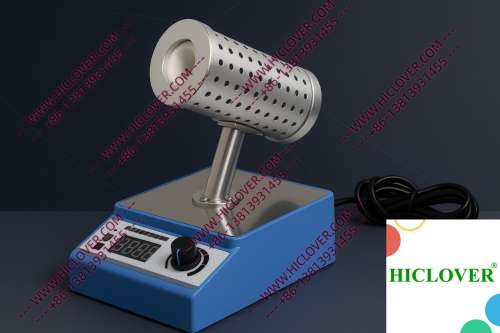
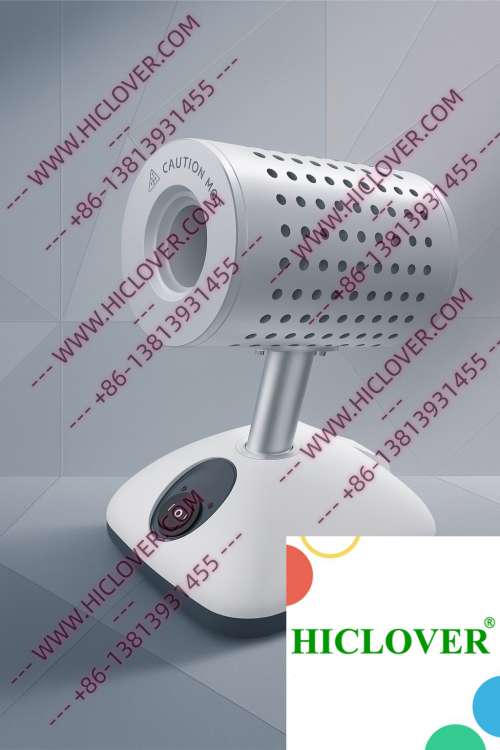
The Micro Incinerator operates on the principle of rapid thermal sterilization through infrared heat. Unlike traditional flame sterilizers, which use open flames and can pose significant safety hazards, this device utilizes an enclosed ceramic heating chamber. This configuration allows for precise temperature regulation, typically reaching over 800°C, effectively eliminating microbial contamination without generating aerosols. As a clean-bench-safe tool, it is perfectly suited for both BSL-2 and BSL-3 microbiology labs.
By employing an infrared high-temperature disinfection method, the Micro Incinerator ensures:
- Instantaneous sterilization with minimal risk of cross-contamination.
- No volatile fumes, making it safer for laboratory personnel.
- Reduced chemical residues, an essential consideration in sensitive environments.
Applications of Micro Incinerator in Various Laboratory Settings
Micro Incinerators prove versatile across several laboratory settings in Orlando, enhancing sterilization workflows in unique ways:
1. Biosafety Cabinets
In BSL-2 and BSL-3 labs, where handling pathogenic microbes is routine, the Micro Incinerator offers a safe and efficient means of sterilizing inoculating loops and other tools. Positioned inside a biosafety cabinet, it facilitates a controlled environment where personnel can quickly sterilize instruments without risking contamination from an open flame. This sterilizer’s rapid response time ensures tools are always readily available, improving lab efficiency and minimizing downtime.
2. University Teaching Labs
In educational settings, particularly in university teaching labs, the Micro Incinerator serves as an excellent teaching tool in microbiology courses. Students can learn about sterilization techniques while using a device that minimizes the risks associated with traditional burners. Its portability makes it suited for demonstrations and classroom settings, illustrating critical safety principles in scientific practices.
Compliance and Environmental Considerations
In the realm of laboratory safety, compliance with international biosafety standards is non-negotiable. The World Health Organization (WHO) outlines comprehensive biosafety guidelines, which emphasize the need for efficient sterilization methods to mitigate contamination risks. Many laboratories are mandated to follow strict sterilization standards to ensure the safety of biomedical research and health diagnostics. The Micro Incinerator, being non-flame based, is compliant with regulations requiring no open flames in clean rooms or high-security labs. This is particularly important in facilities that house CO₂ incubators or anaerobic chambers, where sterile conditions are essential.
Comparison: Micro Incinerator vs. Traditional Flame Burners
| Feature | Micro Incinerator | Traditional Flame Burners |
|---|---|---|
| Safety | No open flame, reduced risk of fire | Open flame, higher fire risk |
| Efficiency | Instantaneous high-temperature disinfection | Slower startup and potentially inconsistent heat |
| Contamination Control | Aerosol-free handling | Higher risk of aerosolized contaminants |
| Ease of Use | Simple operation with quick sterilization cycles | Requires user skill and attention |
Frequently Asked Questions
What specific types of laboratories benefit from using a Micro Incinerator?
Biosafety and microbiology labs are the primary users. However, university teaching labs and field testing locations also find it beneficial due to its portability and safety features.
How does the Micro Incinerator compare to an alcohol lamp?
While alcohol lamps can be effective, they pose a higher risk of fire and can introduce volatile contaminants into the environment. The Micro Incinerator provides a safer, more efficient alternative.
Is the Micro Incinerator easy to maintain?
Yes, it requires minimal maintenance, mainly focused on the heating element and ensuring the ceramic tube remains free of debris.
Can the Micro Incinerator be used in a mobile or field testing lab?
Absolutely, its lightweight and compact design make it ideal for mobile lab environments, allowing for effective sterilization on-site.
What are the environmental benefits of using a Micro Incinerator?
By using a non-flame sterilizer, laboratories reduce carbon emissions associated with burning fuels and create a safer environment by eliminating combustible materials.
Conclusion
Investing in a Micro Incinerator / Infrared Inoculating Loop Sterilizer is a crucial step towards enhancing laboratory safety and compliance. With advanced sterilization capabilities that surpass traditional methods, laboratories in Orlando can ensure the highest standards of biosafety while streamlining workflows. For more information on obtaining this critical sterilization equipment, please don’t hesitate to reach out. Your commitment to safety and efficiency starts with the right tools!
Categories:
Tags: