
Laboratory safety is a critical concern in various sectors, including healthcare, academic research, and biotechnology. One of the paramount challenges faced by laboratory personnel is maintaining a contamination-free environment while conducting experiments. Standard sterilization methods, such as traditional flame burners, often present risks related to flame exposure and ineffective sterilization in certain contexts. In Chengdu, the integration of advanced sterilization equipment such as the Micro Incinerator/Infrared Inoculating Loop Sterilizer is revolutionizing laboratory protocols, particularly within biosafety cabinets.
Understanding the Micro Incinerator: Design and Technical Principles
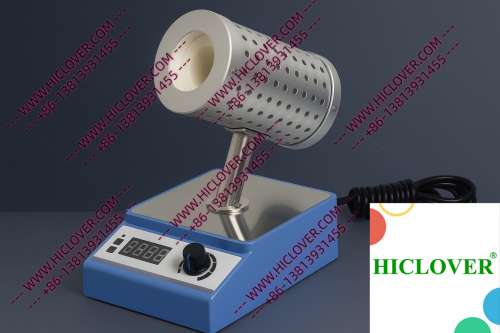
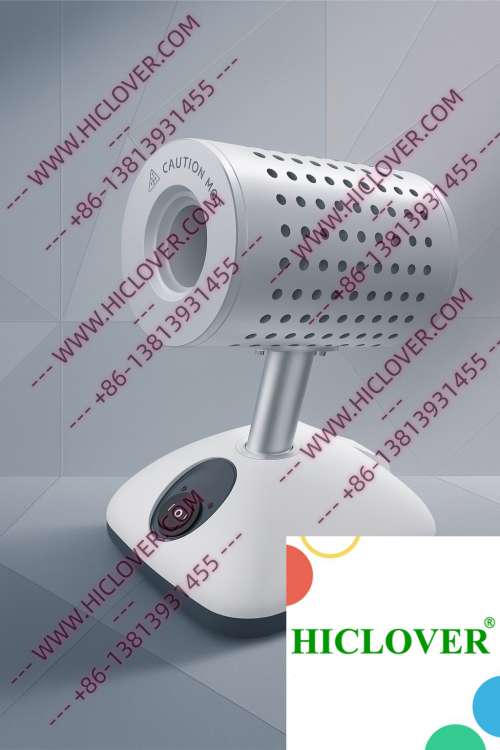
The Micro Incinerator operates on the principle of rapid thermal sterilization through infrared heat. This innovative equipment uses a ceramic heating chamber that achieves high temperatures in moments, providing an efficient and clean method for sterilizing inoculating loops, needles, and other small laboratory items. Unlike traditional flame sterilizers, which can emit aerosols and potentially promote contamination, the enclosed ceramic tube of the Micro Incinerator prevents exposure to open flames, allowing for a cleaner and safer workflow.
Key features of the Micro Incinerator include:
- Infrared Heat Technology: Provides instant sterilization without the risk of spills or burning.
- Compact Design: Fits effortlessly into any laboratory setup, particularly within biosafety cabinets.
- Energy Efficiency: Reduces electricity consumption while delivering effective sterilization.
- Long Lifespan: Built with durable materials designed for frequent usage and minimal maintenance.
Applications of the Micro Incinerator in Various Laboratory Environments
The versatility of the Micro Incinerator allows it to meet the demands of various laboratory environments effectively. Here are two real-world applications:
1. Biosafety Cabinets in BSL-2/BLS-3 Laboratories
In BSL-2 and BSL-3 labs, maintaining a controlled environment is essential for handling pathogens. Utilizing the Micro Incinerator within biosafety cabinets not only enhances sterilization efficacy but also minimizes the risk of exposure to hazardous materials. Its flame-free operation prevents the disturbances of other experiments inside the biosafety cabinet, allowing researchers to perform their tasks confidently.
2. University Teaching Laboratories
In academic settings, teaching laboratory protocols can often involve the use of live pathogens or genetically modified organisms. The Micro Incinerator serves as a safe and educational tool for students learning about microbial techniques. By using infrared sterilization in a controlled environment, students are introduced to cutting-edge technologies while ensuring that biohazard protocols are met with the utmost safety.
Regulatory Compliance and Environmental Considerations
Adhering to biosafety regulations is critical in any laboratory operation. The World Health Organization (WHO) and various national health agencies provide guidelines for laboratory safety and biocontainment. The Micro Incinerator aligns with these compliance standards through its efficient sterilization capabilities. Unlike traditional flame sterilizers, which can introduce risk factors such as flame ignition in clean rooms, the Micro Incinerator offers a safer alternative, making it suitable for controlled environments where cleanliness is paramount.
Moreover, its environmental impact is considerably lower than traditional methods, as it does not produce waste heat or ongoing ventilation issues associated with flames, making it ideal for sustainable laboratory operations.
Micro Incinerator vs. Traditional Flame Burners: A Comparison
| Feature | Micro Incinerator | Traditional Flame Burners |
|---|---|---|
| Heat Source | Infrared | Open Flame |
| Safety | Flame-free, minimal risk of burns | Risk of burns and contamination |
| Speed of Sterilization | Instant | Varies |
| Aerosol-Free Handling | Yes | No |
| Compliance with Clean Room Standards | Yes | No |
Frequently Asked Questions
1. What types of items can I sterilize with the Micro Incinerator?
The Micro Incinerator is designed to efficiently sterilize inoculating loops, needles, and small lab instruments used in various microbiological applications.
2. Is the Micro Incinerator suitable for field testing?
Yes! The compact design and portability of the Micro Incinerator make it ideal for field testing applications where immediate sterilization is required.
3. How does the Micro Incinerator help in maintaining laboratory compliance?
The flame-free sterilization method enhances safety, minimizes contamination risks, and aids adherence to WHO biosafety standards in laboratory operations.
4. How energy-efficient is the Micro Incinerator compared to flame sterilizers?
The Micro Incinerator significantly reduces energy consumption as it heats up rapidly and retains heat, leading to lower operational costs over time.
5. Can I use the Micro Incinerator in a cleanroom environment?
Absolutely! The Micro Incinerator is designed for use in cleanroom environments, complying with stringent contamination control measures.
Conclusion
Enhancing laboratory safety and efficiency is paramount for any research and clinical institution. The adoption of the Micro Incinerator/Infrared Inoculating Loop Sterilizer in Chengdu’s laboratories epitomizes the shift towards safer and more efficient sterilization methods. If you are in search of high-quality sterilization equipment that meets contemporary laboratory demands and compliance standards, we invite you to explore our range of products and contact us for more information. Together, let’s create safer laboratories for a better future!
Categories:
Tags: