
In the ever-evolving landscape of laboratory biosafety, Mozambique’s hospitals are facing pressing challenges that require robust solutions. With the increased demand for superior sterilization practices, traditional methods seem inadequate. The introduction of loop sterilizers, particularly the Micro Incinerator / Infrared Inoculating Loop Sterilizer, offers a promising alternative to enhance both workflow and compliance with health standards.
Laboratory Biosafety Challenges
The primary challenges encountered in laboratory environments—especially in medical facilities—include contamination control, sterilization inefficiencies, and the risks associated with open flames. Conventional flame sterilizers like alcohol lamps and Bunsen burners pose serious safety hazards, especially in clean rooms and modern laboratories where airborne contaminants must be minimized.
Technical Principles of Infrared Loop Sterilizers
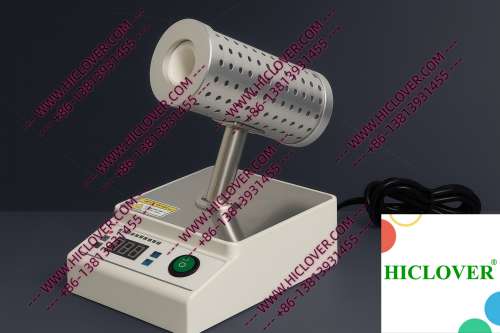
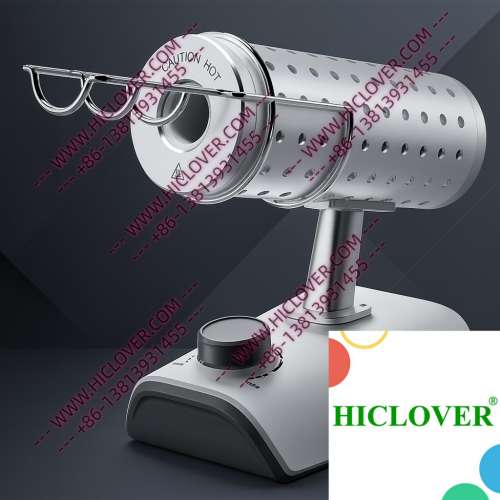
The Micro Incinerator operates on the principle of rapid thermal sterilization using infrared heat. This sterilizer features a compact, enclosed ceramic heating chamber that reaches high temperatures efficiently, enabling the swift destruction of microbial life along inoculating loops, needles, and similar implements. The infrared technology provides a uniform heat distribution, drastically reducing the time needed for the sterilization process while ensuring that the risk of aerosol transmission is minimized.
Application Scenarios
To truly appreciate the impact of Micro Incinerators, let’s consider two real-world application scenarios:
- Biosafety Cabinet Usage: In BSL-2 and BSL-3 microbiology labs, the integration of the Micro Incinerator within biosafety cabinets allows for a clean and safe approach to sterilizing instruments without introducing flames that could compromise the sterile environment. This implementation not only protects laboratory personnel but also prevents cross-contamination of samples.
- Field Testing Operations: When conducting mobile field tests, researchers often work in challenging environments where traditional sterilization methods may be impractical. The Micro Incinerator’s portability and efficient heat generation ensure that microbial samples can be quickly prepared for analysis, even in remote locations without access to electricity, as some models are designed to operate off batteries or generators.
Compliance with Health Standards
Conforming to WHO biosafety guidelines and laboratory sterilization standards is crucial for maintaining health in laboratory settings. The Micro Incinerator stands out as a preferred choice for clean rooms as it eliminates the need for open flames, which can disrupt airflow and introduce contaminants. Its design aligns with biosafety best practices, helping laboratories achieve compliance with international standards.
Advantages Over Traditional Flame Sterilizers
When comparing the Micro Incinerator with traditional flame sterilizers, several advantages emerge:
| Feature | Micro Incinerator | Flame Sterilizer |
|---|---|---|
| Safety | No open flame; lower risk of fire | Open flame; risk of burns and fire hazards |
| Efficiency | Rapid thermal sterilization | Longer sterilization time |
| Portability | Lightweight and battery-operated models available | Requires stable platform and gas sources |
| Heat Distribution | Uniform infrared heat | Variable flame strength |
FAQs about Micro Incinerators
- What applications can benefit from using a Micro Incinerator?
The Micro Incinerator is ideal for microbiology labs, hospital settings, clinical diagnostics, and mobile field testing—making it versatile across various laboratory environments.
- Is the Micro Incinerator compliant with international safety standards?
Yes, it adheres to WHO biosafety standards and meets laboratory sterilization regulations, ensuring safe and efficient operation.
- How does the Micro Incinerator improve workflow in a laboratory?
By providing rapid sterilization without the risks of open flames, it enhances the efficiency of operations, allowing technicians to maintain focus on critical tasks.
- Can the Micro Incinerator be used in clean rooms?
Absolutely! Its design is clean-bench-safe, making it ideal for environments where airborne contaminants must be controlled.
- What is the average sterilization time required?
The Micro Incinerator sterilizes instruments in a matter of seconds, significantly faster than traditional flame methods.
Conclusion
The introduction of Micro Incinerators in Mozambique’s hospitals represents a critical step toward enhancing medical standards and ensuring laboratory biosafety. As hospitals upgrade their sterilization methods, the incorporation of these advanced sterilizers will address safety concerns, improve workflow efficiency, and ensure compliance with national and international health standards. For laboratories looking to elevate their sterilization practices, now is the perfect time to consider acquiring Micro Incinerators. Contact us today to learn more about our offerings or to place an order.
Categories:
Tags: