
In today’s laboratory environment, ensuring biosafety and meeting sterilization workflow demands are paramount. Healthcare facilities frequently grapple with contamination control, particularly within microbiology labs, clinical diagnostics, and educational institutions. The introduction of advanced sterilization technologies, such as the Micro Incinerator or Infrared Inoculating Loop Sterilizer, provides a breakthrough solution to these ongoing challenges.
The Technical Principles Behind Micro Incinerators
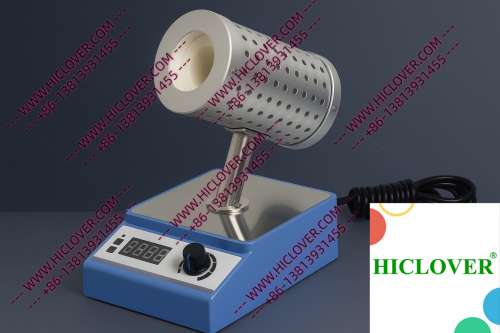
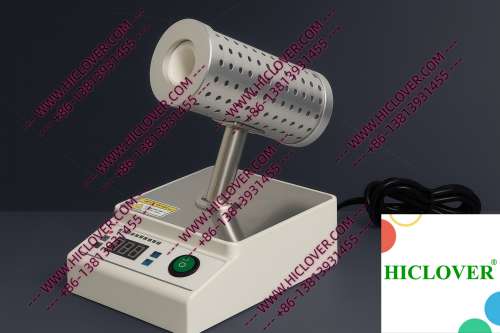
The Micro Incinerator operates using a rapid thermal sterilization process, harnessing the power of infrared heat. This method generates heat within a ceramic heating chamber, effectively achieving high-temperatures required for complete disinfection. Unlike traditional flame sterilizers, which may introduce risks such as aerosols and burns, the enclosed design of the Micro Incinerator ensures a clean-bench-safe environment.
Key Configuration Features
- Infrared Technology: Provides precise and rapid heating, reducing wait times between applications.
- Enclosed Ceramic Tube: Limits contamination and enhances safety.
- Easy-to-Use Interface: Designed for user-friendliness, especially vital in high-traffic lab environments.
- Portability: Suitable for both laboratory and field research applications.
- Eliminating the need for open flames in clean rooms, thereby reducing the risk of fire and contamination.
- Meeting sterilization benchmarks outlined by the Centers for Disease Control and Prevention (CDC).
- Conforming to environmental standards by minimizing harmful emissions through a flameless sterilization process.
Applications of Micro Incinerators in Real Labs
The utility of the Micro Incinerator extends across various applications, demonstrating its adaptability. Here are some scenarios where these sterilization systems shine:
1. Biosafety Cabinet Operations
Within a BSL-2 or BSL-3 microbiology lab, researchers are tasked with maintaining a sterile workspace. Using the Micro Incinerator in conjunction with biosafety cabinets allows for immediate sterilization of inoculating loops and other instruments without the risk of flame interference. This integration promotes a more efficient workflow while ensuring compliance with stringent safety standards.
2. Teaching Labs in University Settings
In academic environments, hands-on teaching is crucial for biology students. The Micro Incinerator provides a safe and reliable method for sterilizing tools during experiments. Its quick operation allows students to focus on learning rather than waiting for traditional flame sterilizers to cool, fostering a more productive educational experience.
Compliance and Environmental Considerations
Compliance with sterilization standards is critical in preserving patient safety and laboratory integrity. Organizations like the World Health Organization (WHO) recommend stringent biosafety protocols for laboratory environments. Micro Incinerators facilitate adherence to these guidelines in several ways:
Comparison with Traditional Flame Sterilizers
| Feature | Micro Incinerator | Flame Sterilizers |
|---|---|---|
| Heating Method | Infrared | Flame |
| Contamination Risk | Minimal | High |
| Safety | Very High | Moderate |
| Operational Efficiency | High | Low |
| Cooling Time | Instant | Long |
FAQs About Micro Incinerators
What is a Micro Incinerator?
A Micro Incinerator is a device designed for rapid thermal sterilization of lab equipment, utilizing infrared heat technology to achieve high temperatures safely and efficiently.
How does the Micro Incinerator improve laboratory workflow?
By providing immediate sterilization without cooling time, the Micro Incinerator allows for uninterrupted laboratory processes and enhances productivity.
Can the Micro Incinerator be used in field testing?
Yes, its portable design makes it an excellent choice for mobile or field testing labs, ensuring safe sterilization in any environment.
What compliance standards does the Micro Incinerator meet?
The Micro Incinerator adheres to WHO biosafety recommendations and U.S. CDC laboratory sterilization standards, ensuring safe operation in clinical and research environments.
Is the Micro Incinerator environmentally friendly?
Yes, it produces minimal emissions due to its flameless operation, contributing to a healthier lab environment.
Conclusion
In the continuous effort to enhance patient safety and improve laboratory workflows, investing in advanced sterilization systems like the Micro Incinerator is crucial. With superior features and compliance with international safety standards, this technology stands out as a reliable solution for hospitals and research centers alike. For further information or to discuss procurement, please do not hesitate to contact us.
Categories:
Tags: