
In today’s evolving laboratory environment, strict biosafety challenges and pressing sterilization workflow demands pose significant hurdles for medical professionals. The quest for reliable lab sterilization equipment has led to the adoption of advanced technologies that not only meet regulatory standards but also enhance operational efficiency. Among these innovations, the Micro Incinerator / Infrared Inoculating Loop Sterilizer emerges as a crucial tool in ensuring the safety and efficacy of laboratory practices in Singapore’s medical facilities.
Understanding the Technology: Infrared Heat in Micro Incinerators
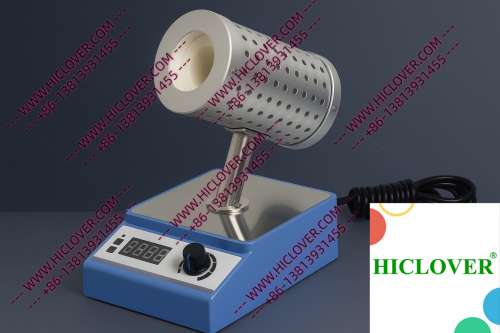
The Micro Incinerator operates on the principle of rapid thermal sterilization, utilizing infrared heat to achieve high temperatures necessary for effective disinfection. This sophisticated device features a sealed ceramic tube within its design, which serves as a heating chamber. When activated, the infrared technology generates focused heat that efficiently disinfects inoculating loops and other lab tools in a matter of seconds. This method not only improves sterilization speed but also ensures a clean-bench-safe workflow that minimizes the risk of contamination.
Applications in Real Laboratories
To illustrate the practical utility of Micro Incinerators, let’s explore two typical lab scenarios:
- Biosafety Cabinets: In BSL-2 and BSL-3 laboratories, where pathogenic microbes are handled, maintaining a sterile environment is paramount. Micro Incinerators fit seamlessly into biosafety cabinets, allowing for immediate and effective sterilization of loops after use, thus preventing cross-contamination.
- Teaching Laboratories: University teaching labs, which often work with students new to microbiological practices, benefit greatly from user-friendly sterilization options. The ease of using a Micro Incinerator versus traditional flame sterilizers enhances learning, while also ensuring student safety.
Compliance and Environmental Considerations
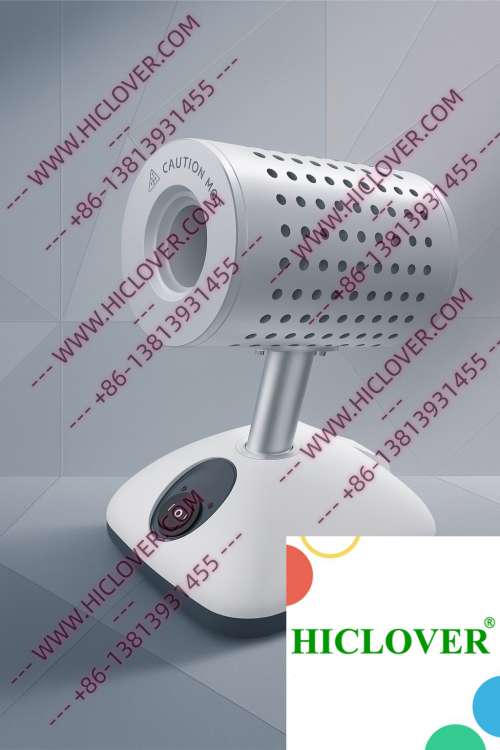
In Singapore and globally, strict compliance with laboratory safety standards is critical to maintaining high levels of patient safety. The World Health Organization (WHO) emphasizes the importance of proper sterilization techniques to mitigate infection risks. Many traditional methods, such as the use of alcohol lamps and Bunsen burners, generate flames and aerosols, which are not suitable in clean room environments where contamination control is paramount. Micro Incinerators, with their enclosed design and absence of an open flame, fulfill essential safety regulations while providing efficient sterilization.
Advantages of Micro Incinerators Over Traditional Flame Sterilizers
When comparing Micro Incinerators to traditional flame burners, several key advantages become apparent:
| Feature | Micro Incinerator | Flame Burners |
|---|---|---|
| Heat Source | Infrared ceramic heating | Open flame |
| Speed of Sterilization | Seconds | Varies |
| Air Quality | Aerosol-free handling | Produces fumes and aerosols |
| Risk of Fire | Minimal | High |
Frequently Asked Questions (FAQs)
1. What is the sterilization capacity of a Micro Incinerator?
The average sterilization capacity can range from 200 to 300 loops per hour, making them exceptionally efficient for high-throughput environments.
2. How does the Micro Incinerator enhance safety in teaching labs?
By eliminating the risk associated with open flames, it provides a safer environment for students, reducing the chances of accidental burns or fires.
3. What maintenance is required for a Micro Incinerator?
Regular cleaning of the ceramic tube and ensuring it is free of residues are essential for maintaining optimal performance.
4. Is it compliant with WHO biosafety standards?
Yes, Micro Incinerators meet various biosafety regulations, providing a reliable option for maintaining sterility in different lab settings.
5. Can the Micro Incinerator be used in mobile testing labs?
Absolutely! Its lightweight design and portability make it an excellent choice for field tests, ensuring sterilization is accessible on the go.
Conclusion
In conclusion, the adoption of Micro Incinerators in Singapore’s medical facilities signifies an important step towards enhancing patient safety and improving laboratory workflows. Not only do they comply with the highest sterilization standards, but they also provide a safe and efficient solution for scientists and clinicians alike. If you are a laboratory supply distributor, hospital, or research institution looking to improve your sterilization processes, consider integrating the Micro Incinerator into your operations. For more information on procurement or product inquiries, reach out to us today!
Categories:
Tags: