
In the rapidly evolving landscape of laboratory biosafety, hospitals in China face significant challenges related to contamination control and sterilization workflows. The need for efficient, reliable sterilization equipment is paramount to prevent infection and ensure patient safety. Traditional flame sterilizers, though widely used, pose risks such as open flames, aerosols, and compromised sterile environments. In response, innovative solutions like the Micro Incinerator/Infrared Inoculating Loop Sterilizer are changing the paradigm of laboratory sterilization.
The Technical Principles Behind Infrared Sterilization
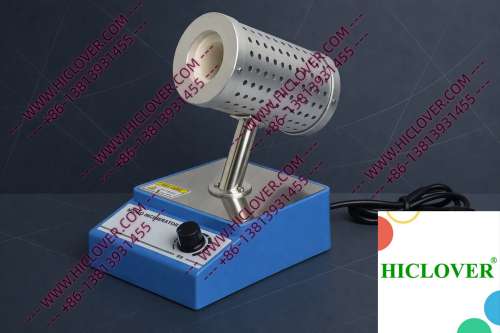
The Micro Incinerator utilizes a unique configuration involving an enclosed ceramic heating chamber that provides rapid thermal sterilization. Unlike traditional flame-based methods, which can introduce environmental contaminants and require constant monitoring, the infrared loop sterilizer offers a clean-bench-safe solution. This equipment operates using infrared heat to achieve high-temperature disinfection without the harmful byproducts associated with combustion. The precise control over temperature ensures effective sterilization while minimizing the risk of overheating and damaging sensitive equipment.
Applications in Real Laboratory Settings
The versatility of the Micro Incinerator is evident in various laboratory environments. Here are two significant application scenarios:
- Biosafety Cabinet Situations: In BSL-2 and BSL-3 microbiology labs, the Micro Incinerator is essential for maintaining stringent biosafety protocols. Its enclosed design allows for sterile inoculation and sample processing, particularly when dealing with pathogenic organisms. The absence of an open flame reduces the likelihood of accidental ignition, safeguarding both the researchers and the samples.
- Field Testing Labs: Mobile or field testing labs benefit greatly from the portability and efficiency of the Micro Incinerator. Researchers conducting environmental sampling can quickly sterilize inoculation loops on-site, ensuring contamination-free results. This real-time application aids in maintaining the integrity of samples collected in diverse settings.
- Meets WHO biosafety standards for microbial work.
- Provides an aerosol-free handling environment.
- Ensures safe operation in cleanrooms, critical for clinical diagnostics and research.
Compliance and Environmental Considerations
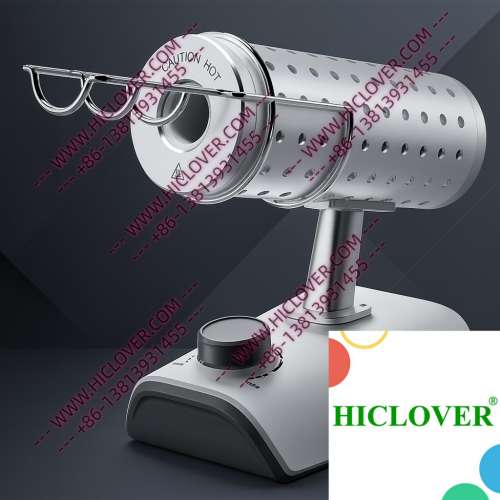
Adhering to compliance and safety regulations is a critical aspect of laboratory operations. The World Health Organization (WHO) has established stringent biosafety guidelines that laboratories must follow to ensure safe handling of biological materials. In addition, many countries, including China, have set lab sterilization standards that emphasize the importance of no open flames in cleanroom environments. The Micro Incinerator satisfies these demands efficiently:
Key Compliance Benefits of the Micro Incinerator:
Comparison: Micro Incinerator vs. Traditional Flame Burners
| Feature | Micro Incinerator | Flame Burners |
|---|---|---|
| Sterilization Method | Infrared Heat | Open Flame |
| Contamination Risk | Minimal | High (Aerosols) |
| Sparking Hazard | No | Yes |
| Heating Efficiency | Rapid | Variable |
| Ease of Use | User-friendly | Requires training |
FAQs About Micro Incinerators
1. What are the main advantages of using a Micro Incinerator over traditional sterilizers?
The Micro Incinerator offers rapid thermal sterilization, reduced contamination risks, and safe operation without an open flame, making it ideal for cleanroom and biosafety applications.
2. How does infrared heat sterilization work?
Infrared heat sterilization works by generating high temperatures quickly within an enclosed ceramic chamber, effectively sterilizing inoculation loops and other tools without the risk of combustion.
3. Is the Micro Incinerator suitable for field applications?
Yes, the Micro Incinerator’s compact design and portability make it an excellent choice for field testing labs, ensuring reliable sterilization in diverse environments.
4. What safety standards should laboratories consider when choosing sterilization equipment?
Laboratories should adhere to WHO guidelines, local biosafety regulations, and specific sterilization standards that prohibit open flames in sensitive areas like cleanrooms.
5. Can the Micro Incinerator be used in educational settings?
Absolutely, it’s an ideal tool for university teaching labs, offering a safe and efficient way to demonstrate sterilization techniques without risks associated with flame-based equipment.
Conclusion: Transforming Laboratory Sterilization in China
As the demand for enhanced patient safety and effective laboratory workflows continues to rise, the adoption of technologies like the Micro Incinerator/Infrared Inoculating Loop Sterilizer stands out as a crucial advancement in China’s hospitals and laboratories. By eliminating the risks associated with traditional flame sterilizers while conforming to rigorous biosafety standards, this innovative equipment not only bolsters effective sterilization practices but also promotes a safer working environment for researchers and healthcare professionals alike.
For more information or to explore purchasing options for the Micro Incinerator, reach out to our team today!
Categories:
Tags: