
In today’s laboratory environments, especially in Portugal’s research and clinical sectors, the necessity for effective sterilization methods cannot be overstated. As the demand for efficient biosafety solutions grows, laboratories are increasingly confronted with challenges such as contamination control and workflow efficiency. Traditional flame sterilizers, while widely used, pose their own set of risks—including fire hazards and the inability to operate in sterile environments, such as within biosafety cabinets. This creates a pressing need for innovative sterilization solutions like the Micro Incinerator / Infrared Inoculating Loop Sterilizer.
Technical Principles of the Micro Incinerator
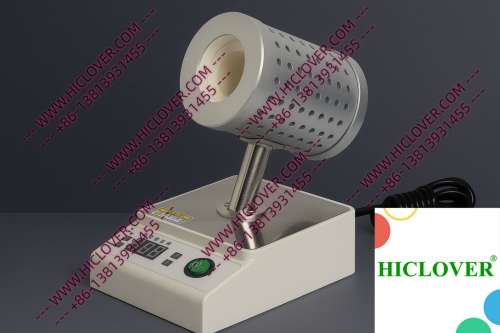
The Micro Incinerator employs an advanced infrared heating mechanism, which significantly improves the sterilization process. Unlike conventional flame-based methods, the infrared high-temperature disinfection mechanism utilizes a contained ceramic tube that is capable of reaching rapid thermal sterilization temperatures. This design not only enhances safety but also ensures a more effective and consistent sterilization process.
Applications in Laboratory Settings
- Biosafety Cabinets: In laboratory settings where contamination control is crucial, the Micro Incinerator can be integrated seamlessly within biosafety cabinets. This allows technicians to sterilize inoculating loops without exposing them to open flames, preventing potential contamination of delicate cultures and harmful bioaerosols.
- Field Testing Laboratories: For mobile laboratories conducting field tests, the portability of the Micro Incinerator offers a significant advantage. Researchers can sterilize equipment on-site, ensuring that their samples remain uncontaminated during transportation and analysis.
- University Teaching Labs: Educational institutions across Portugal are adopting modern teaching methods. The Micro Incinerator provides a safe and efficient alternative for teaching students proper sterilization techniques without the complexities and risks associated with traditional flame sterilizers.
Compliance and Environmental Considerations
When it comes to laboratory sterilization, compliance with international guidelines such as those from the World Health Organization (WHO) is paramount. Laboratories must adhere to biosafety standards that minimize risks to personnel and the environment. The Micro Incinerator meets these standards by providing a no-flame solution, making it an ideal choice for clean rooms and sensitive research areas.
Moreover, some laboratories may implement flame-based sterilization methods, such as alcohol lamps and Bunsen burners, which might be non-compliant in clean scenarios. The Micro Incinerator, being designed for aerosol-free handling, significantly reduces the risk of contamination, ensuring a safer work environment aligned with best practices in biosafety.
Comparison: Micro Incinerator vs. Traditional Flame Sterilizers
| Feature | Micro Incinerator | Flame Sterilizers |
|---|---|---|
| Safety | Non-flammable, no open flames | Fire hazards, requires caution |
| Efficiency | Rapid thermal sterilization | Slower, dependent on flame conditions |
| Usability in Clean Rooms | Compatible | Not recommended |
| Temperature Control | Precise control via infrared | Difficult to control |
| Mobility | Portable and light | Less portable |
Frequently Asked Questions (FAQs)
What is the main advantage of using the Micro Incinerator?
The primary benefit of the Micro Incinerator is its ability to provide safe, efficient sterilization without the risks associated with open flames, enhancing biosafety across various laboratory applications.
Can the Micro Incinerator be used in a BSL-3 laboratory?
Yes, the Micro Incinerator can be utilized in BSL-3 laboratories, as it meets stringent safety and compliance standards, allowing for sterilization within sensitive environments.
How does the sterilization speed of the Micro Incinerator compare to traditional methods?
The Micro Incinerator offers rapid thermal sterilization, typically achieving sterilization within seconds, whereas traditional flame sterilizers can take longer and are less efficient.
Is the Micro Incinerator suitable for field testing?
Absolutely. Its portable design makes it an excellent choice for field testing labs, enabling researchers to safely sterilize equipment on-site.
What maintenance is required for the Micro Incinerator?
Regular cleaning of the ceramic heating chamber is recommended, along with periodic checks of electrical components to ensure optimal performance.
Conclusion
In summary, the introduction of the Micro Incinerator / Infrared Inoculating Loop Sterilizer marks a significant advancement in laboratory sterilization practices in Portugal. Its ability to enhance patient safety through efficient, flame-free sterilization solutions addresses critical biosafety challenges faced by laboratories today. By adopting this modern equipment, you can enhance workflow efficiencies in your laboratory environment. For those considering upgrading their sterilization methods, we invite you to explore the Micro Incinerator further. Contact us for detailed specifications and purchasing options to improve your laboratory’s safety and efficiency.
Categories:
Tags: